Lithium batteries are increasingly popular in today’s market. Their efficiency and performance are highly sought after. Dr. Emily Turner, an industry expert at BatteryTech, notes, “The advantages of lithium batteries are transformative for consumers and industries alike.” Understanding what are the advantages of lithium batteries helps buyers make informed decisions.
Lithium batteries offer significant benefits. They are lighter and have a higher energy density compared to traditional batteries. This translates into longer usage times for various devices. Additionally, they have a longer lifespan, reducing the need for frequent replacements. However, potential users should consider cost and environmental impact. While lithium batteries are efficient, the extraction process can raise ethical concerns.
The global demand for lithium batteries is rising. Their applications range from smartphones to electric vehicles. As the market evolves, buyers must weigh these advantages against the challenges. Learning about what are the advantages of lithium batteries will empower consumers to choose wisely.
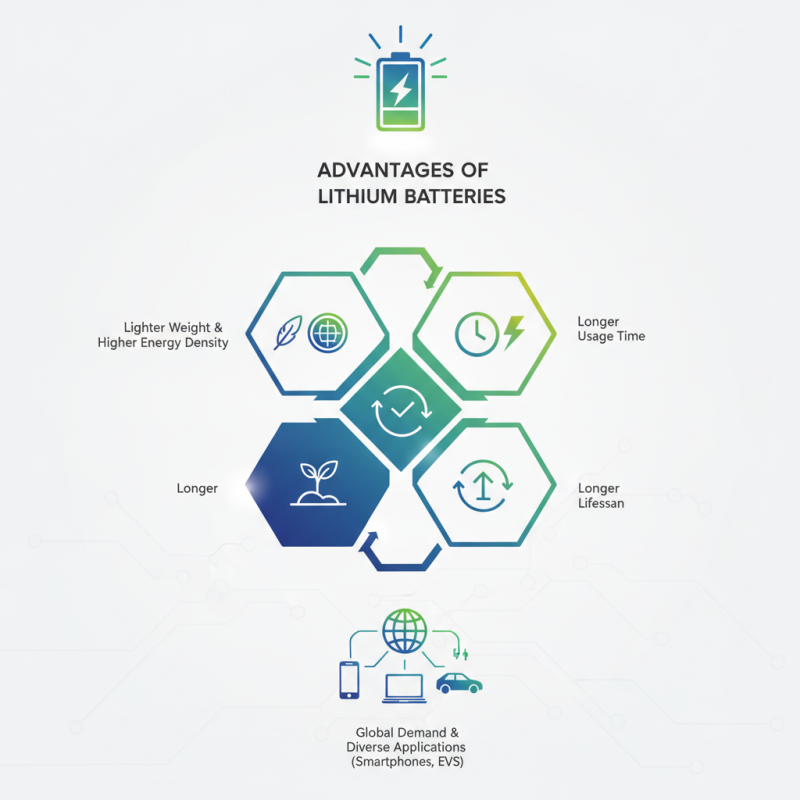
Lithium batteries have become incredibly popular among global buyers. Their lightweight design offers significant advantages for various applications. For instance, they can hold more energy compared to traditional batteries. This feature makes them ideal for electric vehicles, smartphones, and renewable energy storage. Additionally, their longer lifespan reduces the need for frequent replacements, which is both cost-effective and environmentally friendly.
One of the notable benefits is rapid charging. Many lithium batteries can be charged in a fraction of the time that conventional batteries require. This advantage is crucial in today's fast-paced world, where efficiency is key. However, it’s important to note that lithium batteries often require careful handling and management to ensure safety. Improper usage can lead to issues like overheating or reduced performance over time.
Despite these remarkable features, buyers should consider potential drawbacks. For example, lithium extraction can impact local environments and communities. Understanding these challenges is essential for responsible purchasing. Buyers should also evaluate the recycling options available once the batteries reach the end of their life cycle. This awareness fosters informed decision-making and promotes sustainable practices.
The bar chart above highlights the advantages of lithium batteries for global buyers. Key benefits include high energy density, long cycle life, fast charging speed, lightweight nature, and relatively better environmental impact compared to other battery types.
Lithium batteries are known for their high energy density, which is a key advantage for global buyers. Their energy density can reach up to 250 Wh/kg, significantly surpassing traditional lead-acid batteries, which typically offer around 30-50 Wh/kg. This means that lithium batteries can store more energy in a smaller and lighter package, making them ideal for portable electronics and electric vehicles. According to a report by the International Energy Agency, the demand for lithium batteries is projected to grow by more than 20% annually over the next decade.
This high energy density translates into longer usage times and shorter charging periods. For instance, a lithium battery can be charged to 80% capacity in about 30 minutes, compared to several hours for conventional options. However, achieving this efficiency isn't without challenges. The manufacturing process involves complex chemistry and materials, which can lead to variability in performance. Additionally, concerns about recycling and environmental impact need careful consideration.
While the technology is advancing, not all lithium batteries are created equal. Variations in production quality can affect longevity and safety. Buyers must remain aware of these nuances and conduct thorough research. Ensuring that manufacturers adhere to industry standards is crucial, given the rapid market expansion and innovation. Thus, while lithium batteries offer impressive benefits, ongoing scrutiny and understanding are essential for making informed decisions.
Lithium batteries are becoming increasingly popular due to their cost-effectiveness and impressive longevity. They offer a high energy density, meaning they can store more energy in a smaller weight. This feature is particularly critical in applications like electric vehicles and portable electronics, where weight is a significant concern.
Cost-wise, lithium batteries have become more affordable over the years. Manufacturing processes have improved, leading to lower prices. A longer lifecycle also means fewer replacements, reducing overall costs. However, not all lithium batteries perform equally. Variability in quality can affect performance and longevity, creating a need for careful selection.
Overall reliability is a key aspect of lithium batteries. They tend to last longer than traditional batteries, providing consistent performance. However, improper charging and temperature extremes can shorten their lifespan. Users must remain cautious and informed to maximize potential benefits. Understanding these nuances can enhance the experience and effectiveness of lithium battery technology.
| Feature | Description | Value |
|---|---|---|
| Energy Density | High energy density allowing for more power in a smaller size | 150-250 Wh/kg |
| Lifespan | Long cycle life compared to traditional batteries | Up to 2000 cycles |
| Charge Time | Fast charging capability | 1-4 hours |
| Self-Discharge Rate | Low self-discharge rate allows for longer shelf life | 5-10% per month |
| Environmental Impact | Less toxic than lead-acid batteries, more recyclable | Higher recyclability |
| Weight | Lightweight for portable applications | About 50% lighter than equivalent lead-acid batteries |
The environmental impact of lithium production has become a significant concern. The industry has made strides in recent years, but challenges remain. The extraction process can lead to water depletion and soil degradation. Reports indicate that lithium mining in regions like the Salar de Uyuni in Bolivia affects local ecosystems. This has prompted discussions about sustainable practices in production.
Sustainable lithium production focuses on minimizing environmental harm. For example, some companies are exploring direct lithium extraction (DLE) methods. DLE can reduce water usage by up to 90% compared to traditional methods. Moreover, using recycled lithium can lessen the demand for raw extraction. According to the International Energy Agency, recycling could supply 10% of lithium needs by 2030.
While these advancements are promising, the lithium industry must address ethical sourcing. Observations reveal that some mining operations do not adequately consider local communities. Ensuring that the benefits of lithium extraction reach those affected is crucial. Striking a balance between production needs and community rights requires ongoing commitment and oversight.
Lithium batteries are transforming industries. Their versatility makes them suitable for various applications. In the automotive sector, lithium batteries power electric vehicles (EVs) and hybrid cars. Reports from the International Energy Agency indicate that EV sales could exceed 30 million by 2030. This growth significantly relies on lithium-ion technology to provide long-range and rapid charging features.
The consumer electronics industry also benefits greatly from lithium batteries. They are found in smartphones, laptops, and tablets. A 2021 report by Statista predicted that the global lithium battery market would reach $100 billion by 2025. Such numbers reflect the demand for reliable energy sources that offer compact designs and lightweight advantages. However, challenges remain in recycling and sustainability, as the mining of lithium can harm the environment.
Moreover, the energy storage sector is increasingly adopting lithium batteries. They store renewable energy generated from solar and wind. The growing need for energy resilience drives this trend. A study by BloombergNEF forecasts that energy storage capacity could surpass 1,200 GWh by 2040. Despite the promising future of lithium batteries, their supply chain poses issues. It is vital to address ethical sourcing and environmental impact as the industry evolves.
: Lithium batteries are lightweight, energy-dense, and have a longer lifespan. They are ideal for various applications.
Many lithium batteries can reach 80% charge in about 30 minutes. This is much faster than traditional batteries.
Lithium batteries need careful handling. Improper use can lead to overheating or reduced performance over time.
Yes, lithium extraction can impact local environments. It’s crucial to understand these effects for responsible purchasing.
Buyers should evaluate recycling options as the batteries reach the end of their life. This promotes sustainable practices.
Lithium batteries have a much higher energy density than traditional lead-acid batteries, making them more efficient for storage.
Industries like automotive, consumer electronics, and energy storage leverage lithium batteries for their versatility and effectiveness.
Challenges include recycling, environmental impact, and variability in production quality. Buyers must stay informed about these issues.
Conducting thorough research ensures manufacturers adhere to standards, affecting performance and safety in the rapidly evolving market.
Yes, the demand is projected to grow over 20% annually in the next decade, reflecting their increasing adoption across sectors.
Lithium batteries have gained significant attention in recent years, leading many to ask, "what are the advantages of lithium batteries?" First and foremost, their high energy density allows for longer usage times in a compact form, making them ideal for portable electronics and electric vehicles. Additionally, these batteries boast cost-effectiveness and longevity, reducing the need for frequent replacements and overall maintenance costs, thus appealing to global buyers seeking value.
Furthermore, the environmental impact of lithium production has evolved, with a growing emphasis on sustainable practices that minimize ecological harm. This focus on responsible sourcing is crucial for industries aiming to reduce their carbon footprints. Lastly, the versatility of lithium batteries enables their application across various sectors, including automotive, renewable energy, and consumer electronics, underscoring their importance in today's technological landscape.

Volt Power