China Top Battery Chemistries Explained What Makes Them Different?

Time:2026-06-30 Author:Madeline
0%

In recent years, battery technologies have become crucial in various sectors, from consumer electronics to electric vehicles. Understanding what is the difference between battery chemistries is essential for advancements in sustainable energy solutions. As noted by the International Energy Agency, battery demand is projected to grow by over 30% per year, reaching a market value of $100 billion by 2025.

Different battery chemistries, such as lithium-ion, nickel-metal hydride, and solid-state, offer unique advantages and limitations. Lithium-ion batteries dominate the market due to their high energy density and efficiency. However, safety concerns and environmental impacts cannot be ignored. Researchers are exploring alternatives that might provide better stability or lower costs.

Investing in new technologies can lead to significant breakthroughs. Yet, manufacturers must navigate trade-offs. A battery that lasts longer may take longer to charge and vice versa. Thus, the quest for an ideal chemistry continues, highlighting the balance between performance and safety. Understanding these nuances is crucial for stakeholders and innovators in the evolving battery landscape.
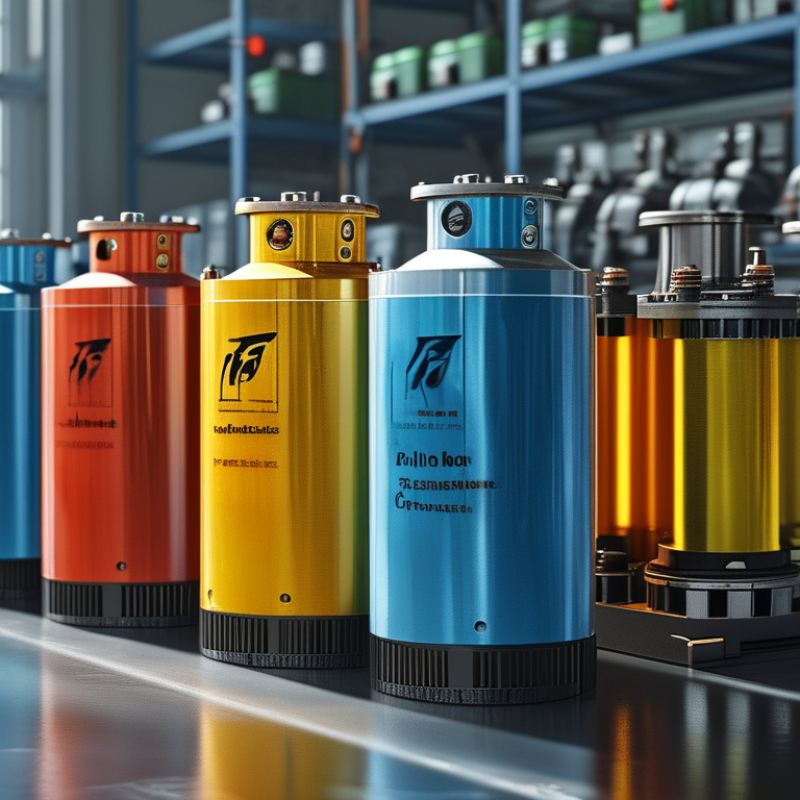
China Top Battery Chemistries Explained What Makes Them Different?

China's Dominance in Battery Technology: An Overview of Major Chemistries

China has solidified its position as a leader in battery technology, primarily due to its diverse battery chemistries. These chemistries include lithium iron phosphate (LiFePO4), nickel manganese cobalt (NMC), and solid-state batteries. Each chemistry has unique features and applications. For example, LiFePO4 is known for its thermal stability and safety but offers lower energy density. In contrast, NMC batteries provide higher energy density and efficiency but can present safety challenges.

Industry reports indicate that China produces over 70% of the world’s lithium batteries. This dominance is attributed to extensive investments in research and development, infrastructure, and manufacturing. The country now specializes in scaling production. It is vital for solar and electric vehicle applications. Analysts predict that the global demand for batteries will exceed 2,500 GWh by 2030, highlighting the essential role of Chinese manufacturers in meeting this demand.

Tip: When considering battery options for projects, assess energy density versus safety. Understanding these trade-offs can lead to better choices tailored to specific needs.

Tip: Stay updated on emerging technologies, such as solid-state batteries. They may revolutionize energy storage with their high voltage and safety features, but they are still in development.

Key Characteristics of Lithium-Ion Batteries in China's Energy Landscape

In China’s energy landscape, lithium-ion batteries dominate as a key technology. They are crucial for renewable energy storage and electric vehicles. These batteries are favored for their high energy density and efficient charging capabilities. However, they are not without downsides. The environmental impact of battery production is concerning. Additionally, the raw materials can be scarce, raising questions about sustainability.

Tips: When considering battery technology, assess the sourcing of materials. Look for companies that emphasize recycling and reuse.

Another important characteristic is their performance in various temperatures. While lithium-ion batteries perform well in moderate conditions, extreme heat or cold can reduce efficiency. This variability can impact applications like electric vehicles, especially in diverse climates.

Tips: Always check the temperature ratings when selecting a battery for specific applications. Ensure it aligns with local environmental conditions.

Designing for longevity is another aspect of battery technology. Aging can decrease performance, leading to frequent replacements. This is both a cost and resource issue. Consumers should consider long-term impacts when choosing energy storage solutions.

Comparative Analysis: NCM vs. NCA Battery Chemistries in EV Applications

The landscape of battery chemistries is crucial as electric vehicles (EVs) gain traction. Among the prominent types, NCM and NCA are often compared for their unique features. NCM, which stands for nickel-cobalt-manganese, offers a balance of performance and cost. On the other hand, NCA, or nickel-cobalt-aluminum, tends to grant higher energy density but may be less stable under extreme conditions.

In EV applications, the choice can influence factors like range and safety. NCM batteries show excellent thermal stability, making them suitable for everyday use. However, the trade-off in energy density can limit their range. Meanwhile, NCA batteries, with their high nickel content, provide more power but can be trickier to manage safely. This duality raises questions about the ideal application for each chemistry.

Tips: When considering battery chemistry for EVs, assess your driving needs. Look for balance between cost and performance. Experimenting with different chemistries can yield surprising insights. Not every solution fits every situation. Adaptability is key.

Comparative Analysis of NCM vs. NCA Battery Chemistries in EV Applications

This chart presents a comparative analysis of NCM and NCA battery chemistries used in electric vehicle (EV) applications. Key metrics include energy density, power density, cycle life, and cost per kilowatt-hour. NCM demonstrates a balance of performance and cost, while NCA offers higher energy and power density but at a greater cost and lower cycle life.

Solid-State Batteries: Potential Revolution in China's Energy Storage Systems

Solid-state batteries represent a significant advancement in energy storage technology. These batteries use a solid electrolyte instead of a liquid one. This change enhances safety and energy density. As a result, solid-state batteries can potentially store more energy in a smaller space. This could lead to longer-lasting devices and electric vehicles, making them more efficient.


Despite their promise, solid-state batteries face challenges. Manufacturing processes are complex and costly. There's also the issue of material compatibility. Researchers are actively seeking solutions to these problems. With continued investment and innovation, the roadmap for improved solid-state batteries looks promising.


Tips: Consider the benefits of solid-state batteries for various applications. They may be the key to enhancing electric vehicle performance and longevity. Understanding the intricacies of this technology will help individuals and businesses make informed decisions about energy storage solutions.

Future Trends: Advancements in Battery Recycling and Sustainability in China

The Chinese battery industry is rapidly advancing towards better recycling and sustainability practices. Recently, significant improvements in battery recycling have been made. These innovations focus on recovering valuable materials. Lithium, cobalt, and nickel are now being reclaimed efficiently. This shift is crucial as the demand for electric vehicles and energy storage systems grows.

China's efforts in sustainability include closed-loop systems. These systems minimize waste and reduce the need for newly mined resources. Companies are increasingly collaborating with various stakeholders to ensure effective recycling processes. However, challenges remain. Not all recycled materials meet the high standards required for new batteries. This gap creates a need for continuous improvement.

Tips: Consider supporting local initiatives focused on battery recycling. Every small effort counts in promoting a sustainable future. Stay informed about advancements in battery technologies and practices. They can have a direct impact on the environment. Engage in discussions about sustainability to drive awareness and innovation in your community.

China Top Battery Chemistries Explained: What Makes Them Different?

Battery Chemistry Energy Density (Wh/kg) Cycle Life (Cycles) Charging Time (Hours) Environmental Impact
Lithium-ion (Li-ion) 150 - 250 500 - 1500 1 - 3 Moderate
Lithium Iron Phosphate (LiFePO4) 90 - 150 2000 - 3000 2 - 4 Low
Nickel Manganese Cobalt (NMC) 200 - 250 1000 - 2000 1 - 2 Moderate
Solid-State Batteries 300 - 500 >2000 1 Very Low
Lead-acid 30 - 50 200 - 300 8 - 20 High

FAQS

: What are the main battery chemistries produced in China?

: China primarily produces lithium iron phosphate (LiFePO4), nickel manganese cobalt (NMC), and nickel cobalt aluminum (NCA) batteries.

Why is energy density important in battery selection?

Energy density affects the performance of batteries, particularly in applications like electric vehicles. Higher energy density means longer range.

How does thermal stability influence battery choice?

Thermal stability determines safety and performance. Batteries like NCM are known for excellent thermal stability, making them safer for everyday use.

What challenges exist in battery recycling?

Not all recycled materials meet the high standards needed for new batteries. This gap requires ongoing improvements and innovation in recycling processes.

What future trends are emerging in battery sustainability?

China is advancing towards closed-loop systems and effective collaborations to enhance battery recycling and minimize waste.

How can individuals contribute to sustainability in battery use?

Supporting local recycling initiatives helps promote sustainability. Every small effort can make a difference in reducing environmental impacts.

Why should consumers be aware of battery developments?

Staying informed about advancements in battery technologies is crucial, as they can significantly influence energy storage solutions and environmental practices.

What is the trade-off when choosing between NCM and NCA batteries?

NCM offers a balance of cost and thermal stability, while NCA provides higher energy density but poses greater safety challenges.

Conclusion

China's battery technology landscape showcases a variety of chemistries that are essential for the country’s energy strategy. With lithium-ion batteries at the forefront, their key characteristics contribute significantly to enhancing energy efficiency and performance in various applications. A comparative analysis of NCM (Nickel Cobalt Manganese) and NCA (Nickel Cobalt Aluminum) chemistries highlights what is the difference between battery chemistries, particularly in electric vehicle applications, revealing how their unique properties cater to specific energy needs.

The exploration of solid-state batteries points towards a potential revolution in energy storage systems within China, promising improved safety and energy density. Additionally, future trends indicate a strong movement towards advancements in battery recycling and sustainability, aligning with global efforts to reduce environmental impact. This comprehensive overview not only captures the essence of China's dominance in battery technologies but also sets the stage for ongoing innovation and development in this critical field.

Madeline

Madeline

Madeline is a dedicated marketing professional with a wealth of expertise in our company's core offerings. With a keen understanding of the industry, she brings a unique perspective to her role, consistently delivering high-quality content that highlights the superior aspects of our products. As......