As we explore what are the latest battery technology trends in 2026, it becomes clear that innovation is rapidly shaping the energy sector. New advancements are redefining energy storage solutions, catering to diverse applications like electric vehicles and renewable energy. Researchers are focusing on improving capacity, efficiency, and sustainability in battery design.
Emerging technologies such as solid-state batteries promise greater safety and performance. Meanwhile, advancements in lithium-sulfur and lithium-iron-phosphate batteries are gaining attention. These options could offer longer lifespans at lower costs. Industry players are also prioritizing recycling methods to reduce environmental impacts.
However, challenges persist. Scalability and manufacturing practices need enhancement. Supply chain issues continue to affect raw material availability. Additionally, understanding consumer demands remains complex. As we delve deeper into battery technologies, the importance of these trends cannot be overstated for future energy solutions.
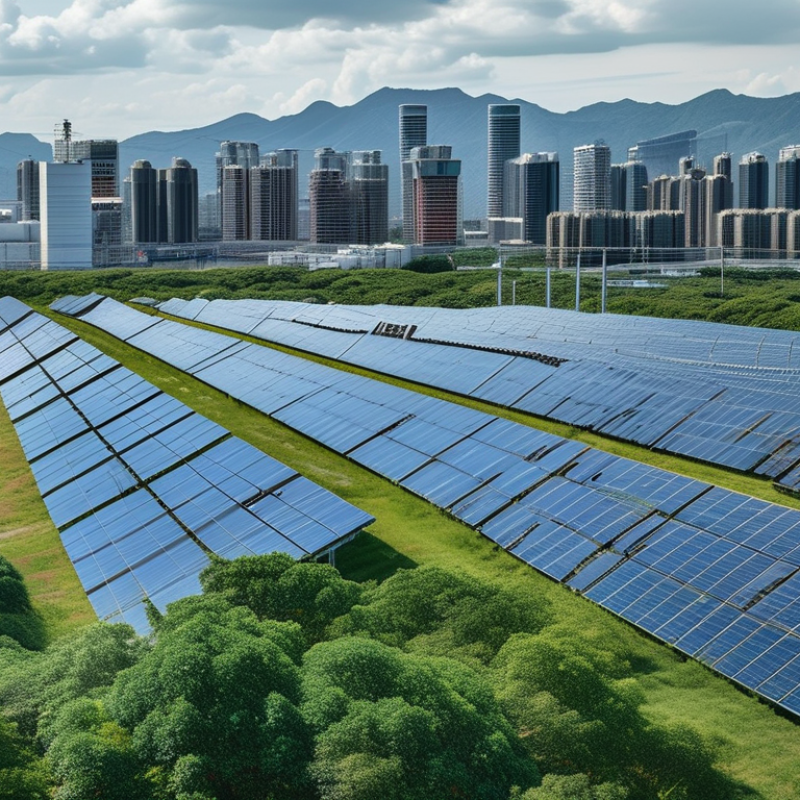
Emerging Battery Technologies: A 2026 Overview of Trends and Innovations
The landscape of battery technology is evolving rapidly. In 2026, emerging battery technologies like solid-state batteries are set to reshape the industry. These batteries promise higher energy density and improved safety over traditional lithium-ion options. According to a recent industry report, solid-state batteries could deliver energy densities up to 500 Wh/kg, significantly outpacing current technologies.
Another major trend is the focus on sustainability in battery manufacturing. Researchers are exploring the use of abundant materials to reduce environmental impact. Reports indicate that nearly 80% of new battery technologies aim to minimize reliance on scarce resources. However, the transition to greener alternatives still faces challenges. Recycling processes need enhancement to meet increasing demand sustainably.
Innovations in battery management systems are also crucial. Advanced algorithms help optimize battery performance and enhance lifespan. However, as these systems grow more complex, the risk of failures increases. The balance between performance improvements and reliability needs careful consideration. Overall, while promising, the future of battery technologies involves navigating both opportunities and potential pitfalls.
2026 Emerging Battery Technology Trends
This chart illustrates the projected growth in various emerging battery technologies over the next few years, focusing on advancements in energy density, charging speed, and sustainability. The data represents research insights on the trends in battery technology up to 2026.
The Rise of Solid-State Batteries: Market Growth and Performance Metrics
The rise of solid-state batteries marks a significant shift in energy storage technology. These batteries promise higher energy density and improved safety compared to traditional lithium-ion varieties. With the growing demand for electric vehicles and renewable energy, the solid-state battery market is expected to expand rapidly through 2026.
Performance metrics for solid-state batteries show their potential benefits. They can achieve faster charging times and longer lifespans. Manufacturers face challenges in scaling production. This could impact overall market growth and accessibility for consumers.
**Tips:** Always stay updated on industry reports. Understanding performance differences is crucial for informed decisions. Research emerging companies focusing on solid-state technology to explore new opportunities.
Sustainable Materials in Battery Production: Environmental Impact Data
As the world transitions towards sustainable practices, battery production is undergoing significant changes. Sustainable materials are becoming key in reducing environmental impacts. According to a report by the International Energy Agency, the demand for lithium-ion batteries could reach 9 million tons by 2030. This explosion in production necessitates a shift to more sustainable practices.
The mining of traditional battery materials, like lithium and cobalt, poses serious ethical and ecological challenges. In fact, a study from the World Bank projects a potential rise in mining activities could lead to habitat destruction. Researchers suggest using recycled materials from used batteries can reduce the need for new mining. This approach could decrease carbon emissions by roughly 60% during the production phase.
The environmental impact data shows that the battery industry must prioritize sustainable sourcing. According to a report by the Ellen MacArthur Foundation, introducing more sustainable sourcing methods could bring down overall emissions by 30% in the next decade. However, many companies still rely on traditional methods that overlook these critical factors, indicating a need for reflection in current practices. The path to sustainability in battery production is intricate and demanding, yet vital for a greener future.
Advancements in Fast-Charging Technologies: Efficiency and Adoption Rates
The realm of fast-charging technologies is evolving rapidly. Recent advancements showcase remarkable efficiency gains, reducing charging times significantly. Devices that previously took hours to charge can now reach full capacity in just minutes. This rapid development is not just about speed but also about adopting new technologies for safety and longevity.
When exploring these trends, consider the type of battery used in your device. Lithium-ion batteries dominate the market, yet newer materials, like solid-state batteries, are emerging. These alternatives promise higher energy densities and improved safety. Efficiency isn't just a technical specification; it impacts daily life. For instance, a fully charged device can last significantly longer, reducing the need for frequent recharging.
Tip: Stay informed about the latest advancements in battery technology. Subscribing to tech newsletters can keep you in the loop.
It's essential to reflect on adoption rates. Many users are still hesitant to shift to newer technologies. Concerns about compatibility and the perceived high costs hold them back. As more devices integrate with fast-charging standards, user confidence may grow.
Tip: Analyze your charging habits. Awareness of your device's charging needs can help you choose the right technology. Greater awareness leads to smarter choices.
The Role of AI and IoT in Battery Management Systems: Trends and Predictions
The integration of AI and IoT in battery management systems (BMS) represents a promising advancement in energy storage technology. By 2026, industry reports predict a significant increase in the adoption of intelligent BMS solutions. These systems utilize real-time data to monitor battery status and predict maintenance needs. According to a 2023 study by Market Research Future, the global battery management system market is projected to reach $25 billion by 2026, showcasing the growing importance of these technologies.
AI enhances data accuracy, enabling proactive measures in battery health management. Machine learning algorithms can analyze usage patterns and environmental factors. This analysis helps in optimizing charging cycles, extending battery life by up to 30%. However, the challenge remains in data privacy and the potential for hacking. Industry experts call for improved cybersecurity protocols to safeguard sensitive information.
IoT, on the other hand, connects batteries with the smart grid, allowing for dynamic energy distribution. By 2025, approximately 50% of new batteries are expected to be IoT-enabled. Despite the advantages, inconsistent data quality and interoperability issues between devices could hinder progress. More collaboration within the industry is necessary to establish standard protocols, ensuring reliability in these complex systems.
FAQS
: Fast-charging technologies are reducing charging times significantly. Devices can now fully charge in just minutes.
Lithium-ion batteries are popular. New materials like solid-state batteries are emerging, promising better efficiency and safety.
Improved efficiency means devices last longer on a full charge. This reduces the need for frequent recharging.
Concerns about compatibility and costs hold many users back. Increasing integration may boost user confidence over time.
AI uses data for accurate monitoring. IoT connects batteries to the smart grid, allowing better energy distribution.
Data privacy and hacking pose significant risks. Improved cybersecurity protocols are required to protect sensitive information.
The market for battery management systems is projected to reach $25 billion by 2026, reflecting growing industry interest.
Analyzing personal charging habits can help users choose the right technology for their needs. Awareness is key.
Inconsistent data quality and interoperability issues can slow progress. More collaboration is necessary for standard protocols.
Some advancements may not yet be widely compatible. Users need to reflect on the potential costs before adopting new technologies.
Conclusion
As we look towards 2026, understanding what are the latest battery technology trends is crucial for various industries. Emerging technologies such as solid-state batteries are gaining momentum, promising enhanced performance and safety compared to traditional lithium-ion batteries. Additionally, there is a shift towards using sustainable materials in battery production, driven by the need to minimize environmental impact.
Moreover, advancements in fast-charging technologies are reshaping consumer expectations, with improved efficiency and higher adoption rates. The integration of AI and IoT in battery management systems is revolutionizing how batteries are monitored and utilized, enhancing lifecycle management. Together, these trends illustrate a significant transformation in the battery technology landscape, highlighting innovation and sustainability as key focal points for the future.

 Volt Power