In today's global market, sourcing high-quality batteries is crucial for electronic devices. Many businesses struggle with how to evaluate battery quality effectively. The reliability of a battery can impact product performance and customer satisfaction. This process is complex, requiring knowledge of various factors.
Understanding battery specifications is the first step. Voltage, capacity, and discharge rates are critical metrics. However, these numbers alone do not tell the full story. Real-world performance can differ significantly from lab results. Consumers demand batteries that perform well in diverse conditions. Therefore, testing under various scenarios is essential.
Moreover, manufacturers must consider supplier credibility. Established brands often have strict quality control measures. However, newcomers may offer competitive prices without proven reliability. Thus, it is vital to evaluate both product and partner quality. This is a continuous journey, with constant learning and adaptation to emerging technologies and standards.
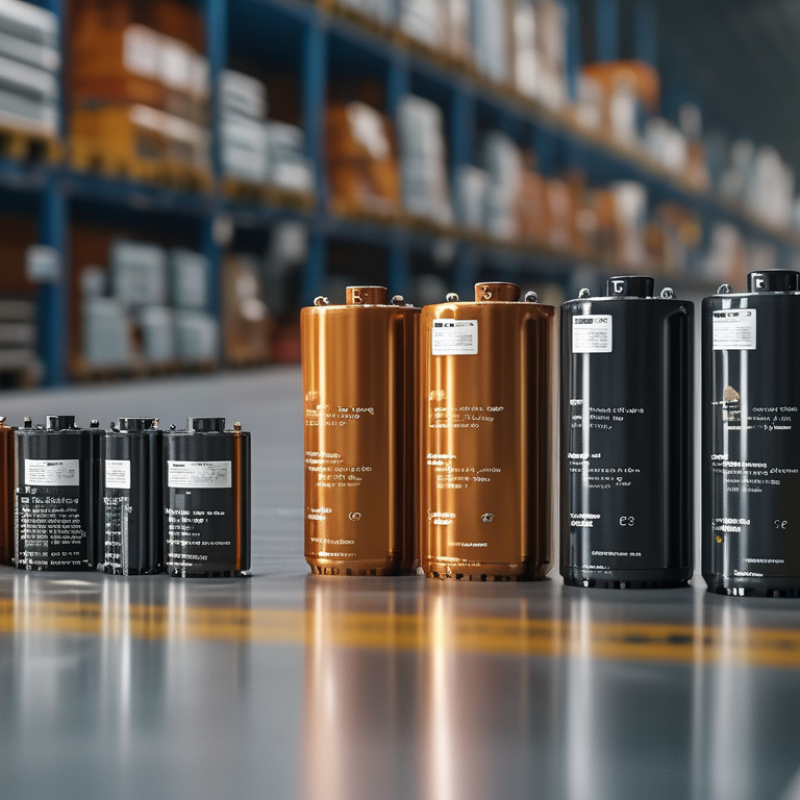
When evaluating battery quality, understanding standards and specifications is crucial. Batteries must meet specific industry benchmarks. Compliance with these standards ensures safety and optimal performance. Common standards include ISO, IEC, and UL. These organizations set rigorous tests for battery safety and reliability. Knowing these can aid in selecting quality products.
Specifications also play a vital role in assessing battery quality. Key factors include energy density, cycle life, and charge retention. Energy density indicates how much energy a battery holds. Higher density typically means better performance. Cycle life denotes how many charge-discharge cycles a battery can withstand before losing capacity. Charge retention reflects how well a battery holds its charge over time.
Evaluating batteries requires attention to detail. One must scrutinize test results and certifications. Not all products pass these tests, raising the importance of verification. Reflecting on source quality can help identify potential issues. Problematic sourcing might lead to lower standards. It’s necessary to stay informed and inquisitive when making decisions. Every evaluation can reveal strengths and weaknesses in battery supply.
When evaluating battery quality for global sourcing, key metrics come into play. First, consider capacity measured in milliamp hours (mAh). High capacity indicates longer usage times. This metric provides insight into the battery's energy storage potential. However, not all high-capacity batteries perform well under stress. Testing under actual load conditions is essential.
Another crucial metric is cycle life, the number of charge and discharge cycles a battery can endure before significant capacity loss occurs. A battery with a longer cycle life is more cost-effective in the long run. Often, manufacturers may hype cycle life numbers. Verify these claims through independent testing whenever possible.
Tips to keep in mind: always check the manufacturer's specifications critically. Look for third-party certifications as indicators of reliability. It’s also wise to pilot test a sample batch before full procurement. Pay attention to the battery's performance in real-world scenarios. Sometimes, seemingly perfect battery specs lead to disappointing outcomes in practice. Assessing battery performance should involve a holistic approach, focusing on real-world use rather than theoretical specs.
When sourcing high-quality batteries, it's crucial to analyze several key factors. Technical specifications matter. Capacity, cycle life, and discharge rates should align with your project's needs. Reports indicate that battery capacity can vary widely, with some lithium-ion batteries offering up to 3000 cycles. These details impact both performance and longevity.
Supplier evaluation is another vital component. Consider financial health and production capacity. Industry studies reveal that 30% of battery suppliers face financial instability. This risk can affect supply chain reliability. Researchers recommend frequent audits and direct communication with suppliers. This proactive approach mitigates potential disruptions.
Quality certifications should not be overlooked. Look for ISO standards and compliance with safety regulations. According to the International Electrotechnical Commission, up to 20% of batteries fail to meet basic safety requirements. Continuous quality checks can help identify weaknesses early. A transparent sourcing strategy can enhance overall product quality and reliability.
| Evaluation Criteria | Description | Importance (1-5) | Typical Range |
|---|---|---|---|
| Cycle Life | Number of charge/discharge cycles before capacity falls below 80% | 5 | 500 - 3000 cycles |
| Energy Density | Energy stored per unit mass or volume | 4 | 100 - 300 Wh/kg |
| Charge Rate | Speed at which a battery can be charged | 4 | 0.5C - 3C |
| Temperature Range | Operating temperature range for optimal performance | 3 | -20°C to 60°C |
| Safety Features | Built-in protections against overcharging and overheating | 5 | Yes/No |
| Cost | Price per unit of energy or total cost per battery | 3 | $100 - $500 per kWh |
Evaluating manufacturer credentials and certifications is critical in ensuring battery quality during global sourcing.
The International Electrotechnical Commission (IEC) outlines specific standards for battery safety and performance,
such as the IEC 62133 certification. This standard confirms that a battery can withstand various safety tests, ensuring reliability during usage.
It's important to look beyond just certification logos. Understanding the context of these certifications is vital.
For instance, a manufacturer may have multiple certifications but limited production capacity. In contrast, a smaller manufacturer
might prioritize quality over quantity, leading to superior products. According to a 2021 report by the Battery Manufacturing Association,
about 30% of battery failures stem from poor manufacturing practices. Evaluating these credentials enables companies to make informed decisions.
Regular audits and quality checks help maintain manufacturing standards. Third-party evaluations often reveal discrepancies
that in-house checks might miss. A study from Battery Safety Research found that 15% of batteries failed basic safety standards
in uncontrolled environments. Thus, verifying certifications along with on-the-ground audits can prevent sourcing issues.
Each step requires attention to detail. Quality is not just about meeting standards; it’s about continuous improvement.
When sourcing batteries globally, ensuring their quality is crucial. Effective testing and inspection practices can prevent costly errors. Begin with visual inspections. Check for physical damage, corrosion, and manufacturing defects. These immediate assessments can reveal issues early.
Move on to performance testing. Battery capacity and discharge rates must meet specified standards. Use standardized procedures to evaluate these metrics. It’s vital to document results accurately. Include details like temperature conditions during tests. This data enhances transparency and reliability.
Consider third-party certifications as an added layer of assurance. While this can increase costs, it often pays off in the long run. Certifications can indicate compliance with safety and performance norms. However, ensure that the certifying body is credible. Balancing cost and quality always requires reflection and adjustment. Sometimes, compromising on either side leads to unforeseen challenges.
: They ensure safety and optimal performance. Compliance with standards mitigates risks.
Common standards include ISO, IEC, and UL. Each has rigorous tests for safety and reliability.
Specifications detail factors like energy density, cycle life, and charge retention, impacting overall performance.
Energy density shows how much energy a battery can hold. Higher density typically means better efficiency.
Detailed testing prevents costly errors. It ensures batteries meet standards and function correctly.
Look for physical damage, corrosion, and manufacturing defects. These checks can catch issues early.
Use standardized procedures. Document results with temperature conditions for transparency.
Yes, they provide assurance of compliance with safety and performance standards.
Lowering costs might lead to quality issues. It's vital to reflect on trade-offs.
Regularly review test results and certifications. Stay inquisitive to identify strengths and weaknesses.
To effectively understand how to evaluate battery quality for global sourcing, one must begin with a clear grasp of battery quality standards and specifications. These standards serve as benchmarks for performance and safety, guiding the selection process. Critical metrics such as capacity, discharge rates, and cycle life should be assessed to ensure batteries meet the required performance criteria.
Moreover, sourcing strategies play a vital role in acquiring high-quality batteries. This includes thorough evaluations of manufacturer credentials and certifications, ensuring they comply with industry standards. Implementing best practices for battery quality testing and inspection is essential to mitigate risks and confirm reliability. By integrating these approaches, businesses can establish a robust framework for how to evaluate battery quality effectively, leading to informed sourcing decisions and enhanced product integrity.
Volt Power