Solar panels produce electricity when sunlight is available, but household demand often continues after sunset. This timing gap explains how do batteries support solar energy systems in practical settings. A battery stores excess midday generation and releases it during evening cooking, lighting, or electric-vehicle charging. It can also provide backup power during short grid interruptions. Quietly, it changes solar energy from a daytime resource into a more flexible household supply.
Paul Denholm, an energy-storage researcher at the National Renewable Energy Laboratory, has stated, “Energy storage is a critical component of a reliable, resilient, and affordable clean energy system.” His observation reflects field experience and grid-planning research. Battery performance depends on capacity, power rating, temperature, inverter efficiency, and installation quality. A larger battery is not automatically better. Poor sizing can leave capacity unused or increase costs without improving resilience.
The sections ahead examine battery chemistry, charge cycles, solar inverters, backup loads, and financial trade-offs. They also consider real operating details, such as a battery filling at noon and discharging at 8 p.m. Safety controls matter. So does maintenance. Yet the technology is not perfect. Batteries gradually lose usable capacity, and cloudy weather can reduce charging opportunities. Some systems still need grid electricity or a generator during prolonged low-sun periods. That limitation deserves honest attention. A well-designed system does not promise energy independence every hour. It aims to use solar power more effectively, reduce dependence on peak-rate electricity, and maintain essential loads when conditions change.
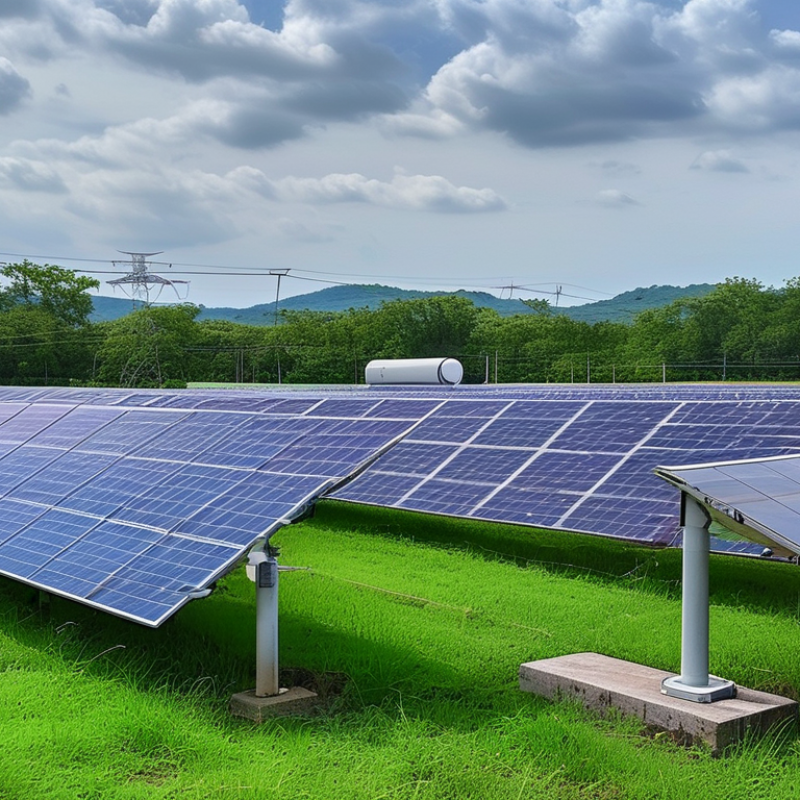
Solar panels generate electricity when sunlight reaches their photovoltaic cells. The cells release electrons and create direct current, or DC power. An inverter changes this electricity into alternating current for household appliances. A refrigerator, water heater, or computer can then use it immediately.
Solar production changes throughout the day. A clear noon may produce strong output, while clouds can reduce it within minutes. At night, panels produce nothing. This is where a battery supports the system. It stores extra electricity during high production and releases it when demand rises or sunlight disappears. A home might charge the battery at noon, then use that stored power for lights and cooking after sunset.
During real system checks, installers examine panel output, battery temperature, charge limits, and household demand. These details affect performance more than simple capacity ratings. A battery that stores ten kilowatt-hours cannot always deliver all ten. Conversion losses, reserve settings, and aging reduce usable energy. The calculation is never perfect. Weather forecasts can also disappoint. A careful system uses monitoring data to adjust charging and consumption, rather than assuming every sunny day will perform equally. Proper wiring, ventilation, and professional installation help protect both equipment and users.
How Do Batteries Support Solar Energy Systems?
Why Batteries Are Added to Solar Energy Systems
Solar panels produce electricity when sunlight is available, but household demand rarely follows the same schedule. Production often peaks around midday, while people use more power in the evening. Batteries are added to store surplus solar energy and release it later. This reduces dependence on grid electricity during high-use hours. It can also provide backup power during short outages, depending on system design and local requirements.
In practical system reviews, battery sizing requires more than checking daily energy use. Installers should examine nighttime demand, outage priorities, solar production, battery efficiency, and expected degradation. A battery cannot create energy. It only shifts available energy through time. The simple story is attractive, but incomplete. Oversizing may increase cost, while undersizing may leave important appliances without support. Honest planning should include safety clearances, ventilation needs, electrical protection, and qualified installation.
Tips: List essential loads before choosing storage. A refrigerator, lights, communication equipment, and medical devices may need priority. Review the battery’s usable capacity, warranty terms, operating temperature, and estimated cycle life. Ask how the system behaves after several cloudy days. That question matters. Solar energy systems also need regular monitoring, because unusual temperature, reduced output, or repeated deep discharge can signal a problem. A professional assessment remains valuable, especially where electrical codes and interconnection rules differ.
This representative 24-hour profile shows how a battery stores excess solar energy during midday and releases it during the evening. This reduces the need to send surplus solar power to the grid and helps supply household demand after sunlight decreases.
How Do Batteries Support Solar Energy Systems?
Solar panels often produce their most electricity around noon, when household demand may be modest. Batteries capture this excess power through a charge controller and inverter. The stored electricity then serves lights, refrigerators, or heat pumps after sunset. A battery management system monitors voltage, temperature, and state of charge to protect the cells.
The International Energy Agency reported that global battery storage additions reached about 42 gigawatts in 2023, more than doubling from the previous year. That growth reflects a practical need: solar power is plentiful at midday but limited after dark. A well-designed lithium-ion system can typically deliver around 85–95% round-trip efficiency, according to data from the U.S. Department of Energy. Some energy still disappears as heat. Small losses become noticeable over many years.
Battery sizing requires more than matching panel capacity. A 10-kilowatt-hour battery may not deliver 10 kilowatt-hours to appliances after conversion losses and reserve settings. In field projects, cloudy weather, aging cells, and unexpected evening demand can reduce available energy. IEA analysis also indicates that battery storage capacity must expand dramatically this decade to support clean-energy targets. The figure is persuasive, but forecasts remain sensitive to grid rules, financing, and mineral supply. Good design leaves room for those uncertainties.
| Data Dimension | Typical Value or Range | How It Supports a Solar Energy System | Important Considerations |
|---|---|---|---|
| Primary Energy Source | Solar photovoltaic electricity | Solar panels generate direct-current electricity during daylight hours, while a power converter supplies alternating-current electricity to household or building loads. | Solar production varies with sunlight, weather, season, panel orientation, and shading. |
| Charging Period | Usually during late morning and afternoon | The battery stores electricity when solar generation exceeds immediate consumption, reducing the amount of surplus power exported or curtailed. | The charging rate depends on solar output, battery power rating, state of charge, and the power electronics. |
| Discharging Period | Commonly evening, overnight, or during short outages | Stored electricity can supply loads after sunset, helping shift solar energy from high-production periods to high-demand periods. | Available energy depends on the battery’s usable capacity and the amount of charge remaining. |
| Common Storage Duration | Approximately 2–8 hours at rated power | This duration is suitable for daily load shifting, evening consumption, peak-demand reduction, and limited backup operation. | Longer backup periods require more storage capacity and may need additional generation or load management. |
| Usable Depth of Discharge | Approximately 80%–95% for many modern systems | A higher usable depth of discharge allows more of the battery’s nominal capacity to be used on each cycle. | Operating limits are set by the battery-management system to help protect performance, safety, and service life. |
| Round-Trip Efficiency | Approximately 80%–95% | This indicates how much electricity can be recovered after charging and discharging. For example, 90% efficiency returns about 9 kWh from 10 kWh charged. | Efficiency varies with temperature, charge and discharge power, state of charge, inverter losses, and battery age. |
| Response Time | Milliseconds to a few seconds | Batteries can respond quickly to changes in solar production or electricity demand and can help stabilize power during short interruptions. | Backup transfer time depends on system design, inverter controls, and whether an automatic transfer switch is used. |
| Typical Battery Chemistry | Lithium-ion, including lithium iron phosphate | Lithium-based batteries offer high energy density, good efficiency, and a compact form factor for residential and commercial applications. | Thermal management, certified equipment, correct installation, and protection systems are essential for safe operation. |
| Cycle Life | Approximately 3,000–10,000 full-equivalent cycles | A cycle represents energy discharged and recharged up to the battery’s rated capacity. A longer cycle life can support many years of regular solar shifting. | Actual service life depends on temperature, cycling depth, operating limits, maintenance, and calendar aging. |
| Energy Capacity | Measured in kilowatt-hours (kWh) | Capacity determines how much stored electricity is available for evening loads, overnight use, or backup operation. | The required capacity should be based on load profiles, desired backup duration, solar production, and allowable state-of-charge limits. |
| Power Rating | Measured in kilowatts (kW) | Power rating determines how many appliances or electrical loads can operate simultaneously from the battery system. | A battery may have sufficient energy capacity but still be unable to start or run high-power equipment if its inverter power rating is too low. |
| Energy Management Function | Charge, discharge, reserve, and export-control scheduling | Control software can prioritize self-consumption, reduce peak demand, maintain backup reserves, or respond to electricity time-of-use rates. | Operating strategies should account for weather forecasts, household demand, grid rules, and battery reserve requirements. |
| Grid Interaction | Grid-connected, backup-capable, or off-grid operation | In grid-connected systems, batteries can reduce grid purchases. In backup or off-grid systems, they help maintain electricity availability when solar production is insufficient. | Grid interconnection requirements, electrical codes, and permitted operating modes vary by location. |
| Environmental Operating Conditions | Performance is generally best within a moderate temperature range | Proper temperature control helps preserve charging efficiency, usable capacity, and battery life. | Very high or low temperatures can reduce performance and may require heating, cooling, ventilation, or installation in a protected location. |
Note: Values are general industry ranges for planning purposes. Actual performance depends on system design, battery chemistry, inverter efficiency, climate, operating conditions, installation quality, and local regulations.
Solar panels do not produce equal power throughout the day. Output drops during clouds, late afternoon, and after sunset. A battery bridges these gaps by charging when solar generation exceeds household demand. It discharges through an inverter when demand becomes higher than current solar output.
The control system constantly measures load, panel production, and battery state of charge. If a cloud reduces output from 5 kilowatts to 1 kilowatt, the battery can immediately supply the missing power. NREL’s 2024 Electricity Annual Technology Baseline models about 85% round-trip efficiency for many lithium-ion storage systems. In practice, some energy becomes heat during charging and conversion. The battery cannot return every stored kilowatt-hour.
Battery capacity is only part of the decision. Power rating determines how many appliances can operate together, while duration determines how long support continues. The International Energy Agency’s Batteries and Secure Energy Transitions report identifies grid-scale storage as essential for integrating more variable renewable electricity. Lazard’s 2024 Levelized Cost of Storage report also shows that project economics change significantly with cycling frequency, duration, and operating conditions. A poorly sized battery may fill before evening demand peaks. That mistake is easy to overlook. Weather forecasts can also be wrong, leaving less reserve than expected. Good system design therefore preserves a minimum state of charge, limits unnecessary cycling, and tests performance during real cloudy-day conditions.
Solar batteries store surplus electricity produced during bright hours and release it when sunlight fades. Their usefulness depends on more than storage capacity. Temperature, charging habits, installation quality, and daily energy demand all shape performance.
Heat matters. High temperatures can accelerate battery aging, while freezing conditions may restrict charging. A shaded, ventilated location usually offers better stability. Depth of discharge also matters. Using nearly all stored energy every day may reduce the battery’s service life. A system designed with reserve capacity can avoid this strain. However, oversizing the battery may raise costs without improving household savings. The right size should match evening consumption, solar production, and backup expectations.
Round-trip efficiency shows how much electricity remains after charging and discharging. Small losses add up. For example, frequent conversion losses can reduce the energy available for appliances overnight. Battery chemistry, inverter settings, and software controls influence this result. Regular monitoring can reveal unusual temperature changes, declining capacity, or repeated deep discharges. Those signals deserve professional inspection. A paper design may appear efficient, yet real use can differ because weather and family routines change. I would also question predictions based on perfect sunlight, since cloudy weeks expose weak assumptions. Safe wiring, protective equipment, and qualified installation remain essential for reliable operation.
: Sunlight reaches photovoltaic cells and releases electrons. The panels produce direct current, or DC power. An inverter changes DC electricity into alternating current for household appliances.
Solar electricity can power refrigerators, water heaters, computers, lights, and cooking equipment. A refrigerator may run during sunny hours. Demand still changes throughout the day.
Clear noon skies usually produce strong output. Clouds can reduce production within minutes. At night, panels produce nothing. Weather forecasts can disappoint.
A battery stores extra electricity during high production. It releases that energy when sunlight disappears. For example, noon power can support lights after sunset.
Not always. Conversion losses, reserve settings, and aging reduce usable energy. Some electricity becomes heat during charging and discharging. The advertised capacity is not the whole story.
Well-designed lithium-ion systems may provide about 85–95% round-trip efficiency. The remaining energy is lost during conversion and storage. Small losses matter over many years.
Installers should check panel output, battery temperature, charge limits, and household demand. They should also inspect wiring and ventilation. Capacity alone gives an incomplete picture.
Battery size should match solar production, evening demand, weather, and reserve settings. A cloudy week may reduce available energy sharply. A larger battery is not automatically better. This estimate can be wrong.
Solar energy systems use panels to convert sunlight into electricity for homes and businesses. Because solar production changes with weather and daylight, power generation may not always match demand. This is where how do batteries support solar energy systems becomes an important question. Batteries allow the system to capture extra electricity produced during sunny periods instead of wasting it or sending it away immediately. The stored energy can then be used later, especially at night or when household electricity use is higher than solar output.
When sunlight becomes weak because of clouds, seasonal changes, or evening hours, batteries can supply electricity and help maintain a more stable energy flow. Their performance depends on factors such as storage capacity, charging efficiency, depth of discharge, operating temperature, system design, and maintenance. Battery age and daily usage patterns also influence how long stored power remains available. By combining solar generation with suitable battery storage, users can improve energy independence, make better use of renewable electricity, and reduce reliance on outside power sources when solar production falls.

Volt Power