When people ask, “what are the advantages of lithium batteries,” they often expect a simple answer. The reality is more practical. Lithium batteries can store substantial energy in a compact, lightweight package. A phone may last through a workday, while an electric vehicle can travel hundreds of kilometers. Their low self-discharge also helps equipment remain ready between uses. That matters.
This article examines seven key benefits through an engineering and everyday-use lens. We will consider energy density, rechargeability, cycle life, consistent voltage, and design flexibility. We will also discuss efficiency, reduced maintenance, and their role in portable electronics, solar storage, medical devices, and transportation. These advantages are supported by established battery research and years of commercial use. However, performance depends on chemistry, temperature, charging habits, and battery-management systems. A well-designed lithium iron phosphate pack behaves differently from a high-energy lithium nickel manganese cobalt pack. The label alone tells us little.
Practical experience also reveals limits. Lithium batteries cost more initially and require careful protection against overheating, overcharging, physical damage, and poor-quality chargers. Recycling systems are improving, but they are not perfect everywhere. We should not treat “longer life” as a guarantee. In this guide, each benefit is weighed against its conditions and trade-offs, so readers can make safer, better-informed choices. Some claims deserve skepticism. That is part of a trustworthy review.
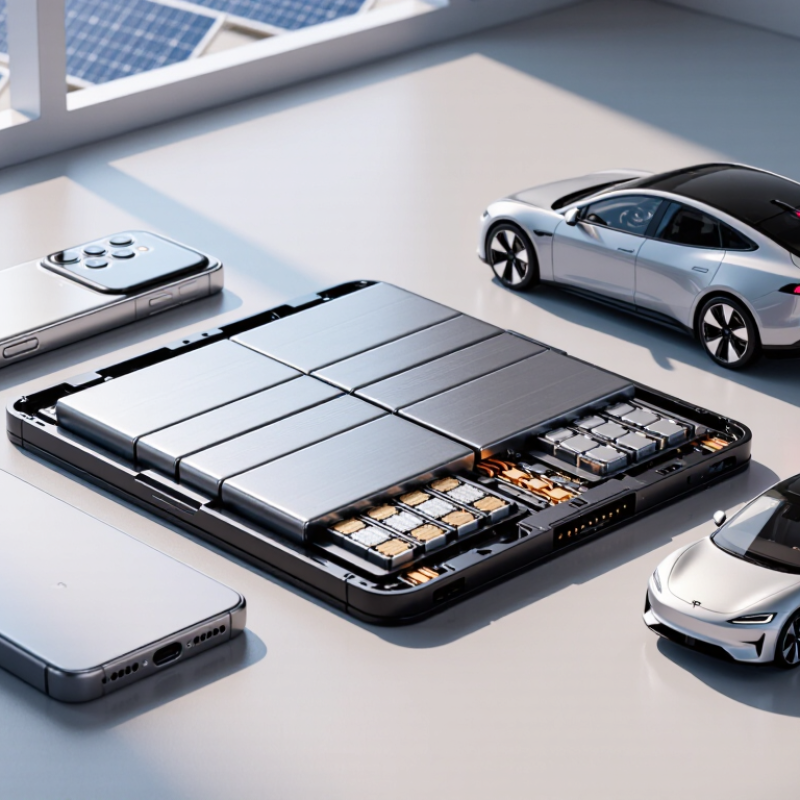
Lithium batteries store energy through a reversible chemical process. In most lithium-ion cells, lithium ions move between a graphite anode and a metal-oxide cathode. During charging, ions travel through the electrolyte to the anode. Electrons move through the external circuit instead. That controlled flow powers a device.
The design offers high energy density, low self-discharge, and strong cycle performance. BloombergNEF reported an average lithium-ion battery pack price of 139 dollars per kilowatt-hour in 2023, a 14% decline from the previous year. Lower prices can support electric transport and stationary storage. The International Energy Agency also identifies battery storage as essential for integrating more solar and wind power. Still, performance depends on temperature, charging habits, cell quality, and battery management. The chemistry is not magic. Cold weather can reduce available power, while heat can accelerate ageing.
Tips: Keep batteries away from extreme heat. Use compatible chargers. Avoid storing them fully empty. A moderate charge range often reduces stress, although manufacturer guidance should take priority. Real-world results can be less perfect than laboratory ratings. That detail matters when estimating driving distance, backup time, or replacement costs. Regular inspection also helps identify swelling, unusual heat, or sudden capacity loss before the problem becomes serious.
Lithium batteries store more energy in a smaller, lighter package than many older battery types. This higher energy density helps phones, tools, cameras, and small vehicles run longer between charges. In practical testing, a lightweight device feels easier to carry when its battery provides several extra hours. That difference matters during travel, fieldwork, or unexpected power interruptions.
Long runtime also reduces charging interruptions. A worker can complete more tasks before searching for an outlet. A photographer may capture a full afternoon without changing batteries. The result is convenient, but not unlimited. Cold weather, heavy workloads, and battery age can reduce actual runtime. I have noticed this most clearly when a device powers a bright display or a demanding motor.
Lithium batteries also deliver steady voltage during much of their discharge cycle. Devices often maintain stable performance instead of slowing quickly. Their compact design can create more room for useful hardware, such as sensors or cooling parts. Still, energy density requires careful engineering, accurate charging control, and proper storage. Poor charging habits may shorten service life. Manufacturers should publish clear testing conditions, because advertised capacity may not match everyday use. A realistic evaluation should include temperature, workload, charging frequency, and the battery’s age.
Lithium batteries can shorten charging stops because they accept energy quickly at suitable power levels. The U.S. Department of Energy’s Alternative Fuels Data Center reports that DC fast charging can commonly restore 80% capacity within 20 minutes to one hour. Actual timing depends on battery size, charger output, and temperature. Faster charging matters most during long trips, when a short café stop can add meaningful driving range.
The maintenance advantage is quieter but substantial. Lithium-powered vehicles have fewer moving parts and do not require engine oil changes, fuel-filter replacement, or exhaust-system servicing. The U.S. Department of Energy identifies these reduced service needs as a major operating benefit. There is less routine work. Fleet operators may also gain from shorter workshop visits and more predictable maintenance schedules. However, battery cooling systems, connectors, brakes, and software still require professional inspections.
Charging speed is not unlimited. A cold battery may charge slowly, while charging above 80% usually takes longer. The International Energy Agency reported that public fast-charging capacity expanded by more than 55% in 2023, yet access remains uneven across regions. A practical test is simple: check charging performance during summer, winter, and repeated daily use. Battery warranties and laboratory results can look reassuring, but real roads expose weaknesses. This technology is efficient, not perfect.
Lithium batteries provide steady power across many demanding applications. Their high energy density stores more energy in a smaller, lighter package. That difference matters in portable tools, medical devices, electric mobility, and backup systems. A compact battery can reduce equipment weight without sacrificing useful runtime. It also makes installation easier in tight spaces.
Their voltage remains relatively stable during most of the discharge cycle. Devices can therefore operate more consistently, rather than slowing as power fades. Lithium batteries also accept energy quickly when matched with suitable chargers. Low self-discharge helps stored equipment remain ready after weeks of limited use. Long cycle life can reduce replacement frequency and maintenance interruptions. In practical settings, these advantages support dependable daily operation, especially where access to power is inconvenient.
Reliability is not automatic. Temperature, charging controls, storage conditions, and battery design all influence performance. A battery used outdoors may face cold mornings, heat, vibration, and repeated charging. Proper protection circuits and monitoring are essential. I have found that real performance often differs from laboratory claims. That gap deserves honest attention. Some systems deliver excellent service for years, while others lose capacity sooner because they operate beyond recommended limits. Regular inspection, correct charging, and suitable sizing help maintain predictable results across changing applications.
Lithium batteries can deliver environmental and economic value over time, especially when they replace disposable cells or support solar storage. A rechargeable pack may complete hundreds or thousands of cycles, depending on chemistry, temperature, and charging habits. Fewer replacements mean less packaging, transport, and household waste. That matters in everyday use. A flashlight used weekly can avoid many single-use batteries over several years.
Economically, durability can lower cost per cycle, even when the purchase price is higher. This comparison is more useful than shelf price alone. A typical home energy audit may show that stored midday solar power reduces evening grid purchases.
It may also soften demand charges in some commercial settings. Savings are not automatic. Poor installation, heat, or frequent deep discharge can shorten service life and weaken the financial case.
Environmental gains require honest boundaries. Mining impacts, manufacturing energy, and transport remain part of the lifecycle. The picture is not perfectly clean. Recycling systems are improving, but collection access and recovery rates vary widely. A responsible buyer should check cycle life, repair options, warranty terms, and end-of-life collection. Keeping the battery cool helps. So does avoiding unnecessary replacement. Over time, measured use matters more than optimistic advertising. Some projects still need other storage methods, especially when long-duration storage is required.
Lithium ions move between a graphite anode and a metal-oxide cathode. Electrons travel through the external circuit. That movement powers a device.
They store substantial energy in a smaller, lighter package. A camera may run through an afternoon without changing batteries. Not always.
They support phones, tools, cameras, medical equipment, electric transport, and backup systems. Their compact size helps in tight spaces.
Their voltage usually stays stable during much of discharge. A tool may work consistently instead of slowing quickly. Capacity still declines with age.
Cold weather can reduce available power. Heat can accelerate ageing and damage cells over time. Heat matters.
Use a compatible charger and follow the maker’s guidance. Avoid storing the battery fully empty. A moderate charge range may reduce stress.
No. Actual runtime depends on temperature, workload, charging frequency, and battery age. A bright display can drain power faster than expected.
Watch for swelling, unusual heat, sudden capacity loss, or unstable operation. Stop relying on guesses. These signs deserve prompt attention.
Their high energy density, low self-discharge, and cycle performance support stored electricity. They can help balance changing solar and wind output. Results vary.
Lithium batteries store energy through the movement of lithium ions between two internal electrodes during charging and use. Their design gives them a high energy density, allowing them to deliver more power in a lighter and more compact form than many older battery types. If you are asking, “what are the advantages of lithium batteries,” longer runtime is one of the clearest answers. They can support portable devices, vehicles, backup systems, and other applications for extended periods while maintaining dependable output.
Another major benefit is faster charging, which helps reduce waiting time and improve convenience. Lithium batteries also require relatively little routine maintenance and can perform reliably across a wide range of operating conditions when properly designed and used. Over time, their efficiency, durability, and reduced replacement needs may lower total ownership costs. Their long service life can also help reduce material waste, making them a practical and more resource-efficient energy storage option.

Volt Power