As the global demand for lithium batteries continues to rise, understanding "how long do lithium batteries last" becomes crucial. Industry expert Dr. Emily Chen from the Battery Research Institute states, “The lifespan of lithium batteries can vary significantly depending on usage and environment.” Research indicates that lithium batteries typically last between 2 to 10 years, influenced by factors such as charge cycles, temperature, and storage conditions.
For consumers and manufacturers alike, this variability poses challenges. Many devices, from electric vehicles to smartphones, depend on reliable battery performance. A study by the International Energy Agency notes that battery degradation often leads to reduced efficiency, raising concerns about sustainability and replacement costs. It’s essential to grasp the nuances of battery lifespan to make informed purchases and investments.
Moreover, several companies advocate for better maintenance practices. However, miscommunication about battery care contributes to premature failures. Buyers often overlook these details, leading to frustration and financial loss. Ultimately, exploring "how long do lithium batteries last" is not merely a question of numbers but entails a deeper dive into best practices and real-world implications.
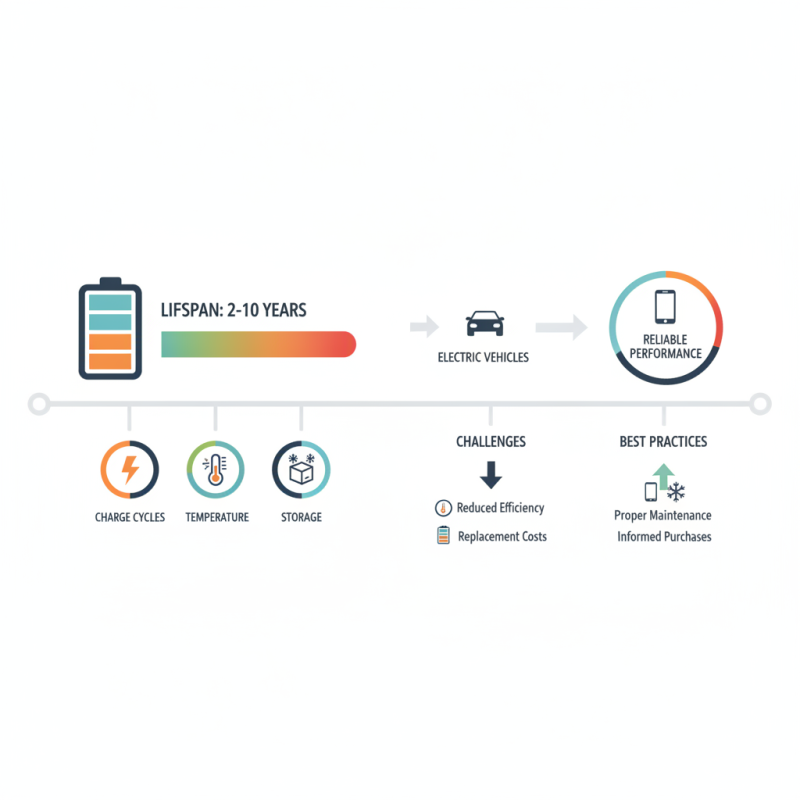
Lithium batteries are widely used in various applications, ranging from smartphones to electric vehicles. The lifespan of these batteries is generally influenced by several key factors. One major factor is temperature. Studies show that operating lithium batteries at elevated temperatures can reduce their lifespan by as much as 50%. Ideally, a temperature range of 20°C to 25°C is recommended for optimal performance.
Another critical aspect affecting battery longevity is charge cycles. According to industry reports, lithium batteries typically endure hundreds to thousands of charge cycles. A typical rechargeable lithium-ion battery retains about 80% of its capacity after 500 cycles, but this may vary based on usage patterns. Cycling the battery between 20% and 80% charge can significantly enhance its lifespan compared to complete discharges.
Additionally, the quality of the battery management system plays a vital role. Advanced systems provide better temperature control and efficient charging rates, which contribute positively to battery health. Reflecting on these factors, manufacturers need to balance performance with longevity. Future iterations could improve on existing designs, but the optimization process is ongoing.
: Temperature is a major factor. High temperatures can cut lifespan by up to 50%.
Lithium batteries can endure many charge cycles. Cycling between 20% and 80% charges enhances lifespan.
Typically, they last around two to three years. Frequent charging can shorten this duration.
They usually last between eight to fifteen years. Maintenance plays a significant role in this longevity.
A notable decrease in battery life is a key sign. Swelling or physical damage is also concerning.
Avoid extreme temperatures and manage charging habits. Regular maintenance can significantly help.
It ensures better temperature control and efficient charging. This contributes to overall battery health.
Aging batteries may not hold a charge, even with light usage. Awareness is key to informed decision-making.
Swollen batteries can lead to leaks, posing safety hazards. Monitor your battery condition regularly.
Battery management software can provide status updates. Staying informed on new practices is advisable.
Lithium batteries have become a popular choice across various applications due to their energy density and efficiency. However, a common question among global buyers is, "how long do lithium batteries last?" Several factors can influence their lifespan, including usage patterns, charging habits, and environmental conditions. Typically, lithium batteries last between 2 to 10 years, depending on the specific application, such as electric vehicles or portable electronics.
To extend the life of lithium batteries, users should practice good charging habits, avoid extreme temperatures, and store them properly when not in use. Additionally, there are several misconceptions about their longevity, such as beliefs that all batteries lose capacity at the same rate or that they need to be fully charged every time. Recognizing the signs that indicate a battery needs replacement, such as decreased performance or unusual heating, is also crucial for maintaining optimal functionality.

 Volt Power