China Top Lithium Battery Suppliers Why Are They Used in EVs?

Time:2026-10-03 Author:Sophia
0%

China has become a major force in the global lithium battery industry. Companies such as CATL, BYD, EVE Energy, and Gotion High-Tech supply cells, modules, and complete battery systems for electric vehicles. Their influence comes from large-scale manufacturing, strong mineral-processing networks, and years of investment in battery research. However, supplier rankings can change quickly. Production capacity alone does not prove long-term quality.

Many drivers ask, “why are lithium batteries used in electric vehicles?” The answer is practical. Lithium-ion batteries store substantial energy in a relatively compact and lightweight package. They can deliver strong acceleration, support repeated charging, and recover energy through regenerative braking. Lithium iron phosphate batteries offer excellent thermal stability and long service life. Nickel-manganese-cobalt batteries can provide higher energy density for longer-range models. Each chemistry involves compromises.

Chinese suppliers also compete through advanced cell-to-pack designs, battery management software, and automated quality inspection. A well-designed pack monitors temperature, voltage, and charging conditions thousands of times each minute. This supports safer and more consistent operation in real driving conditions. Yet battery performance depends on vehicle design, climate, charging habits, and maintenance. No battery is perfect. Cold weather may reduce range, while fast charging can increase heat and long-term wear. Reliable comparisons should use independent testing, verified specifications, warranty data, and real-world experience. This article examines why Chinese lithium battery suppliers are widely used in EVs, while also considering their technical limits, environmental responsibilities, and changing global market position.
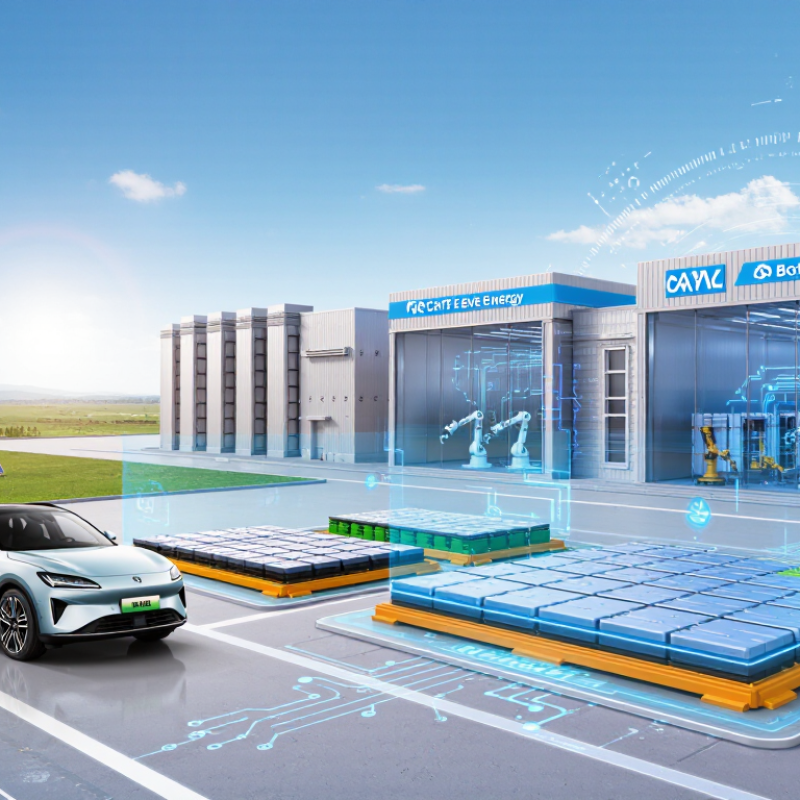
China Top Lithium Battery Suppliers Why Are They Used in EVs?

What Makes China a Leading Hub for Lithium Battery Manufacturing

China became a leading lithium battery manufacturing hub through scale, supply-chain depth, and fast engineering cycles. According to the International Energy Agency’s Global EV Outlook 2024, China produced about 75% of the world’s battery cells in 2023. It also controlled most global cathode and anode material production. This concentration lowers transport delays and improves coordination between mineral processors, cell factories, and vehicle plants.

Chinese suppliers benefit from large domestic EV demand. High production volumes help factories test new cell designs, improve yield, and reduce costs. BloombergNEF reported that average lithium-ion battery pack prices fell to 115 US dollars per kilowatt-hour in 2024. China’s average was lower, at about 94 dollars per kilowatt-hour. The gap shows the effect of mature manufacturing and intense competition. Yet low cost alone does not prove long-term reliability. Battery quality depends on thermal control, cycle testing, traceability, and consistent raw materials.

Tips: Buyers should request test data, warranty terms, safety certifications, and factory audit records. Check cell chemistry carefully. LFP cells offer strong thermal stability, while nickel-based cells usually provide higher energy density. Supplier capacity claims can also be optimistic. Independent verification remains essential.

Why China Is a Leading Hub for Lithium Battery Manufacturing

China has a dominant position across several stages of the EV battery supply chain. In 2023, it accounted for approximately 65% of global lithium refining, 80% of cathode active-material production, 90% of anode-material production, and 80% of lithium-ion battery cell manufacturing capacity. This integrated supply chain helps reduce costs, expand production, and support the rapid growth of electric vehicles.

Source: International Energy Agency (IEA), Global Critical Minerals Outlook 2024 and Global EV Outlook 2024. Values are rounded estimates.

How Lithium Battery Cells Are Designed for Electric Vehicles

Designing lithium battery cells for EVs starts with the vehicle’s daily demands. Engineers balance energy density, power output, safety, cost, and service life. A cell contains a cathode, anode, separator, electrolyte, and current collectors. Each layer must work evenly. Tiny defects can become serious under heat, vibration, or fast charging. Factory audits show that dimensional control and clean handling matter as much as chemistry. These details are easy to underestimate. Suppliers test capacity, internal resistance, swelling, and cycle performance before pack assembly.

Cell shape also influences the vehicle’s structure. Cylindrical cells are mechanically consistent and easier to automate. Prismatic cells use space efficiently inside a rigid case. Pouch cells can be light, but they need careful compression and protection. No format wins in every platform. Cooling paths are designed around these differences. Liquid channels may sit beside the cells, while sensors track temperature and voltage across modules. The battery management system limits current when conditions move outside safe ranges. That control is essential.

A reliable EV cell is designed for real roads, not only laboratory charts. Engineers simulate cold mornings, steep climbs, traffic stops, and repeated rapid charging. They inspect aging after thousands of cycles. Results can vary between batches, so traceability is essential. No cell is perfect. Manufacturing tolerances, unusual weather, and driving habits still create uncertainty. Better designs leave room for those mistakes. Clear testing records and independent verification help buyers judge whether supplier claims match performance.

Key Advantages of Chinese Lithium Battery Suppliers

Chinese lithium battery suppliers have become important partners in electric vehicle development. Their main advantage is manufacturing depth. Large production clusters connect cell makers, material processors, equipment firms, and testing laboratories. This integrated network can shorten procurement cycles and reduce transport between stages. It also supports faster design changes when vehicle platforms evolve. Engineers can request adjustments to cell dimensions, charging rates, or thermal systems. Practical coordination matters on a factory floor.

Cost remains another strong advantage. High-volume production spreads equipment and labor costs across more cells. Competitive pricing can help automakers invest in larger battery packs, stronger cooling, or safer electronic controls. Chinese suppliers also offer broad chemistry options, including lithium iron phosphate and nickel-based cells. Each chemistry brings trade-offs in range, weight, durability, and raw-material exposure. There is no universal winner. Careful testing is essential.

Technical capability is valuable only when quality systems are dependable. Experienced suppliers commonly use automated inspection, traceability records, cell balancing checks, and abuse testing. They may also provide sample validation and production audits before shipment. These steps help engineers identify swelling, heat buildup, or capacity loss early. Still, supplier claims should not replace independent verification. Standards, field data, and transparent warranty terms deserve close review. Some projects may face communication delays or inconsistent batches. That weakness should be acknowledged, not hidden. Buyers gain confidence when factories share test methods, failure data, and corrective actions openly.

How EV Makers Evaluate and Integrate Battery Suppliers

China Top Lithium Battery Suppliers: Why Are They Used in EVs?

EV makers evaluate battery suppliers beyond quoted cell prices. They examine energy density, cycle life, charging speed, thermal stability, and supply continuity. The IEA’s Global EV Outlook 2024 reported that electric vehicle battery demand reached about 750 GWh in 2023. Demand is rising quickly. Therefore, procurement teams need suppliers with stable production and scalable quality systems.

Factory audits often begin with electrode coating, cell assembly, and formation records. Engineers review defect rates, batch traceability, and testing equipment. BloombergNEF reported that average lithium-ion battery pack prices fell to 139 dollars per kWh in 2023. Lower prices matter, but cheap cells can create integration costs. A supplier must also support battery management software, thermal control, crash protection, and vehicle-level validation. The partnership starts before mass production.

Testing is rarely clean or simple. Engineers repeat abuse tests, cold-weather charging trials, vibration checks, and long-duration cycling. They compare laboratory results with road data. A supplier may pass every formal test yet struggle with software communication or delivery changes. That risk deserves attention. No scorecard is perfect. EV makers should keep independent audits, shared failure reviews, and clear warranty responsibilities. Experienced teams also inspect recycling plans and mineral traceability, because environmental performance increasingly affects purchasing decisions. The final choice depends on evidence collected across factories, vehicles, and years of service.

The Role of Chinese Batteries in the Future of Electric Mobility

China Top Lithium Battery Suppliers: Why Are They Used in EVs?

Chinese battery suppliers are shaping the future of electric mobility through scale, engineering, and practical manufacturing experience. Their batteries often combine high energy density with stable thermal performance. That balance matters during winter charging, highway driving, and repeated daily use.

Large production networks can reduce costs and shorten delivery times for vehicle makers. Chinese manufacturers also support several battery chemistries, including safer designs with lower dependence on scarce materials. In real vehicle testing, consistent cell quality can improve driving range and charging reliability. Still, battery progress is not perfect. Mining impacts, recycling gaps, and long-distance shipping require deeper attention. Cheap capacity alone cannot define a responsible electric future.

Tips: Compare cycle life, charging speed, thermal protection, warranty terms, and recycling plans before choosing an EV. Ask how the battery performs after several years, not only when it is new. Safety data matters. So does repair access. Future mobility will depend on cooperation between battery engineers, vehicle designers, regulators, and recycling specialists. Small improvements in cooling systems or software can prevent noticeable range loss. That detail is easy to overlook.

FAQS

What parts make up an electric vehicle battery cell?

A cell contains a cathode, anode, separator, electrolyte, and current collectors. Each layer must work evenly. Tiny defects matter.

How does cell shape affect an electric vehicle?

Cylindrical cells support consistent automation. Prismatic cells use space efficiently. Pouch cells are lighter but need firm compression and protection.

Why is battery cooling important?

Cooling systems manage heat during charging, climbing, and highway driving. Liquid channels may run beside cells. Sensors monitor temperature and voltage.

What does the battery management system do?

It tracks voltage, temperature, and operating limits. When conditions become unsafe, it reduces current. Simple control, major protection.

How are cells tested before vehicle assembly?

Suppliers measure capacity, internal resistance, swelling, and cycle performance. They also inspect manufacturing dimensions and cleanliness.

Can laboratory battery results predict real driving?

Not completely. Engineers test cold mornings, steep roads, traffic stops, and repeated fast charging. Real weather remains unpredictable.

Why is battery traceability important?

Cell quality can vary between production batches. Clear records help identify defects, aging patterns, and performance differences.

What should buyers compare before choosing an electric vehicle?

Compare cycle life, charging speed, thermal protection, warranty terms, repair access, and recycling plans. New-battery performance is not enough.

What challenges remain for future battery development?

Mining impacts, recycling gaps, shipping distances, and material availability still need attention. Lower cost alone is not responsible progress.

Are batteries made in China suitable for electric vehicles?

Large manufacturing networks can support consistent production, lower costs, and faster delivery. However, claims need independent testing. Trust requires evidence.

Conclusion

China has become a leading hub for lithium battery manufacturing because of its mature supply chain, large-scale production capabilities, strong engineering expertise, and continuous investment in research and development. Chinese suppliers produce battery cells in different formats and chemistries, allowing them to meet the varied requirements of electric vehicles. These cells are designed with energy density, charging speed, safety, thermal management, durability, and weight in mind. Understanding why are lithium batteries used in electric vehicles is closely connected to their ability to store substantial energy while remaining relatively lightweight and rechargeable.

Electric vehicle manufacturers evaluate battery suppliers based on quality consistency, safety performance, production capacity, cost, warranty support, and compliance with technical standards. They also consider how easily battery packs can be integrated with vehicle software, cooling systems, charging systems, and overall vehicle architecture. As electric mobility continues to expand, Chinese lithium battery suppliers are expected to contribute through improved materials, smarter battery management, longer service life, faster charging, and more sustainable manufacturing. These developments will help make electric transportation more efficient, accessible, and dependable.

Sophia

Sophia

Sophia is a dedicated marketing professional with an exceptional depth of knowledge about her company's products and services. With a keen understanding of market trends and customer needs, she crafts insightful blog posts that not only inform but also engage readers, enriching the company’s online......