Lithium batteries have become essential in various industries, fueling innovations and transforming the global supply chain. As demand rises, more sectors recognize their value in enhancing efficiency and sustainability. According to a recent report by the International Energy Agency, lithium battery usage is projected to grow exponentially, particularly in electric vehicles and renewable energy storage.
Renowned expert Dr. Emily Chen, who specializes in this field, states, “Industries must adapt to the increasing integration of lithium batteries to remain competitive.” Knowledge of "what industries use lithium batteries" is crucial for businesses aiming to thrive in a rapidly changing market. Automotive, consumer electronics, and industrial applications lead the charge in this battery revolution.
However, not all industries fully embrace lithium technology. Some face challenges like cost barriers and recycling issues. The push for greener solutions is evident, yet gaps in infrastructure remain. Recognizing these hurdles is vital for stakeholders to navigate the evolving landscape of lithium battery utilization.
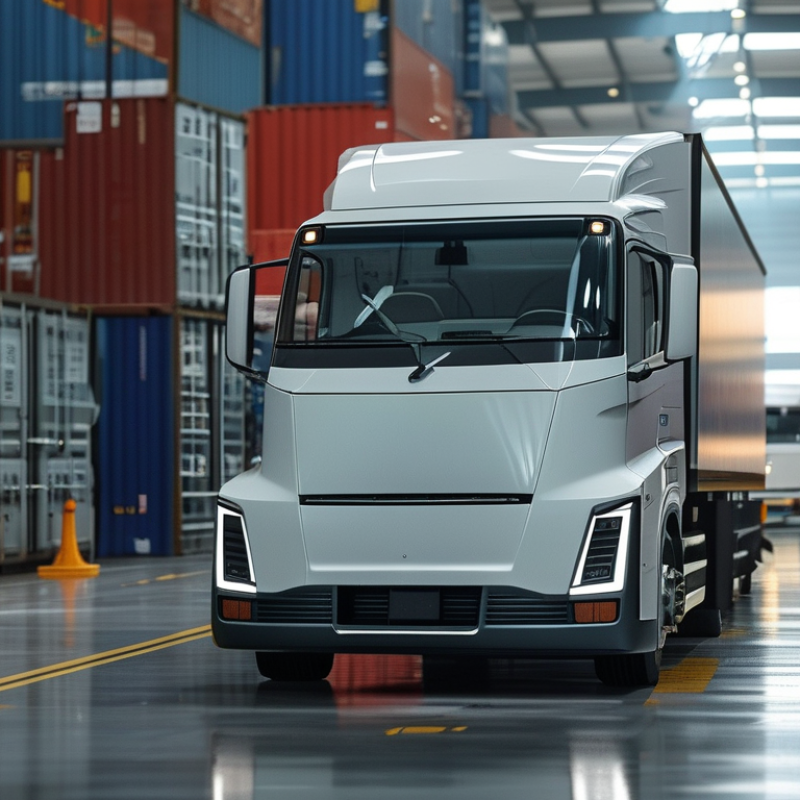
Key Applications of Lithium Batteries in Modern Industries
Lithium batteries have transformed various industries by powering essential applications. In the automotive sector, electric vehicles (EVs) rely on these batteries for efficient energy storage. High energy density allows for longer driving ranges, impacting consumer choices. However, the sustainability of lithium extraction raises concerns. Finding a balance between performance and environmental impact is essential for growth in this sector.
Consumer electronics benefit significantly from lithium batteries, with smartphones and laptops relying on their efficiency. These batteries enable rapid charging and longer usage times. Yet, the challenge remains in managing battery lifespan and recycling options. As demand surges, waste reduction practices must evolve to support a circular economy.
In renewable energy, lithium batteries play a crucial role in storing solar and wind energy. They help stabilize power supply, making renewable sources more reliable. Still, the technology faces hurdles in scalability and affordability. Companies need to innovate in production processes to meet rising global energy needs while addressing ethical mining practices.
Overview of the Lithium Battery Market and Its Growth Trends
The lithium battery market is witnessing remarkable growth. Several industries rely on these batteries for efficiency and sustainability. Electric vehicles lead the charge, utilizing lithium batteries for their lightweight design and powerful energy storage. The demand in this sector indicates a shift towards eco-friendly transportation.
Beyond automotive, consumer electronics heavily depend on lithium batteries. Smartphones, laptops, and tablets require compact and reliable batteries for extended use. This reliance creates opportunities for manufacturers to innovate and improve battery lifespan. However, production challenges remain. Resource extraction can be unsustainable and affect local environments.
Renewable energy storage is another emerging area. Lithium batteries store energy generated from solar and wind sources. This integration supports a cleaner energy grid. Yet, scalability presents obstacles. Higher demand for these batteries can strain supply chains, necessitating better resource management. With increasing competition, companies face pressure to enhance their operational efficiency and reduce costs.
Top Industries Using Lithium Batteries for Global Supply Chain
| Industry |
Market Growth (%) |
Key Applications |
Battery Capacity (GWh) |
| Electric Vehicles |
30% |
Batteries for cars, trucks, and buses |
200 |
| Consumer Electronics |
15% |
Smartphones, laptops, tablets |
50 |
| Renewable Energy Storage |
40% |
Grid energy storage systems |
100 |
| Medical Devices |
10% |
Portable medical equipment |
20 |
| Aerospace |
25% |
Drones, satellites, and launch vehicles |
30 |
Major Industries Leveraging Lithium Batteries for Supply Chain Efficiency
Lithium batteries are transforming several industries, significantly enhancing supply chain efficiency. The transportation sector stands out. Electric vehicles, powered by lithium batteries, streamline logistics. They reduce carbon footprints and fuel costs. Real-time tracking becomes easier with these technologies.
Manufacturing embraces lithium batteries too. Automated systems depend on reliable power sources for uninterrupted operation. Lithium batteries provide high energy density, promoting longer production hours. Quality control improves, thanks to the efficiency these batteries offer. Yet, some manufacturers face challenges with battery sourcing and recycling.
Tips: When considering lithium battery options, prioritize reliability and longevity. Explore partnerships with suppliers focusing on sustainability. Continuous evaluation of battery performance helps optimize operations. Businesses may find the initial investment challenging, but long-term benefits often outweigh short-term costs. Integrating these batteries into your supply chain can yield a competitive edge.
Challenges and Opportunities in Lithium Battery Adoption Across Sectors
The adoption of lithium batteries is transforming various industries,
opening doors to innovative applications and efficiency improvements. The automotive sector is a prominent player,
with a projected market growth rate of 22% annually through 2027. This growth stems from the
shift towards electric vehicles (EVs) and the associated demand for reliable battery technologies.
However, challenges persist. Supply chain vulnerabilities
pose significant risks to manufacturers. The raw materials for lithium batteries, such as lithium,
cobalt, and nickel, face fluctuating prices and geopolitical tensions. A report from
the International Energy Agency indicates that the supply chain for these materials is heavily concentrated in
a few regions, leading to potential shortages. Companies must navigate these complexities to ensure stability.
Moreover, recycling remains an underdeveloped area.
Currently, only 5% of lithium batteries are recycled. This low rate
highlights a significant opportunity for improvement. Developing efficient recycling processes can mitigate waste
and reduce dependence on raw material extraction. Industry leaders are urged to address these challenges while
capitalizing on the burgeoning demand for lithium battery technology.
Future Innovations in Lithium Battery Technology and Supply Chain Impact
The landscape of lithium battery technology is evolving rapidly. Innovations are emerging that could significantly boost efficiency and sustainability. Researchers are focusing on improving battery life and charge times. Additionally, new materials are being explored to enhance performance and reduce environmental impact. For instance, solid-state batteries are gaining traction for their high energy density and safety.
These advancements are reshaping the global supply chain. As industries adopt newer technologies, they may face challenges. Existing infrastructure might struggle to adapt quickly. Furthermore, supply chain disruptions could arise from changes in materials sourcing. Companies need to assess their dependence on specific resources. The need for reliable and sustainable supply chains is becoming critical.
Real-world applications highlight these shifts. Electric vehicles and renewable energy systems can greatly benefit from these innovations. However, companies must also address the environmental implications of lithium extraction. Balancing performance with sustainability poses a challenge. As the industry evolves, continuous reevaluation will be necessary. This ongoing process is crucial for advancing both technology and ecological responsibility.
FAQS
: Lithium batteries are powering electric vehicles, which improve logistics and reduce carbon footprints.
They provide reliable power for automated systems, enhancing production efficiency and quality control.
Sourcing and recycling issues hinder some manufacturers from fully utilizing lithium batteries.
Currently, only 5% of lithium batteries are recycled, indicating a significant area for improvement.
Companies should prioritize reliability, longevity, and sustainable supplier partnerships in their decision-making.
While initial costs may be high, the long-term benefits often exceed short-term expenses, offering a competitive edge.
Supply chain vulnerabilities include fluctuating raw material prices and geopolitical tensions, which can lead to shortages.
The automotive sector expects a growth rate of 22% annually through 2027, driven by electric vehicle demand.
Developing efficient recycling methods can help minimize waste and reduce dependence on raw materials.
Yes, challenges in sourcing and recycling can be addressed to optimize overall operations and sustainability.
Conclusion
Lithium batteries have become integral to various industries, significantly enhancing supply chain efficiency. Key applications for these batteries span sectors such as electric vehicles, consumer electronics, renewable energy storage, and warehouse automation. The lithium battery market is witnessing remarkable growth, driven by increasing demand for sustainable energy solutions and the rise of electric mobility.
However, while many industries leverage lithium batteries for their operational advantages, challenges such as supply chain disruptions and recycling issues remain prevalent. As organizations navigate these hurdles, opportunities for innovation in lithium battery technology continue to emerge, promising to reshape supply chains further. Ultimately, understanding what industries use lithium batteries is essential for stakeholders aiming to capitalize on these advancements and drive future growth.

 Volt Power