Lithium batteries are widely used in various applications, from electric vehicles to portable electronics. Understanding why lithium batteries degrade over time is crucial for consumers and manufacturers alike. Studies show that battery life decreases significantly after just a few charging cycles. For instance, a report from the National Renewable Energy Laboratory (NREL) indicates that lithium-ion battery capacity fades by about 20% after 500 charge cycles.
Degradation is influenced by several factors, including temperature, charge rates, and usage patterns. Cycling at high temperatures can accelerate wear and tear. Additionally, frequent fast charging may lead to lithium plating, reducing battery efficiency. The U.S. Department of Energy notes that ideal charging conditions could extend battery life, but such conditions are rarely met in real-world usage.
As technology progresses, the pursuit of long-lasting batteries intensifies. However, even improved technologies cannot escape the laws of physics. The quest to understand why do lithium batteries degrade over time highlights the fine balance between performance and longevity. It provokes further reflection on how to optimize battery usage and improve overall life cycles.
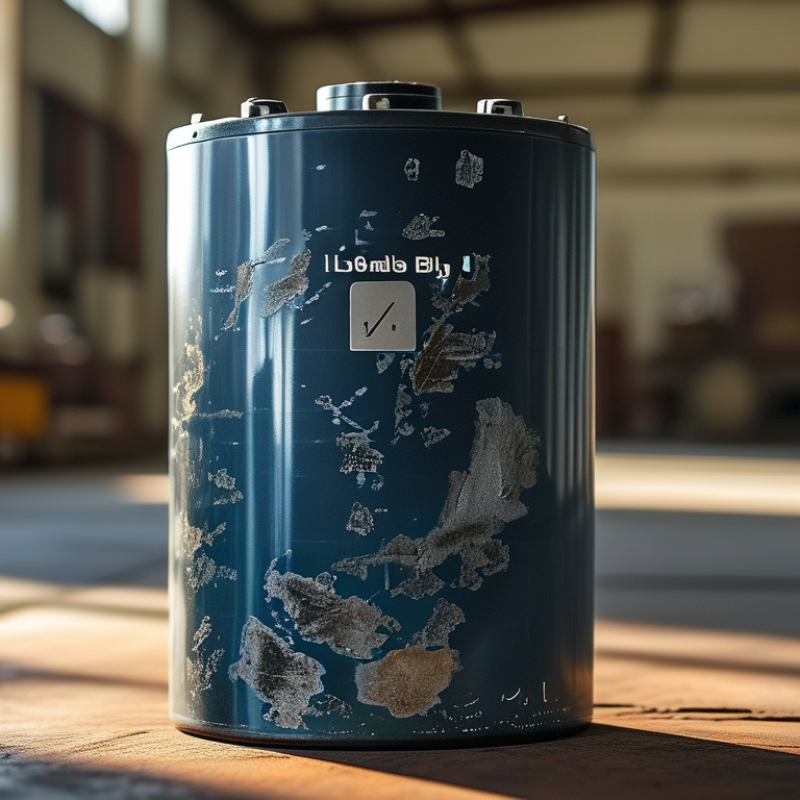
Lithium batteries are essential in our daily lives. They power everything from smartphones to electric vehicles. Understanding their chemistry is crucial to grasp why they degrade over time. Lithium-ion batteries function through the movement of lithium ions between the anode and cathode during charging and discharging. This movement is what generates energy, but it also leads to wear and tear.
Over time, the electrodes can become damaged. This deterioration affects the battery's capacity to hold a charge. Factors like temperature, charge cycles, and how the battery is used contribute to this degradation. For instance, high temperatures can accelerate the chemical reactions inside the battery, leading to faster decline.
Lithium batteries have become essential for modern technology, but they degrade over time. Understanding this degradation is crucial for maximizing performance and lifespan. Several key factors influence how and why lithium batteries lose their effectiveness.
Temperature plays a significant role in battery life. High temperatures can accelerate chemical reactions within the battery, leading to faster degradation. In contrast, extremely low temperatures can hinder performance. Maintaining an optimal temperature range is vital. Additionally, charge cycles affect battery health. Every charge and discharge cycle slightly reduces capacity. Frequent shallow discharges are less damaging than deep cycles.
Another important factor is the quality of the battery chemistry. Variations in the materials used can lead to different degradation rates. Impurities in the battery components may cause unwanted side reactions, further diminishing capacity. It’s also worth noting that age itself is a factor. Over time, batteries naturally degrade due to inevitable chemical changes. Even unused batteries can lose their capacity gradually. Understanding these aspects can help battery users make better choices in their usage and care strategies.
| Factor | Description | Impact on Degradation | Strategy to Mitigate |
|---|---|---|---|
| Charge Cycles | The number of complete charging and discharging cycles. | High usage increases wear and reduces lifespan. | Limit full discharges; use partial charging. |
| Temperature | Ambient temperature during operation and storage. | Extreme heat or cold accelerates aging. | Maintain optimal temperature conditions. |
| Depth of Discharge (DoD) | The extent to which the battery is discharged. | Deeper discharges can shorten cycle life. | Avoid deep discharges; aim for shallow cycles. |
| State of Charge (SoC) | The current charge level of the battery. | High SoC can stress battery materials. | Store at moderate SoC levels. |
| Humidity | Moisture levels in the environment. | High humidity can lead to corrosion. | Store batteries in dry conditions. |
Lithium batteries age due to several common patterns. One major factor is
electrolyte degradation. Over time, the electrolyte becomes less
effective. This reduction impacts battery efficiency and capacity.
Higher temperatures can accelerate this degradation. Regular exposure to extreme heat leads to rapid aging.
Another critical aspect is the formation of solid electrolyte interphase (SEI) layers.
These layers develop on the anode and can thicken over time. A thicker SEI layer reduces lithium-ion flow,
decreasing performance. This often happens during charging cycles. Each cycle contributes to the battery’s gradual decline.
In addition, lithium plating is a concern. This occurs during fast charging,
especially in cold temperatures. Lithium ions fail to intercalate properly, leading to metallic lithium formation. This process
not only reduces capacity but can also create safety hazards.
These patterns show the complexity of managing battery life and performance. Each aspect invites further investigation
and reflection on battery technology’s future.
Temperature and charge cycles significantly impact lithium battery life. High temperatures accelerate chemical reactions within the battery. This leads to faster degradation. For instance, charging your device in hot environments can reduce battery capacity over time. Continuous exposure to heat not only shortens lifespan, but it can also increase safety risks.
Meanwhile, charge cycles play a crucial role. A charge cycle is defined as a full discharge followed by a full charge. Each complete cycle wears out the battery's components. Lithium batteries typically withstand about 300-500 cycles before performance drops noticeably. Interestingly, partial discharges and charges are less harmful. Users often overlook this fact, opting for a full charge instead.
Understanding these factors can help users extend battery life. Yet, finding the right balance can be tricky. Many users may find themselves charging their devices frequently without awareness of how this affects long-term health. Keeping a device cool and managing charging habits are practical steps. However, changing user behavior is often challenging. Engaging with these practices might require more awareness and mindfulness.
Lithium batteries are widely used in our daily lives. However, they degrade over time due to various factors. Understanding these causes is vital for enhancing their lifespan. Research indicates that temperature extremes, overcharging, and deep discharges can accelerate degradation. A recent industry report highlights that, under extreme conditions, lithium-ion batteries can lose up to 30% of their capacity in just a few months.
Potential solutions can mitigate this degradation. Implementing temperature management systems in devices can help maintain optimal conditions. This could reduce the rate of chemical reactions that lead to capacity loss. Additionally, adopting smart charging technologies can prevent overcharging, which is a major contributor to battery wear. Studies show that using these technologies can double the lifespan of lithium batteries.
Tip: Regularly check device temperatures during charging.
Another solution involves the development of advanced battery chemistry. Researchers explore alternatives, such as solid-state batteries, to enhance durability. These innovations promise to improve efficiency while reducing wear and tear on the battery.
Tip: Avoid letting the battery level drop below 20%.
Implementing these strategies can result in significant improvements to battery longevity. Continuous research and monitoring are essential for maximizing the performance of lithium batteries in the long run.
: High temperatures speed up chemical reactions, causing faster degradation. Low temperatures can reduce performance.
A charge cycle is a full discharge followed by a full charge. Each cycle decreases battery capacity.
Lithium batteries can usually handle about 300-500 cycles before noticeable performance drops.
Yes, partial charges and discharges are less damaging than complete ones. Users often ignore this benefit.
Yes, even if unused, batteries lose capacity gradually. This is due to inevitable chemical changes.
Variations and impurities in materials can lead to different degradation rates. This affects overall battery health.
Maintaining proper temperature, managing charge habits, and avoiding high heat can help preserve battery life.
No, changing how users charge devices requires awareness and mindfulness, which can be challenging.
Continuous heat exposure not only shortens battery lifespan but can also pose safety risks.
As batteries age, they naturally degrade due to chemical changes, affecting their performance over time.
Understanding why do lithium batteries degrade over time involves exploring the fundamental chemistry behind their operation and the various factors that contribute to their aging process. Key elements affecting degradation include the battery's chemistry, cycling behavior, and environmental conditions. Over time, common aging patterns manifest such as capacity loss and increased internal resistance, primarily driven by repeated charge and discharge cycles and exposure to extreme temperatures.
Temperature fluctuations and the number of charge cycles are critical in determining battery lifespan. Higher temperatures can speed up chemical reactions within the battery, leading to quicker degradation. To combat these challenges, potential solutions may include optimizing charging practices, maintaining stable operating temperatures, and utilizing advanced battery management systems. Understanding these aspects is crucial for maximizing lithium battery performance and longevity.

Volt Power