Volt Power
1 / 5

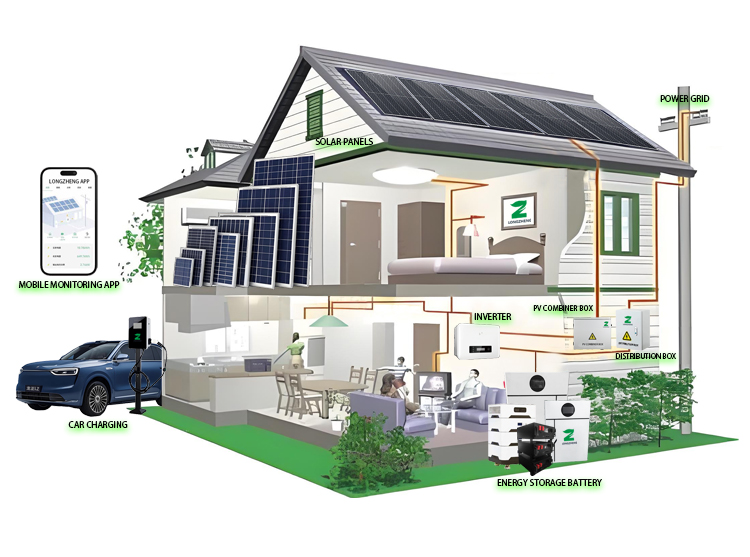
The core component, currently dominated by lithium-ion batteries, especially lithium iron phosphate batteries, which are preferred due to their high safety and long cycle life.
The "brain" of the battery, responsible for monitoring battery status (voltage, temperature, charge), balancing cells, providing safety protection, and managing battery life.
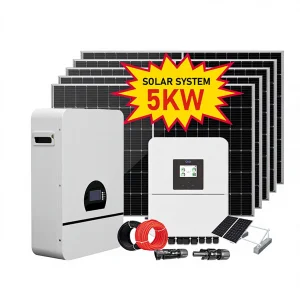
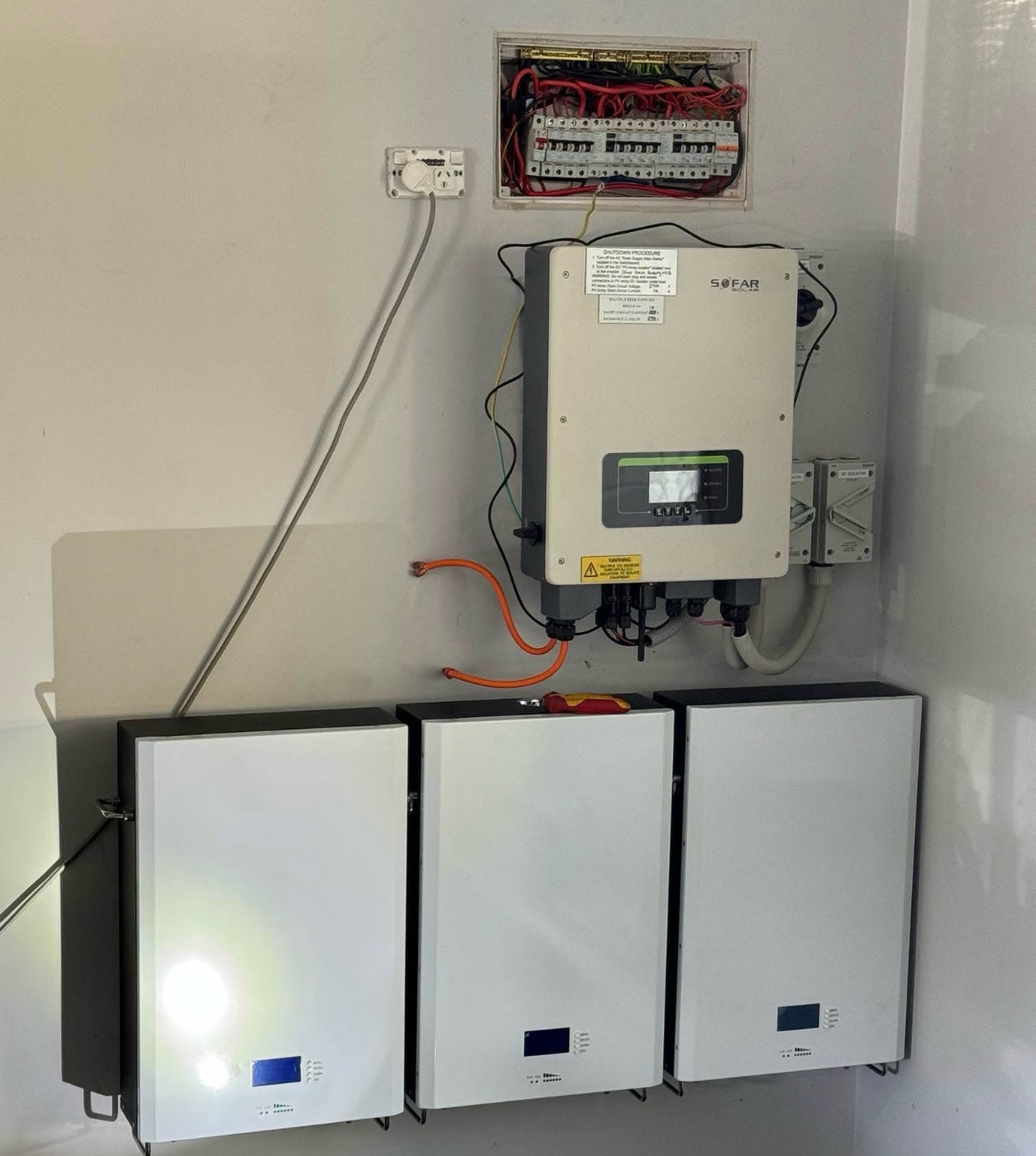
Converts the DC power stored in the battery into AC power usable in the home. Often used in conjunction with photovoltaic systems, it is called a "hybrid inverter," which can simultaneously manage photovoltaic power generation, battery charging and discharging, and the power grid.

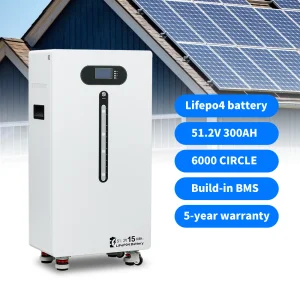
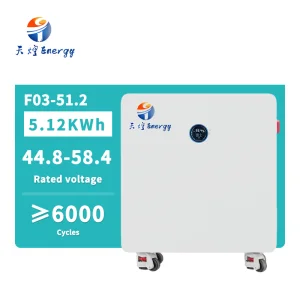
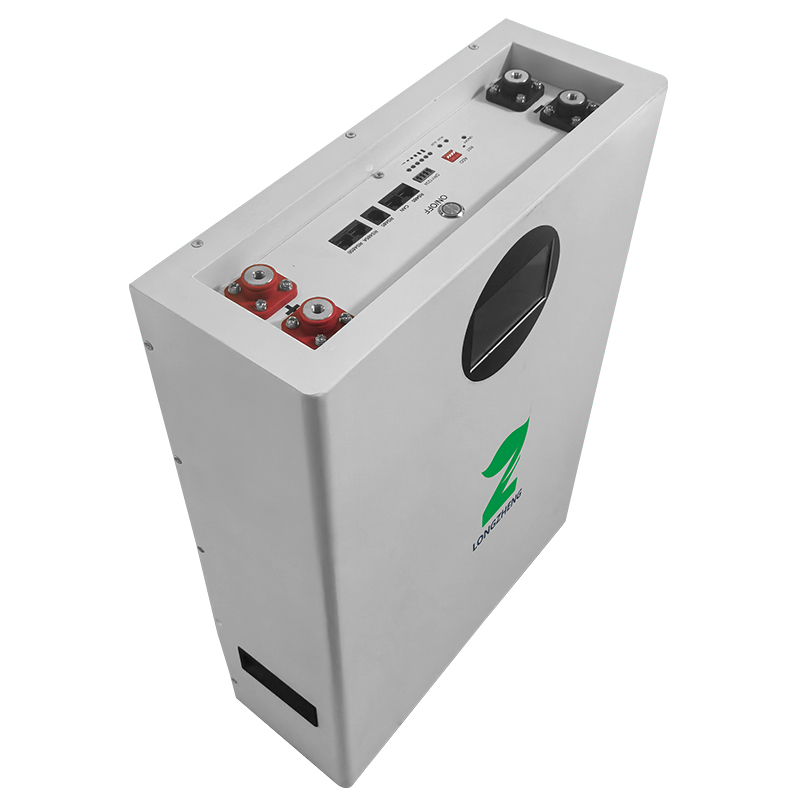
| Grid connection | Hybrid grid, Off grid | Battery Type | LiFePO4 |
| Battery capacity | 5KWh | System Voltage | 51.2V |
| System Type | Wall Mounted | Model Number | LZWMB005 |
| Type | SPLIT | Communication Port | CAN, Rs485, RS-232 |
| Protection Class | IP65 | Celltype | LiFePO4 |
| Life span | 15years | OEM/ODM | acceptable |
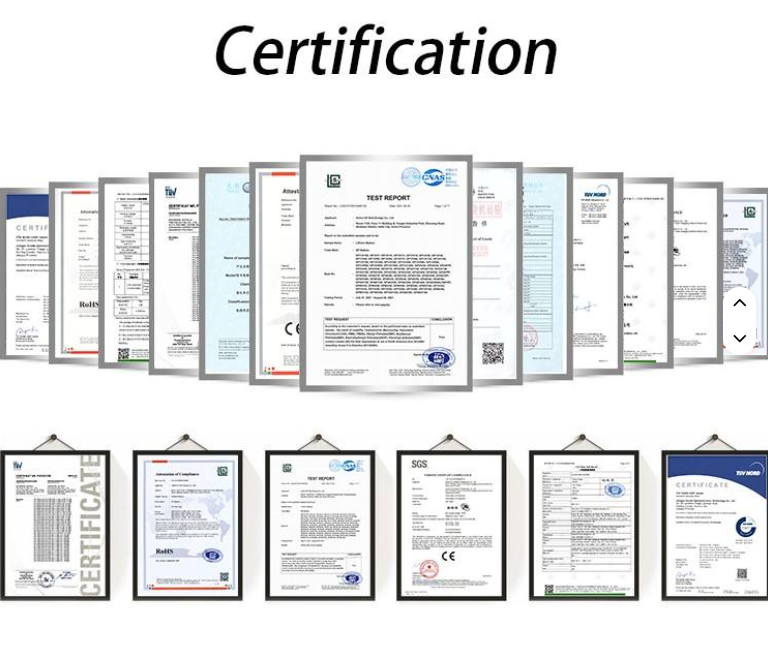
| Authentication | CE/RoHS/UN38.3/MSDS | Maximum load | 5 |
| Cycle life | 8500+ | Operating(℃) | -20C-60℃ |

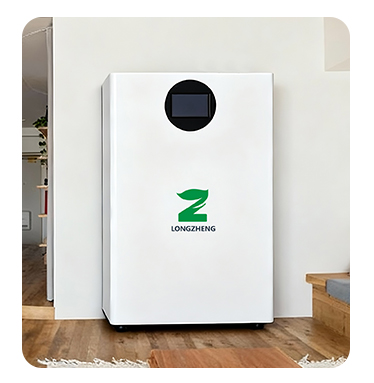
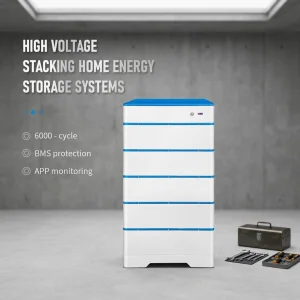
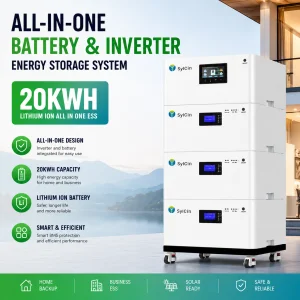
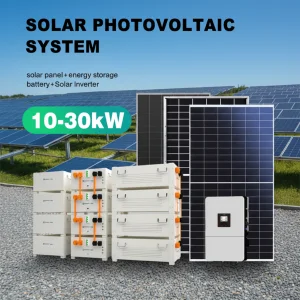
Modular Design: Multiple units can typically be connected in parallel, expanding capacity as needed, offering flexible installation.
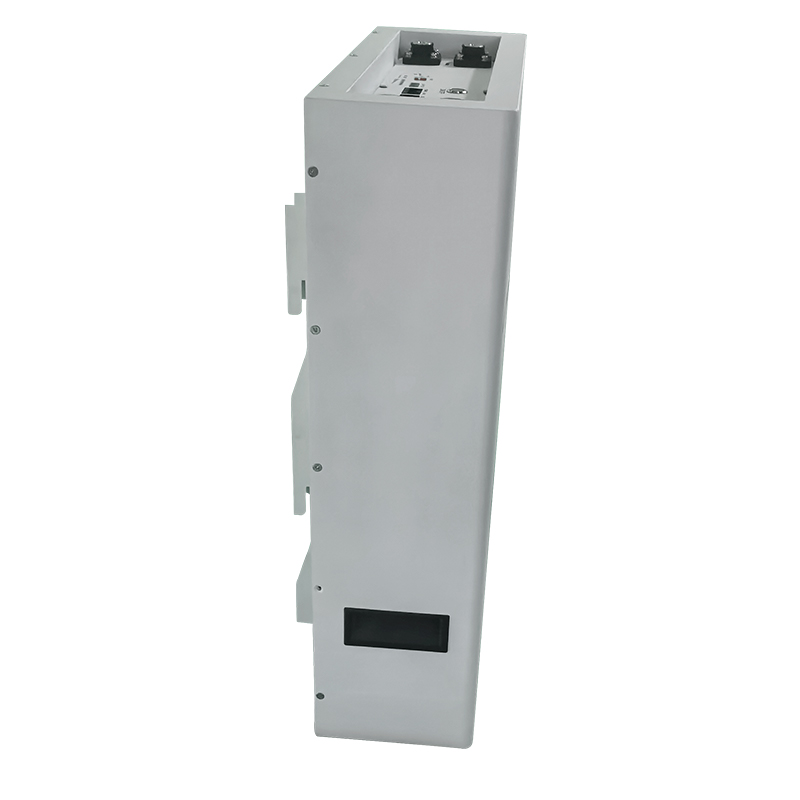
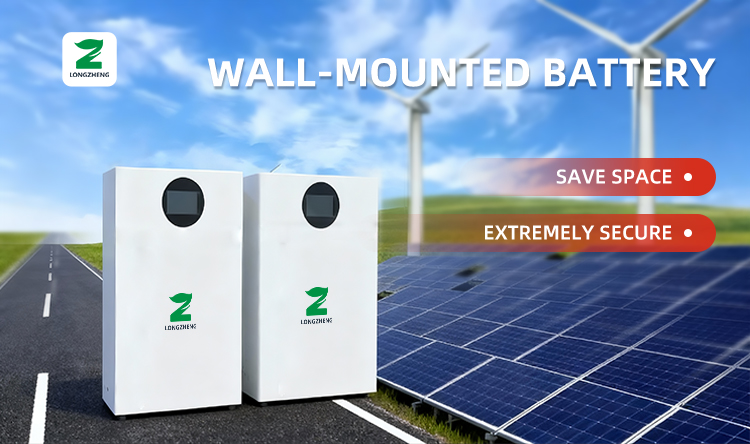
Space Saving: Wall-mounted installations do not occupy floor space, making them especially suitable for homes with limited space.
Intelligent Management: Real-time monitoring of battery level, charging/discharging status, and revenue via a mobile app, with mode settings available.
Safe and Reliable: Utilizes inherently safe cells (such as LFP), featuring multiple electrical protections and thermal management, meeting stringent safety standards.
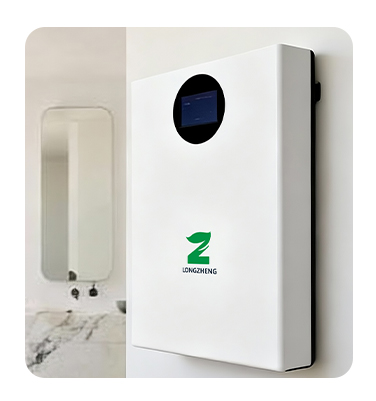
Market Demand: Market demand is growing rapidly against the backdrop of rising global energy prices, frequent power outages due to extreme weather, and accelerated home electrification (such as electric vehicles and heat pumps).
Define Needs: Is the primary purpose backup power, saving on electricity bills, or maximizing solar photovoltaic revenue?
Determine Capacity: Calculate the required battery capacity (common unit: kWh) based on daily household electricity consumption, critical load power, and expected backup time.
Technology Trends: Battery energy density continues to improve, while costs decrease year by year; intelligent energy management algorithms are becoming increasingly optimized.