Explore the flagship lithium battery configurations engineered for uninterrupted telecommunication network stability, renewable integration, and high reliability.
Mapping the transition from VRLA technologies to smart LiFePO4 ecosystems in next-generation telecom networks.
Next-generation 5G macro stations and microcells require 2 to 3.5 times more operational power than traditional 4G LTE architectures, prompting high-density infrastructure investments.
Telecom operators are integrating solar photovoltaic (PV) setups and wind systems into remote tower stations, drastically reducing rely-on-diesel operational models.
Unreliable utility grids globally drive the commercial adoption of modular, hot-swappable telemetry batteries to maintain operational service levels (99.999% uptime).
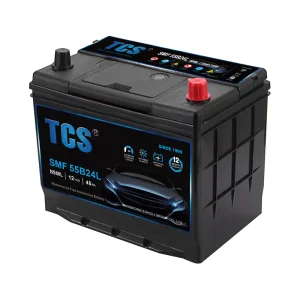
The global telecommunication sector is experiencing a monumental transformation in power infrastructure. The migration from Valve-Regulated Lead-Acid (VRLA) batteries to advanced Lithium Iron Phosphate (LiFePO4) systems has transitioned from an optional technology upgrade to a critical operational strategy. Telecommunication base transceiver stations (BTS) act as the backbone of modern digital connectivity, requiring continuous backup power. Due to the high heat sensitivity and low cyclic capacity of traditional lead-acid batteries, operators in high-temperature regions, such as Africa, Latin America, and Southeast Asia, face astronomical operational expenditure (OPEX) from routine replacements and cooling energy consumption.
"Global telecommunications tower operators (TowerCos) are shifting from energy-consumers to smart-nodes, leveraging modular high-voltage energy storage systems (ESS) to participate in grid frequency response, peak-shaving, and off-grid hybrid solar operations."
Moreover, the integration of edge computing capabilities directly inside central offices and distributed antenna systems (DAS) introduces unique density challenges. Telecom power cabinets demand lightweight, high-energy-density racks that can scale dynamically within limited real estate footprint. Advanced battery packs with built-in smart Battery Management Systems (BMS) enable unified remote monitoring, predictive diagnostics, and multi-tenant billing models for shared tower infrastructures.
Cycle Life @80% DoD
Years Design Life
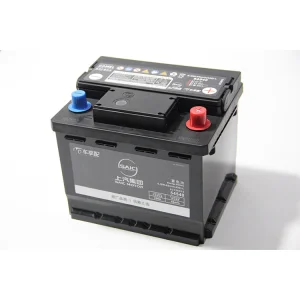
Weight of Lead-Acid
BMS Round-Trip Eff.
Inside China's lithium capital ecosystems: How precision automation and material clustering lower TCO for worldwide operators.
China holds a commanding leadership position in the lithium battery supply chain, accounting for over 70% of global cell production capability. The integration of advanced raw material processing, automated cathode/anode production, and robotic cell-assembly clusters within industrial hubs provides unmatched technological and financial advantages. As a primary hub, manufacturers like Ningbo Volt Power Co., Ltd. capitalize on the strategic localization of material refineries, battery management system (BMS) developers, and specialized thermal enclosure manufacturers to deliver high-quality, customized telecom battery configurations.
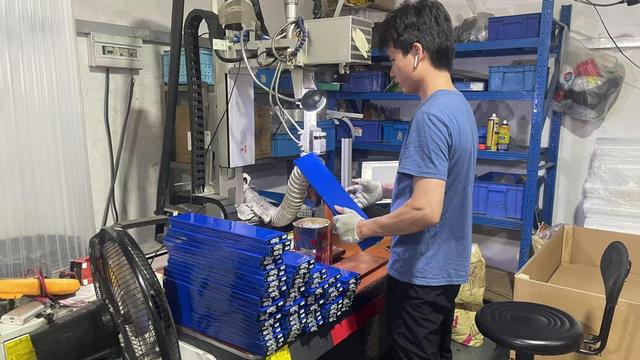

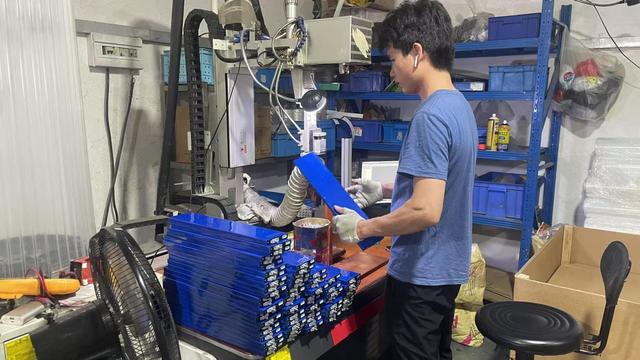
China's factory efficiency relies heavily on high-precision automation, ensuring consistency at the individual cell chemistry level. Cell capacity sorting, internal resistance screening, and automated laser welding are fully integrated via manufacturing execution systems (MES). This deep control over cell consistency minimizes imbalance issues, preventing premature pack degradation and extending operating cycles beyond 6,000 charges. In addition, logistics infrastructure, including proximity to deep-water shipping lanes like Ningbo-Zhoushan port, guarantees rapid delivery times for large-scale energy projects worldwide.
Custom configurations engineered to perform in the planet's most challenging environmental conditions.
Environment: Daily ambient temperatures peaking over 50°C. Solution: Active thermal protection, PCM (Phase Change Material) cooling liners, and LiFePO4 chemistry designed to survive high-thermal stress without thermal runaway.
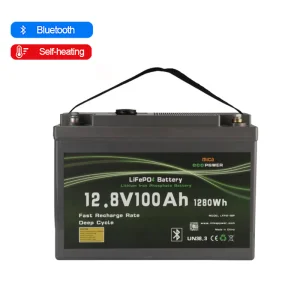
Environment: Temperatures dropping to -40°C. Solution: Smart BMS integrated with internal electric heating elements. Internal power dynamically warms up cells before initiating charging to avoid lithium plating.
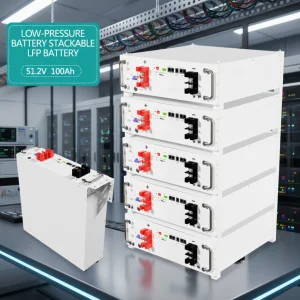
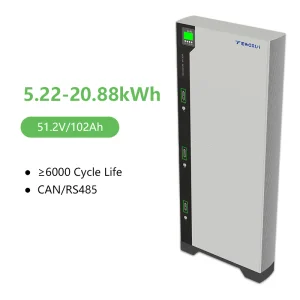
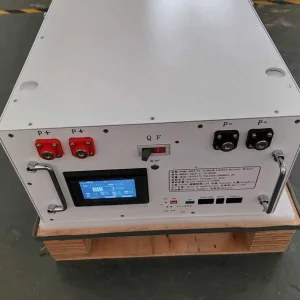
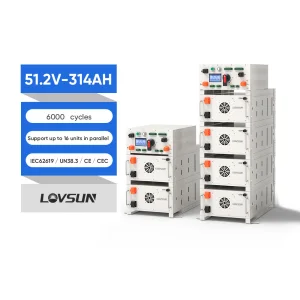
Environment: High-density, space-constrained installations. Solution: High-density rack-mount LFP solutions. Slim 1U, 2U, or 3U enclosures fitted with remote Cloud-BMS monitoring via Bluetooth or CAN/RS485 modbus protocols.
Unlocking greater efficiency through advanced cell architectures, state-of-charge algorithms, and structural design.
The telecommunications power landscape is shifting from passive energy storage to active system participation. Key structural and chemical innovations are reshaping the next decade of backup power design:
By substituting the standard liquid electrolyte with a semi-solid, highly conductive polymer matrix, manufacturers are unlocking energy densities exceeding 280 Wh/kg while achieving exceptional cycle safety. Semi-solid structures minimize the risk of dendrite formation, removing a key cause of cell failures.
Modern data centers and central telecom nodes are transitioning from 48V systems to high-voltage architectures (up to 380V or higher). High-voltage networks minimize distribution copper loss, increase transmission efficiency, and allow direct connection to HVDC battery banks, reducing energy transformation steps.
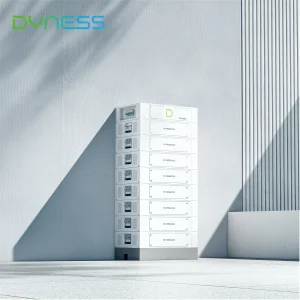
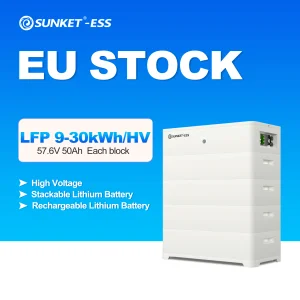
SEO Technical Insight: Integrating high-voltage (HV) battery setups like the Dyness Stack100 with high-capacity 51.2V telecom rack systems enables cellular network operators to scale storage capacity up to hundreds of kilowatt-hours dynamically without adding complex distribution gear.
Modern BMS are evolving beyond basic overcurrent and overvoltage protections. Incorporating Machine Learning (ML) algorithms on cloud monitoring platforms allows operators to analyze cell-level impedance variations, forecast thermal runways weeks in advance, and balance capacity dynamically across different modules to maximize service life.
Strategic criteria used by tier-1 operators to evaluate energy storage partners.
Procuring power solutions for large-scale telecom infrastructures demands strict evaluation beyond initial capital expenditure (CAPEX). Global telecommunications operators, EPC contractors, and system integrators base decisions on long-term Total Cost of Ownership (TCO), compliance, and production flexibility:
Your premier partner for advanced lithium-ion and LiFePO4 battery solutions.
Ningbo Volt Power Co., Ltd. is a professional China lithium battery manufacturer specializing in energy storage systems, solar batteries, and advanced power solutions for residential, commercial, industrial, and renewable energy applications. With a strong focus on innovation, safety, and energy efficiency, we provide reliable lithium battery technologies that help customers achieve sustainable and dependable power management.
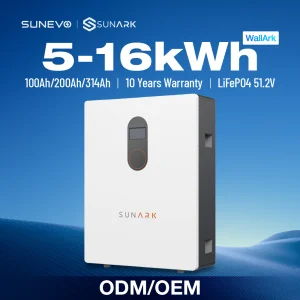
Our product portfolio includes lithium-ion batteries, lithium iron phosphate (LiFePO4) batteries, solar energy storage batteries, residential energy storage systems, commercial battery solutions, backup power systems, high-voltage battery packs, renewable energy storage solutions, and customized battery systems. Designed to meet the growing demand for clean energy and intelligent power management, our products are widely used in solar energy projects, telecommunications, industrial facilities, electric mobility applications, and off-grid power systems.
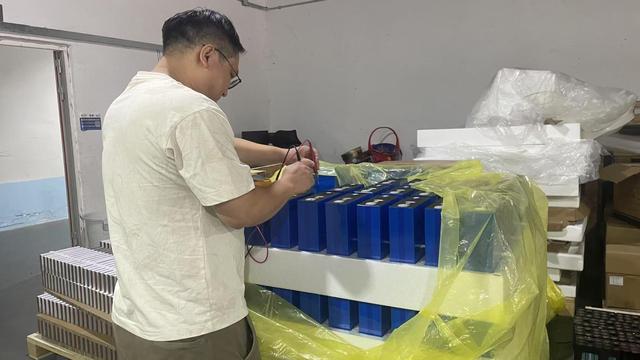
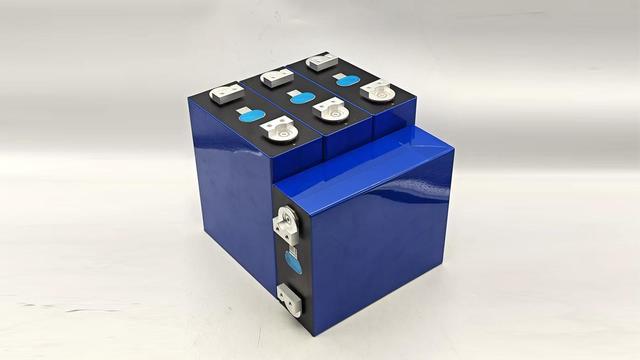
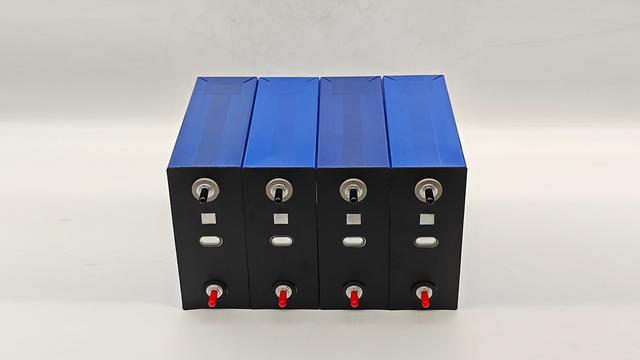
At Volt Power, we combine advanced battery engineering with modern manufacturing capabilities to deliver products that offer high energy density, long cycle life, excellent safety performance, and reliable operation. Our experienced research and development team continuously invests in battery innovation, energy storage technologies, and battery management systems to support the evolving needs of global energy markets.
Quality and safety are fundamental to our operations. Our manufacturing facility operates under strict quality management procedures, covering material selection, cell integration, battery assembly, testing, and final inspection. Every battery system undergoes comprehensive performance and safety testing to ensure dependable operation under demanding conditions.
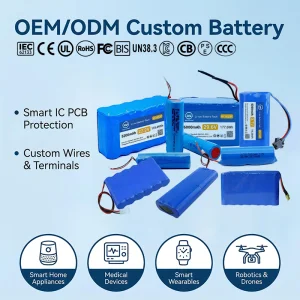
In addition to standard battery products, Ningbo Volt Power Co., Ltd. provides flexible OEM and ODM services for energy companies, distributors, project developers, equipment manufacturers, and private-label brands. Our customized solutions are designed to meet specific voltage, capacity, application, and performance requirements.

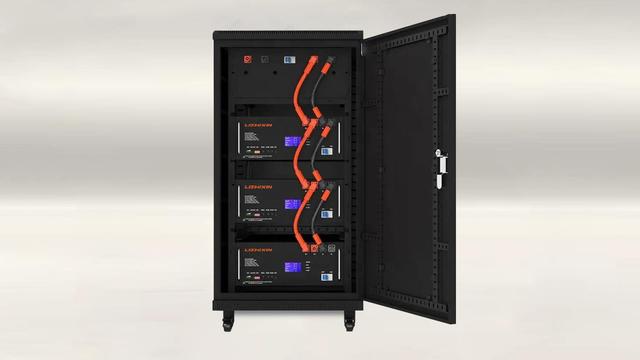
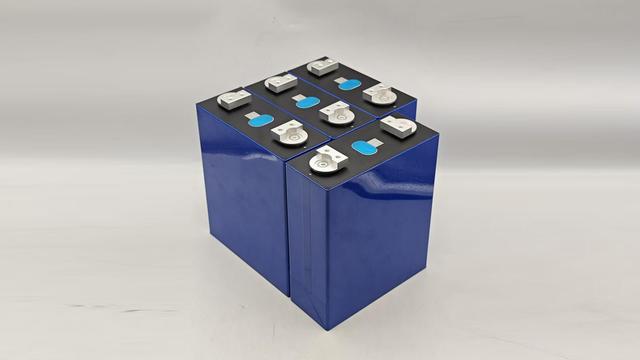
Serving customers across North America, Europe, Southeast Asia, Australia, the Middle East, and other international markets, Volt Power is committed to delivering high-quality lithium battery solutions, competitive value, and professional customer support. Our mission is to become a trusted global partner in energy storage technology, helping customers power a more efficient, sustainable, and energy-independent future.
Browse our localized stock allocations and heavy-duty industrial applications engineered for quick delivery and massive scalability.
Direct technical explanations to help procurement directors make informed infrastructure decisions.
LiFePO4 (Lithium Iron Phosphate) offers superior thermal and chemical stability compared to NMC (Nickel Manganese Cobalt), making it highly resistant to thermal runaway under high temperatures. Compared to traditional Lead-Acid, LiFePO4 batteries are lighter, support deep discharges (up to 90%+ DoD), and achieve over 6,000 cycles, providing a significantly lower Total Cost of Ownership (TCO).
For seamless integration with remote base station monitoring systems and central telemetry servers, a smart BMS must support standard interfaces. The most common protocols are RS485, RS232, and CAN bus. This connectivity allows real-time monitoring of Cell Voltage, State of Charge (SoC), State of Health (SoH), temperature, and active error warnings.
Direct parallel connection of different battery packs requires careful management. A built-in cell-balancing circuit and smart parallel management controls are necessary to regulate inrush currents caused by voltage differences. For large installations, using modular rack systems designed specifically for high-voltage and high-current scaling is recommended.
We provide full-service customization support from start to finish. Our engineering team designs custom sheet-metal cabinets, optimizes thermal management configurations, programs custom BMS protection parameters, and implements specific brand labeling to align with your regional market requirements and performance demands.
 Volt Power