Company Profile
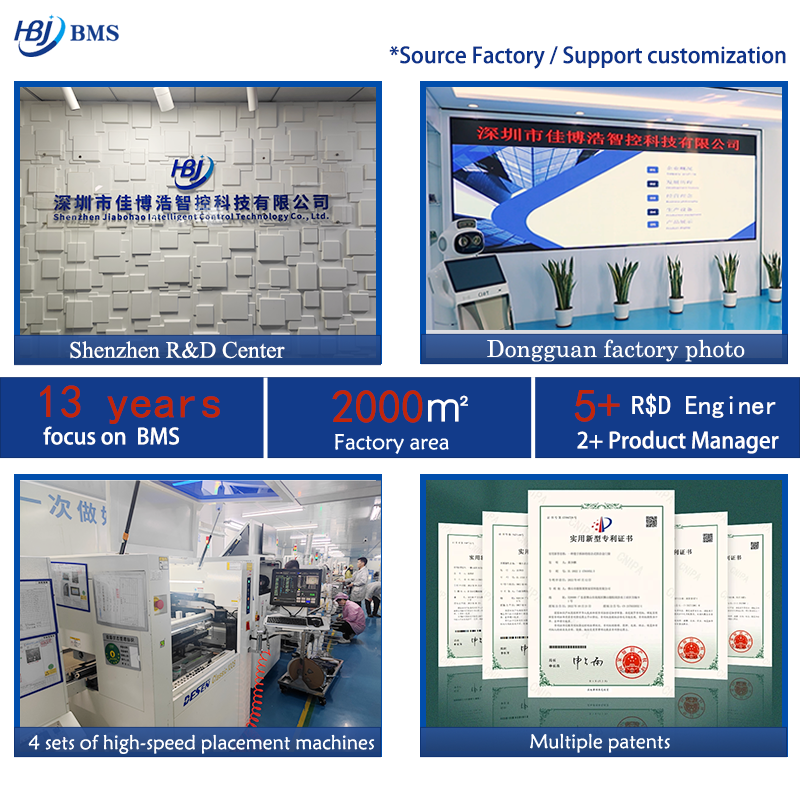
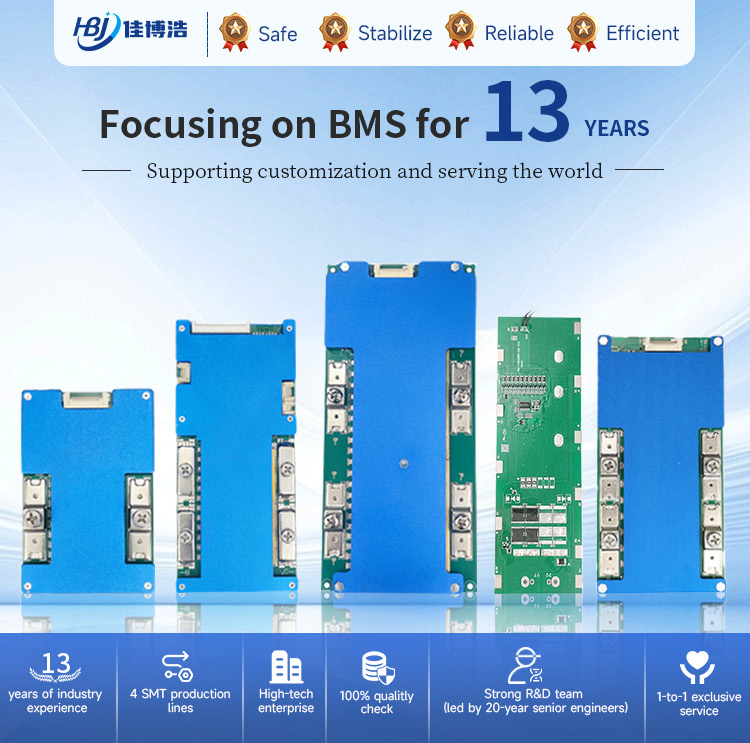
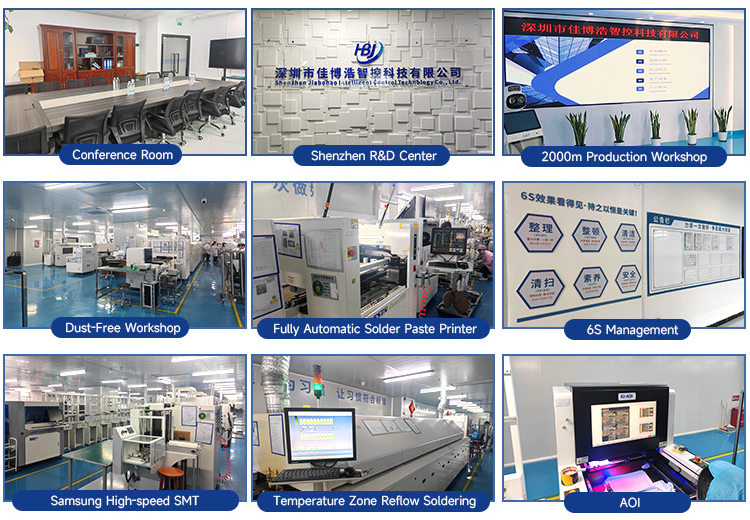
We are a high-tech enterprise specializing in the research, development, production and sales of lithium battery protection boards (BMS). We are committed to providing customers with safe, stable, reliable and efficient lithium battery protection solutions to meet the growing demand for the new energy market.
Our Mission: Through continuous technological innovation and excellent customer service, and adhering to the business philosophy of "making things new, virtue and people", we are committed to becoming a pioneer in the field of lithium battery protection (BMS), providing customers around the world with high-quality products and services, and promoting the sustainable development of the new energy industry.
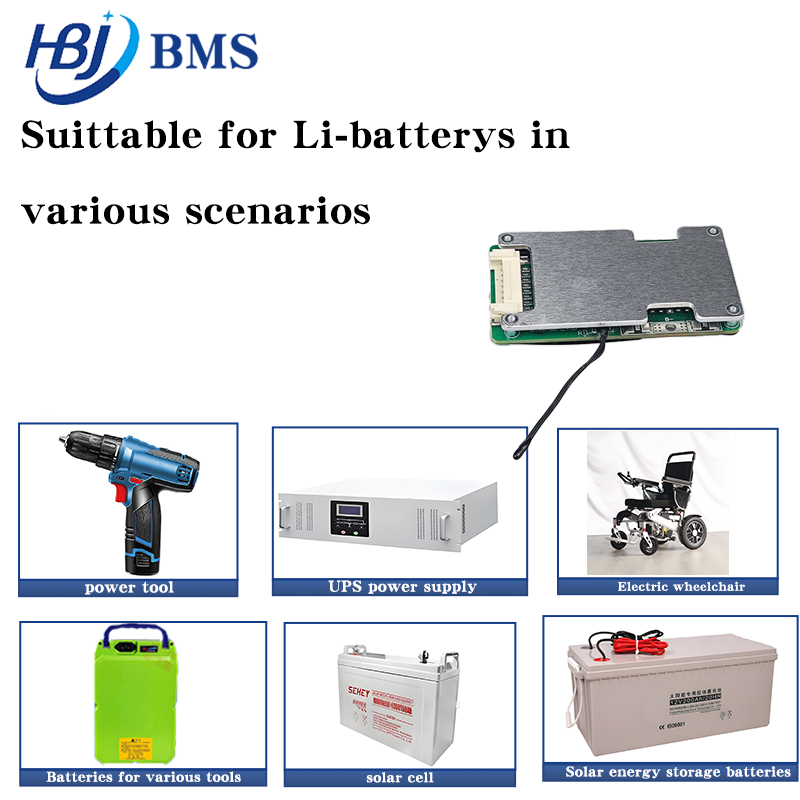
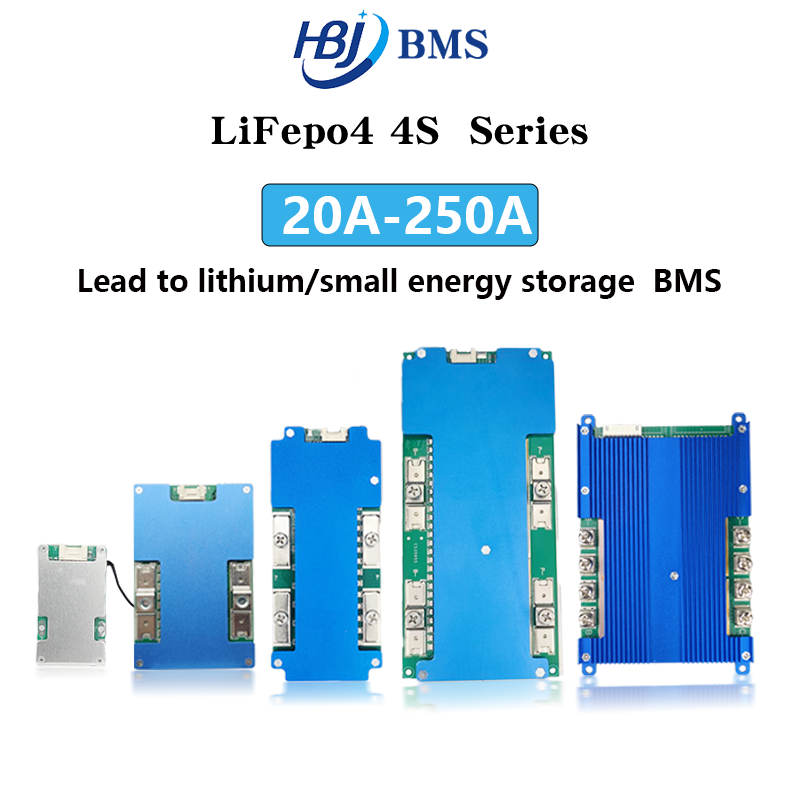
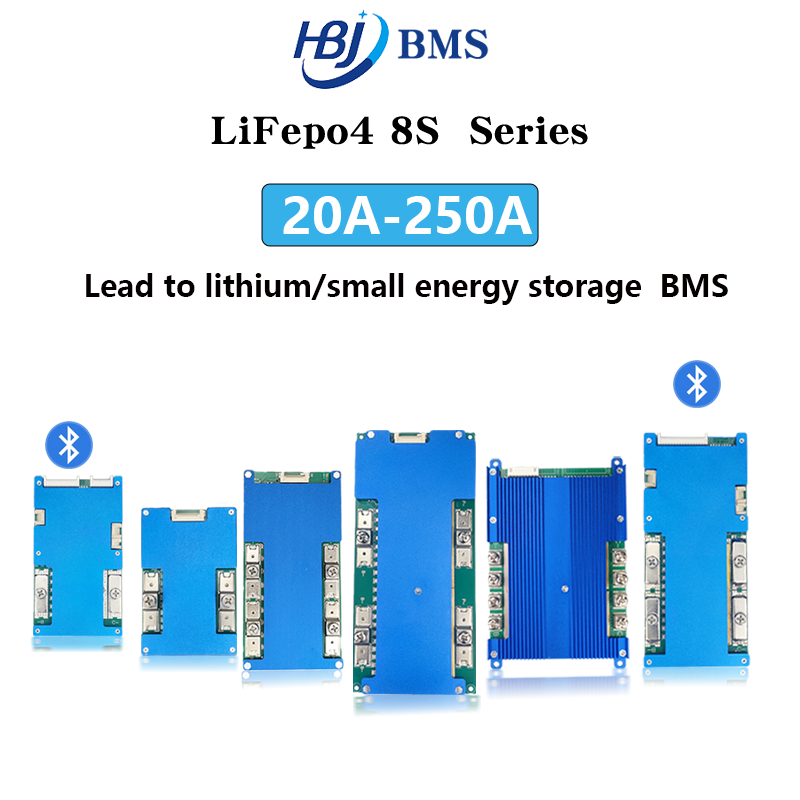
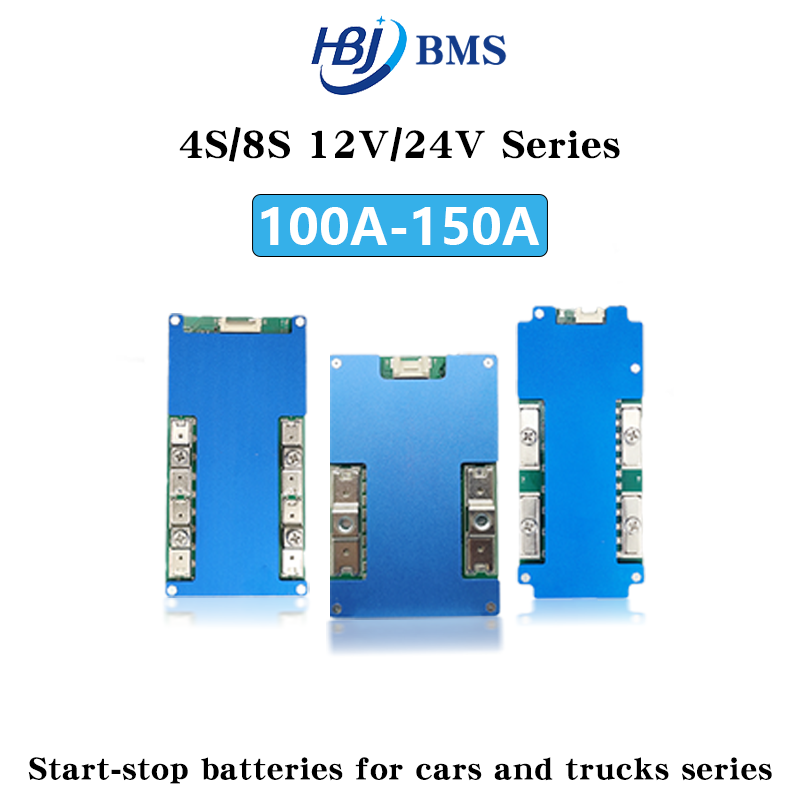
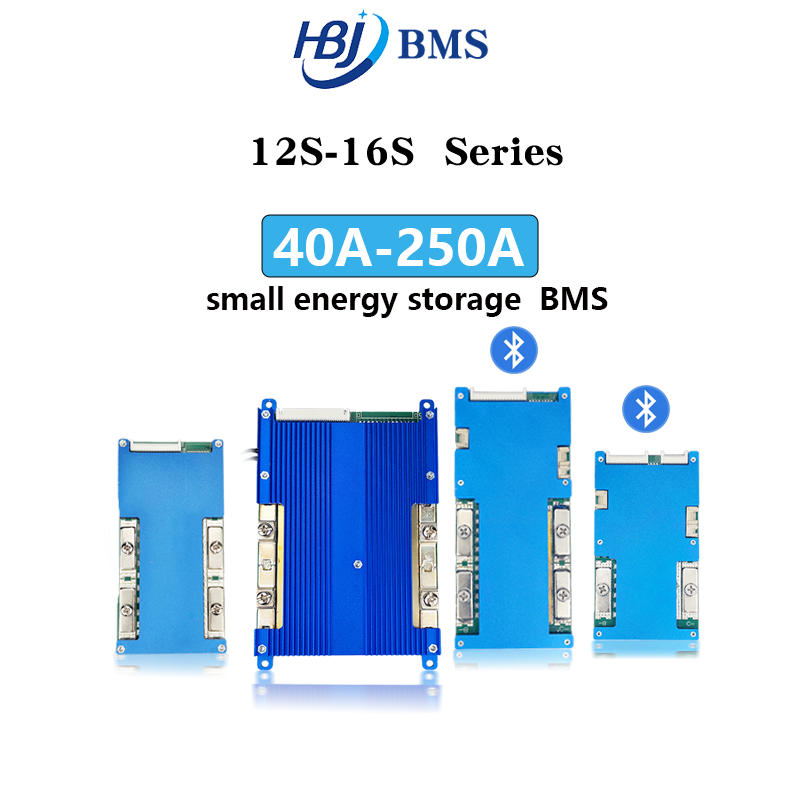
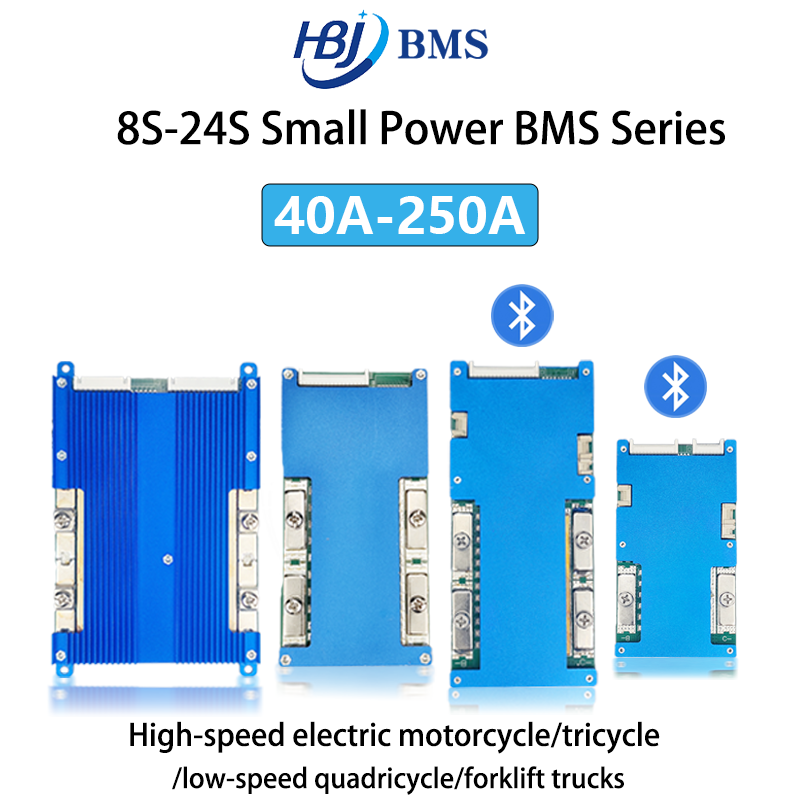
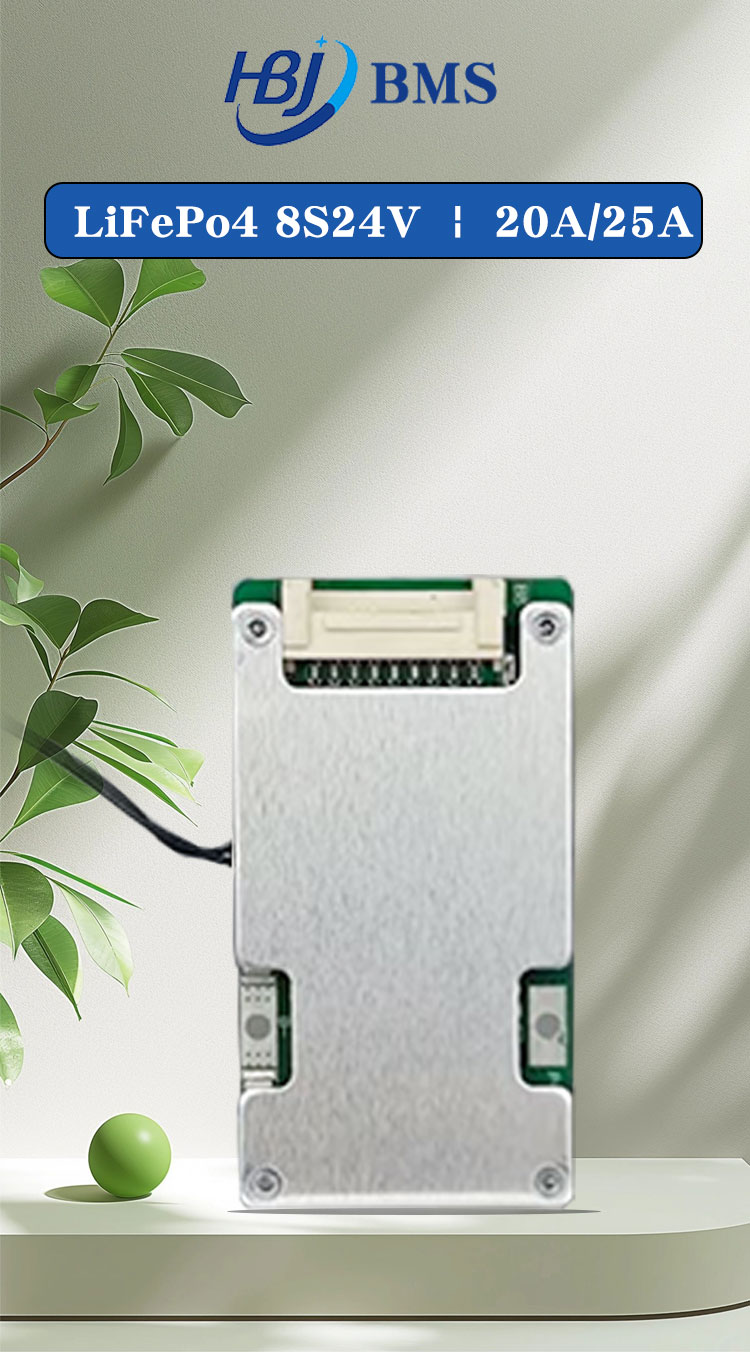
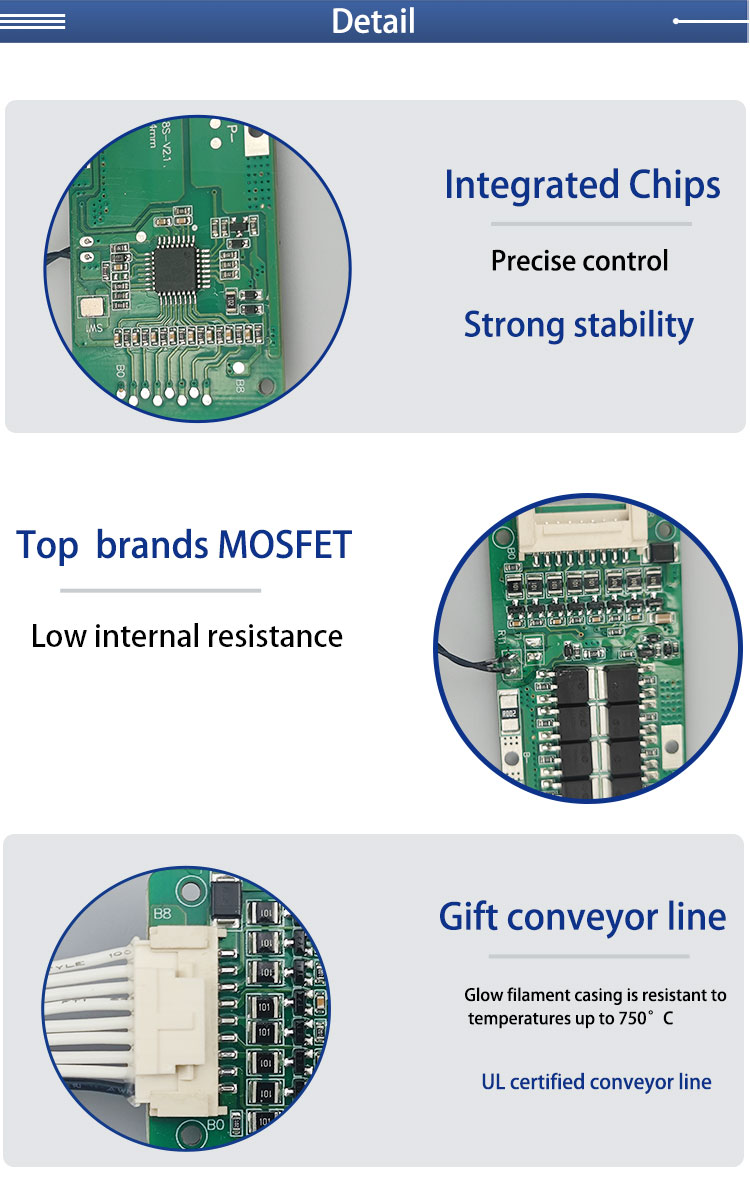
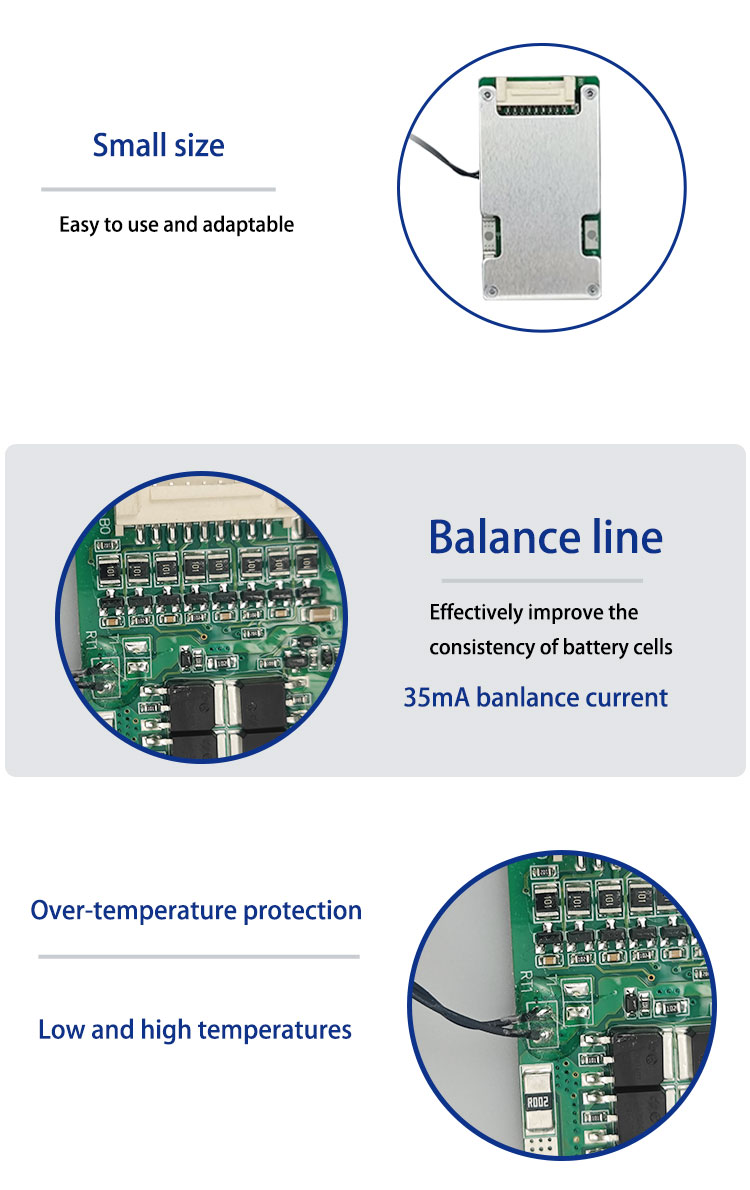
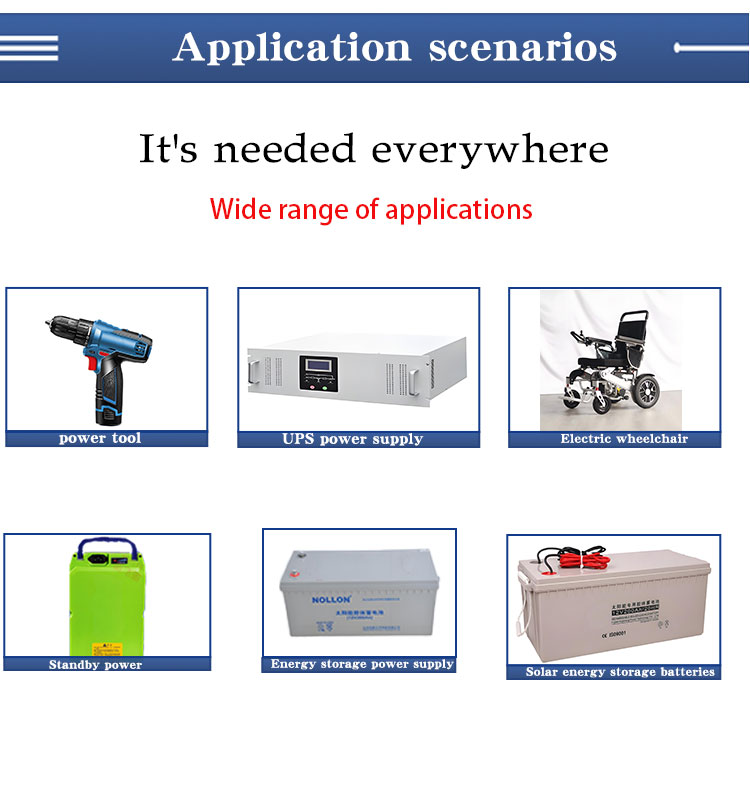
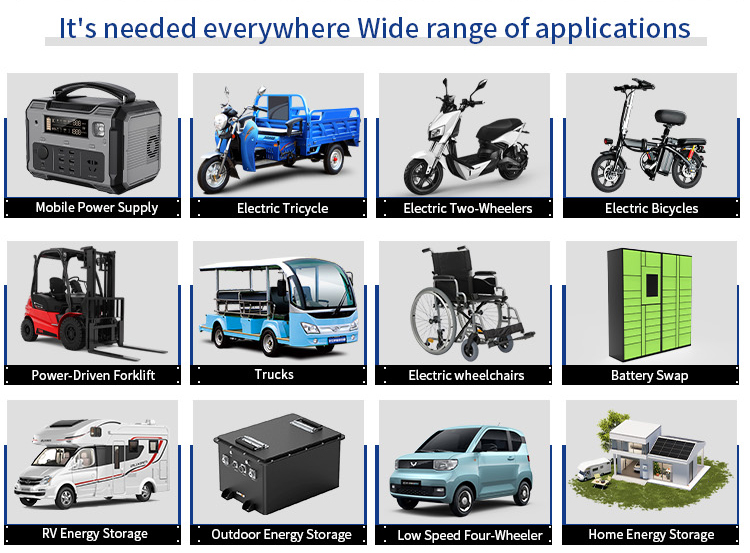
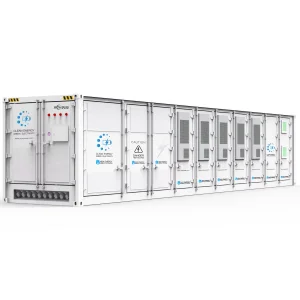
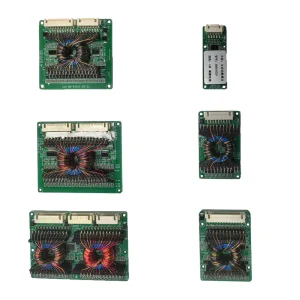
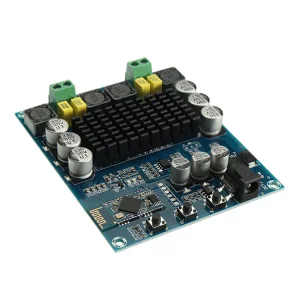
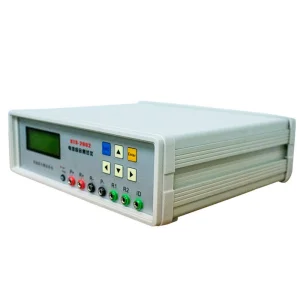
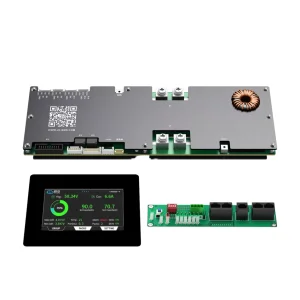
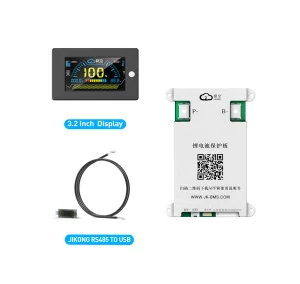
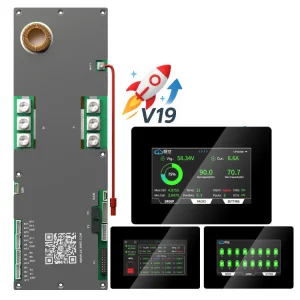
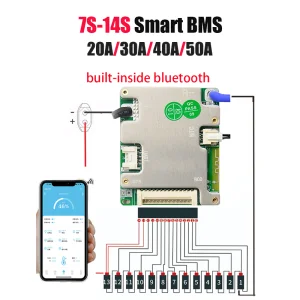
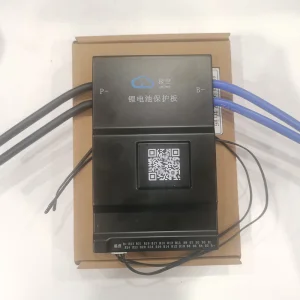
Products and Technology: Our products cover hardware protection boards and software protection boards (smart BMS) for lithium batteries with 3-26 strings and 15-250A continuous operating current. Widely used in electric two-wheeled vehicles, electric tricycles, sightseeing cars, golf carts, low-speed four-wheeled vehicles and other types of lithium battery systems, as well as wind and solar energy storage systems, UPS backup power, car starter power supply, emergency starter power supply, mining emergency equipment, solar street lamps and other fields.
R&D Strength: Our research and development team features senior engineers with 20 years of experience in the industry and university product managers, bringing rich practical experience and deep expertise in the field of lithium battery protection technology. We have our own capacitive active equalization patent technology.
Logistics Packaging & Payment Method
Delivery Time
Shipment within 3-7 days after placing an order; no shipments will be made on Sunday. The delivery time of customized or batch products is subject to the actual agreed delivery date. For other special circumstances and statutory holidays, we will deliver the goods within the time specified by the platform.
About Logistics
You can choose the logistics method yourself, and the freight will be automatically converted.
About Warranty
From the date of purchase, the product is guaranteed free of charge within one year under normal use, and the round-trip freight needs to be borne by the user.
Data About the Product
The data description pictures and statistical data texts of all products come from internal testing; measurement results or reports are for reference only. The actual object shall prevail.
Q
How do I know what material or type my battery is?
Please look at your battery body. If the normal voltage (platform voltage) of your battery shows 3.2V, the battery is LiFePo4. If the normal voltage (platform voltage) of your battery shows 3.6V or 3.7V, the battery is a Li-ion or Li-polymer battery.
Q
Is this BMS suitable for my battery?
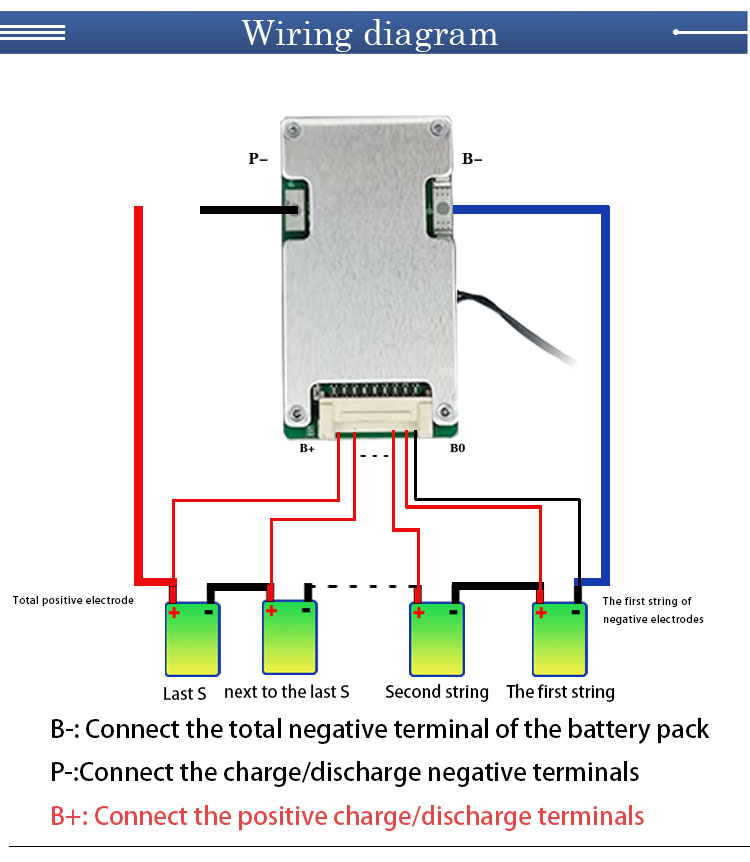
First, please confirm how many series cells are in your battery pack. The BMS you buy must be the same series as your battery pack. Then, please specify the working current required. We will help choose the best suitable model for you.
Q
What type of charger should I choose?
Lithium batteries must use a specific charger. Do not use a charger designed for Lead-acid batteries, as they may cause high-pressure breakdown and damage the BMS over-charge protection. LiFePo4 charger voltage = battery string No. x 3.6V, while Li-ion charger voltage = battery string No. x 4.2V.
Q
What current rating (Amps) should I choose for the BMS?
It depends on the motor power and controller current limit of your electric vehicle. For example, less than 250W choose 15A, less than 500W choose 20A, and less than 800W choose 30A. If it is more than 1000W, custom configuration is needed. The protection current must not be less than the controller current limit.
Q
What is the difference between a Common port and a Separate port?
Take a 10S 36V 20A BMS as an example: Common port 20A means your charge cathode and discharge cathode are connected at the same end point and share the same connection port, so both the charge and discharge current are 20A. Separate port means they are separately connected to the charge cathode (C-) and discharge cathode (P-), allowing different charge and discharge currents (e.g., 20A discharge, 5A charge).
Q
Is there a relationship between battery capacity and BMS current?
There is no direct relationship between battery capacity and BMS current. A larger capacity does not mean you need a larger current rating. It depends entirely on the continuous working current of the engine/motor. If your motor is powerful, you should choose a BMS with a high current rating, regardless of the overall battery capacity.
Q
How can I determine if the BMS is damaged?
To judge if the BMS is damaged, please test the voltage of each cell using a voltmeter. If the cell voltage difference exceeds 1.0V, the fault might be with the cells (e.g., short range, no start-up power, short charge time). If the BMS itself is damaged, it will usually display as being unable to charge or discharge while the battery pack itself holds voltage.
 Volt Power