1. What type of charger should I choose?
Lithium batteries must use a specific charger. Do not use chargers designed for Lead-acid batteries, as lead-acid chargers may have MOS with high pressure breakdown protection, which will not protect the BMS from overcharging. LiFePO4 battery charger voltage = battery string No. x 3.6V, while Li-ion battery charger voltage = battery string No. x 4.2V.
2. What is the relationship between battery capacity and BMS current?
There is no direct relationship between battery capacity and BMS current. A larger capacity does not automatically require a larger current BMS. Instead, it relies on the continuous current requirements of your motor/application. If your engine is powerful, you should choose a high current BMS regardless of the battery capacity.
3. How can I tell if my BMS is damaged?
To diagnose if the BMS is damaged, please test each cell voltage with a voltmeter. If the cell voltage difference is over 1.0V, the fault is generally caused by the battery cells (displaying symptoms like short range, lack of power at startup, or short charging time). A damaged BMS typically presents as no charge, no discharge, or no discharge when the battery still holds voltage.
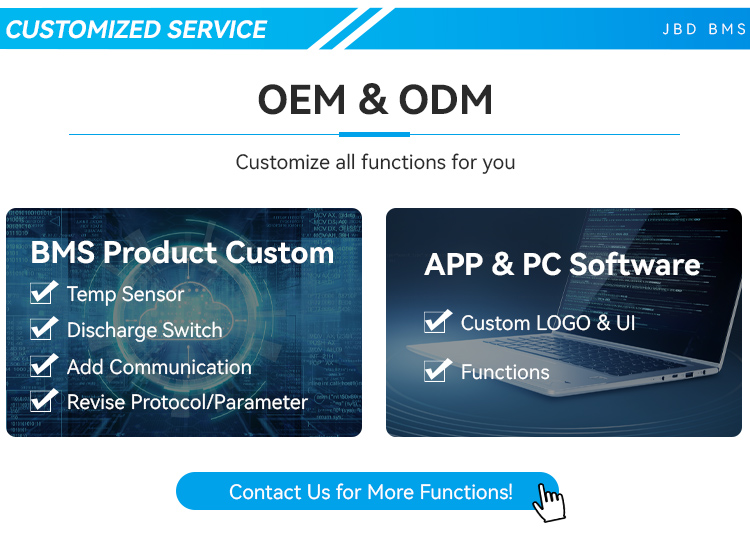
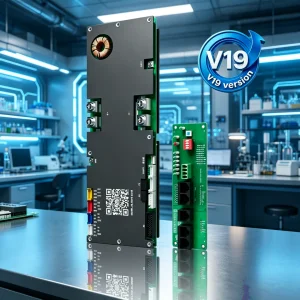
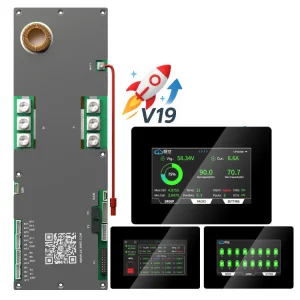
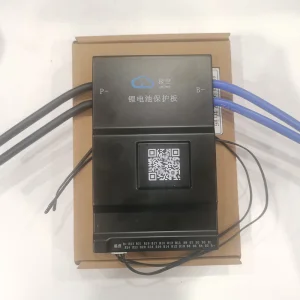
4. Do you produce Hardware BMS or Smart BMS?
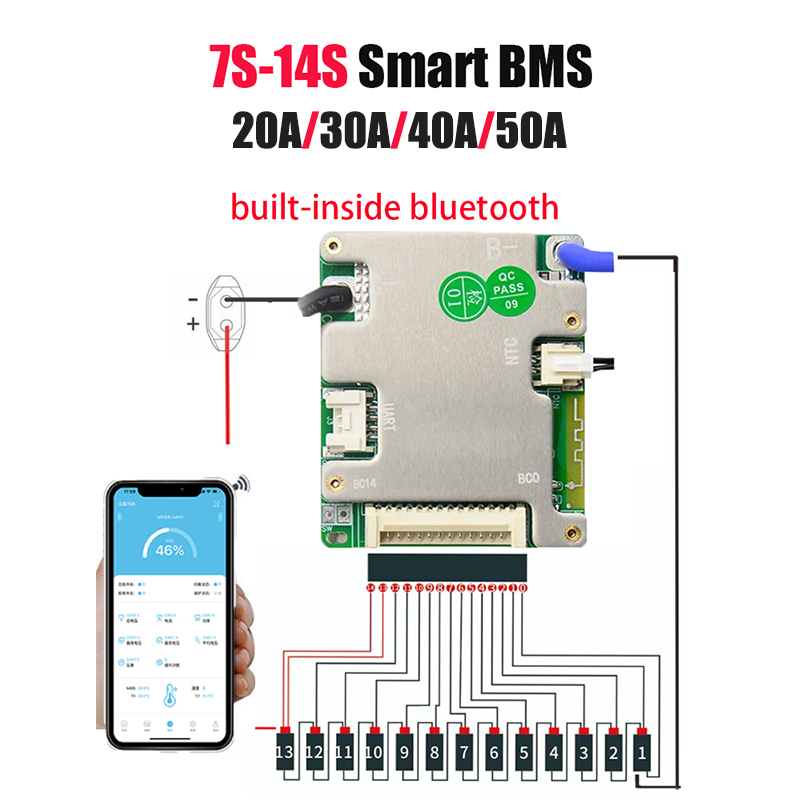
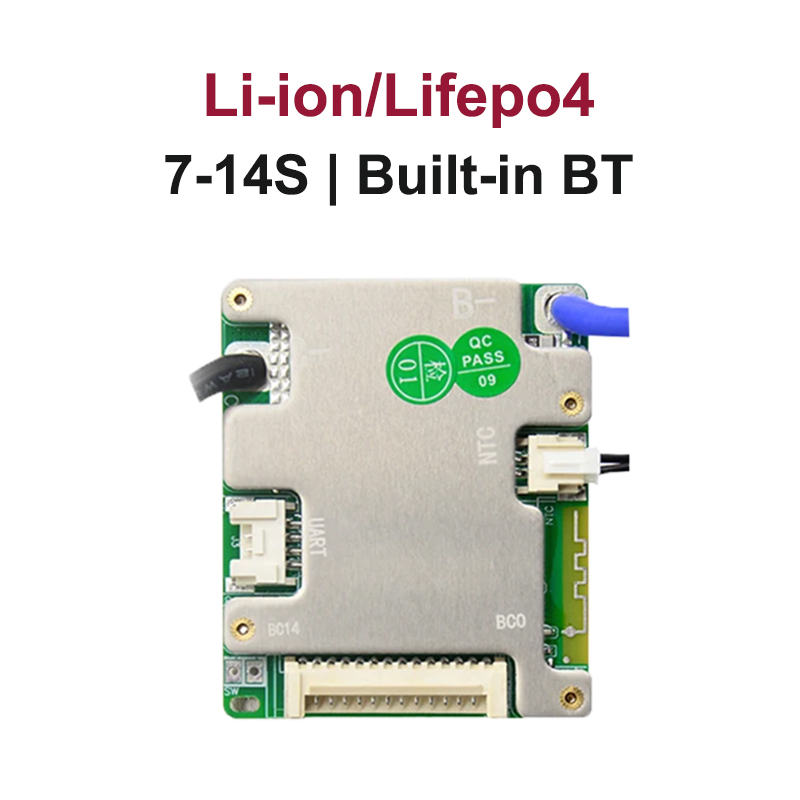
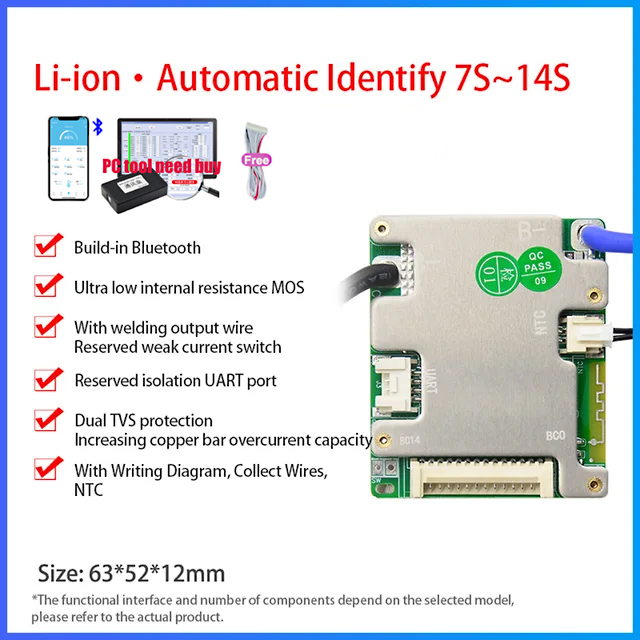
Both Hardware BMS and Smart BMS solutions are produced to meet different configuration requirements.
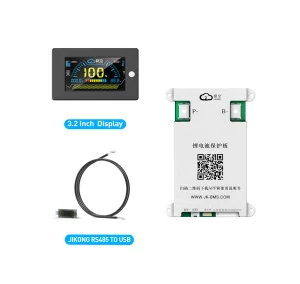
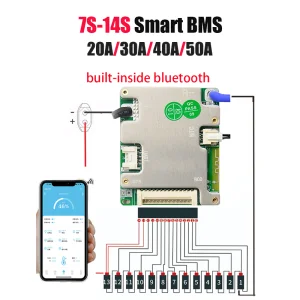
5. What accessories are available for the Smart BMS?
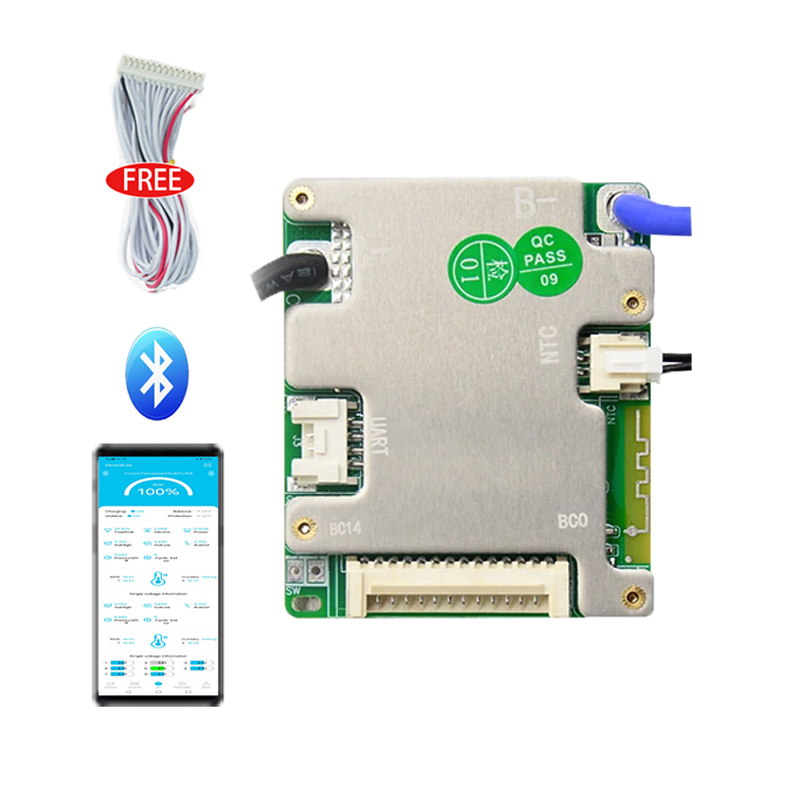
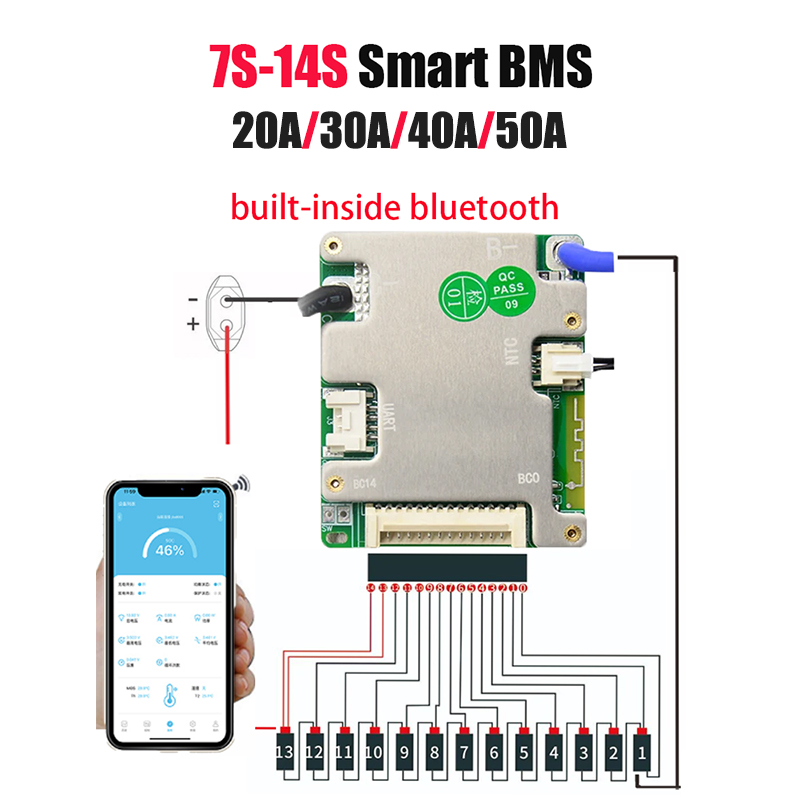
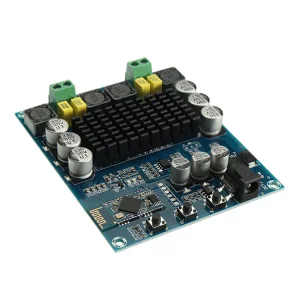
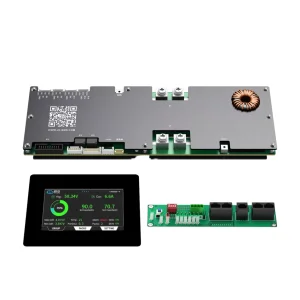
Bluetooth modules are available for App use, and communication box tools (UART/RS485) are available for PC connection. Compatible LCD displays (UART/RS485) are also available.
6. What battery chemistry types are supported by this system?
This management system is highly compatible and can be configured for 3.2V LiFePO4 batteries as well as 3.6V and 3.7V Li-ion battery configurations.
 Volt Power