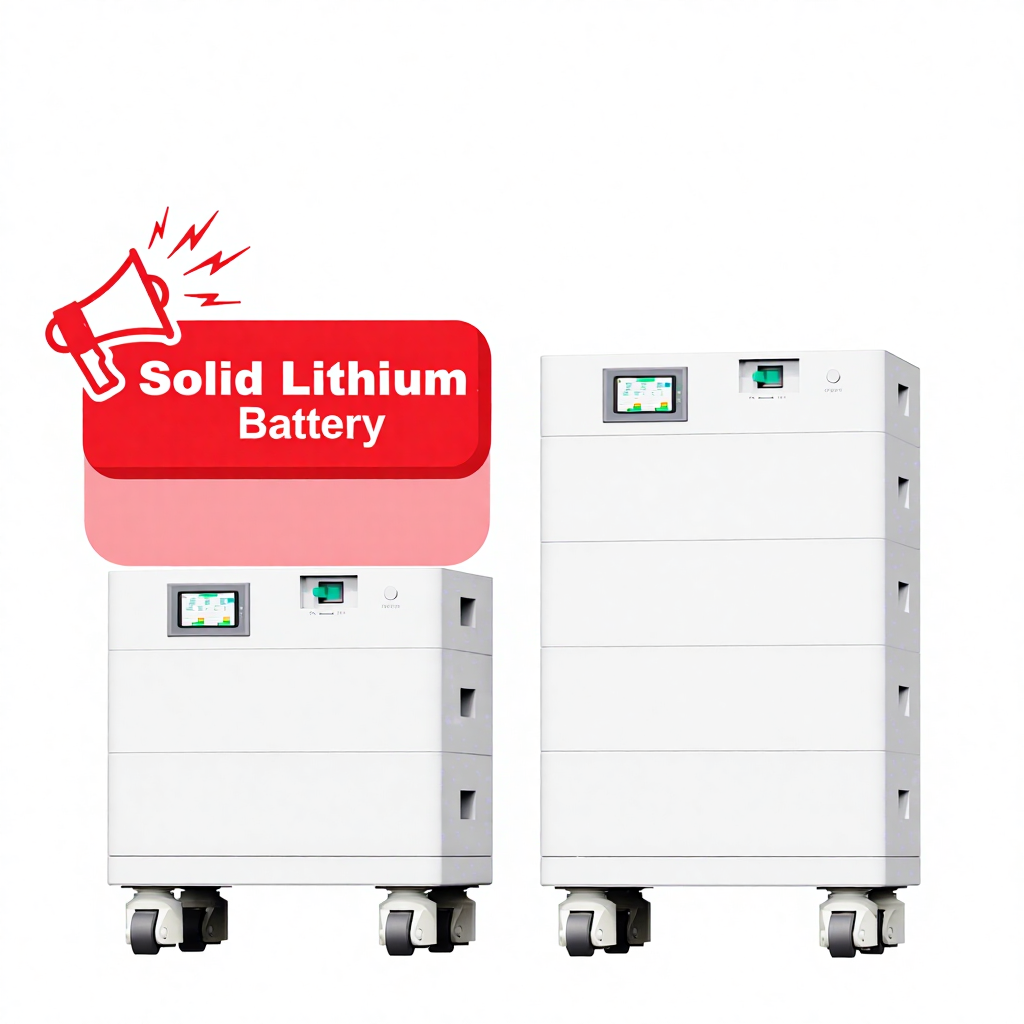
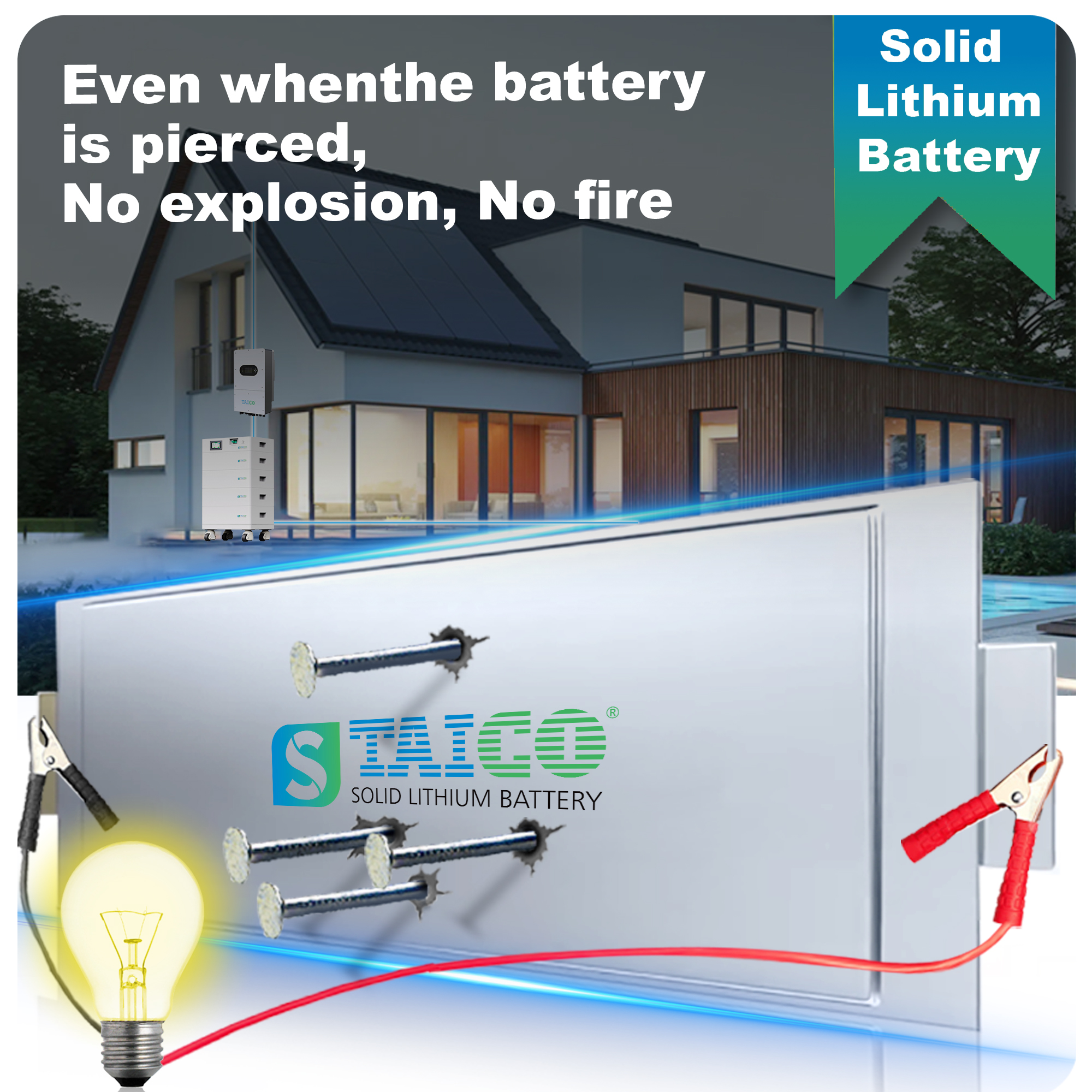
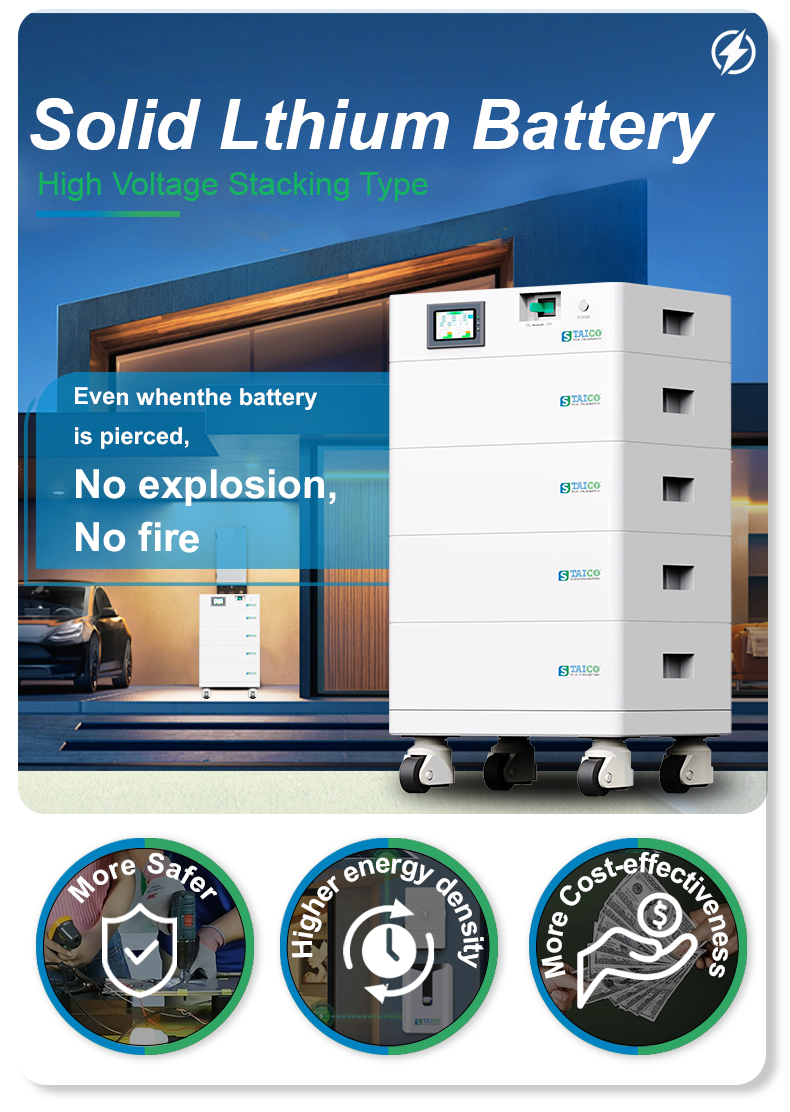
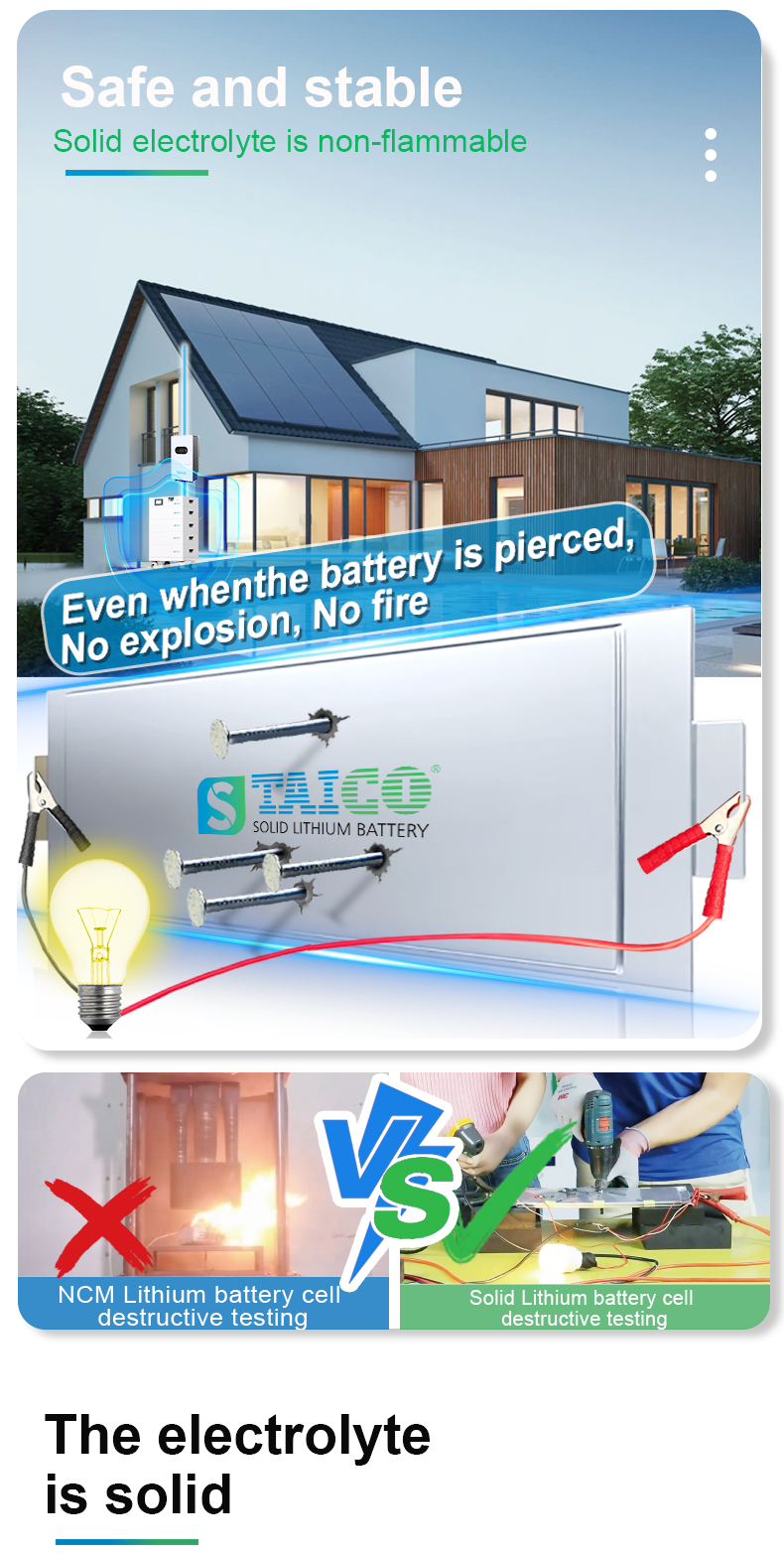
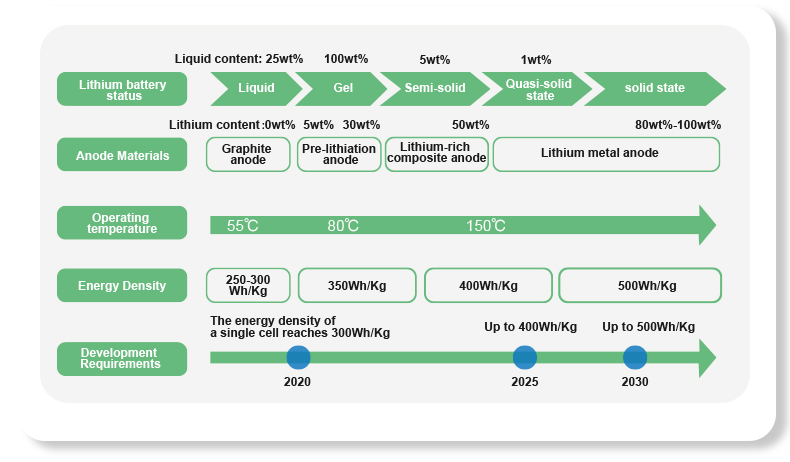
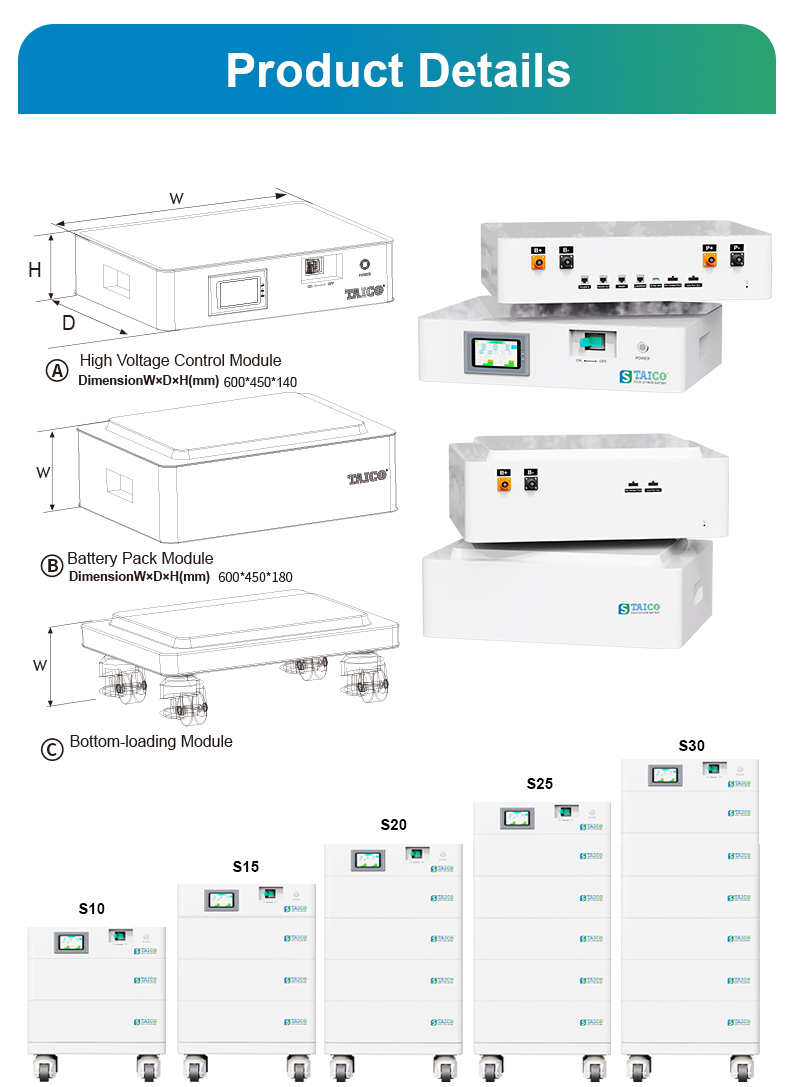
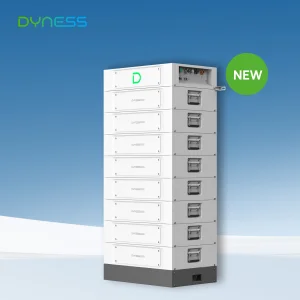
In terms of working principle, solid lithium battery are no different from traditional lithium batteries. The main difference between the two is that the electrolyte of solid-state batteries is solid, which is equivalent to the place where lithium ions migrate to the solid electrolyte. With the continuous upgrading of positive electrode materials, solid electrolytes can be better adapted, which is conducive to improving the energy density of battery systems. In addition, the insulation of solid electrolytes allows them to well isolate the positive and negative electrodes of the battery, avoiding short circuits caused by contact between the positive and negative electrodes while acting as a diaphragm.
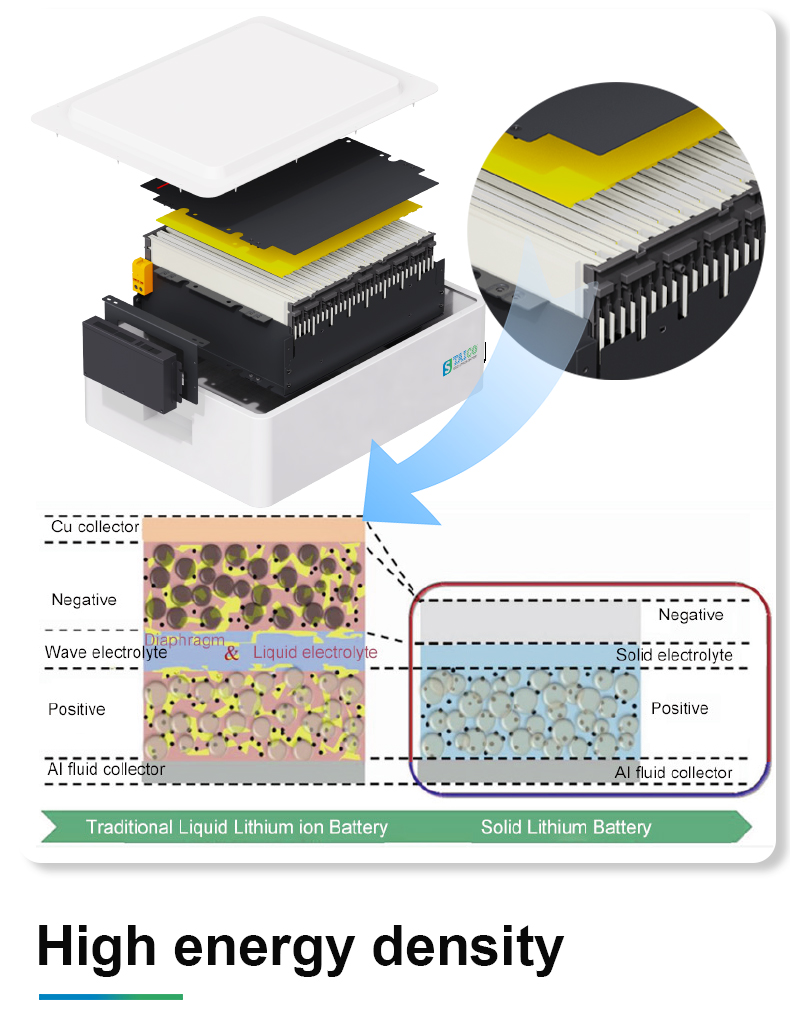
Solid electrolytes have a wide electrochemical window and can adapt to higher voltage cathode materials.
Solid electrolytes have good mechanical properties and can effectively inhibit the formation of lithium dendrites, thus being compatible with lithium metal anode materials with higher energy density.
Due to the non-fluidity of the electrolyte, the electrodes inside the battery cell can be connected in series to increase the single cell voltage, achieving the same effect as increasing the voltage by connecting multiple batteries in series, thereby reducing the use of structural parts and increasing energy density when forming a group.
?
Frequently Asked Questions
1. What are the key advantages of solid lithium batteries over traditional ones?
Solid lithium batteries use a solid electrolyte which enhances safety by isolating electrodes more effectively, preventing short circuits, and allowing for higher energy density through the use of advanced cathode materials.
2. How long is the expected cycle life of this battery system?
The system is designed for longevity, offering a cycle life of ≥6000 times at 80% Depth of Discharge (DOD) under standard operating conditions (0.5C/0.5C at 25°C).
3. What safety protections are integrated into the battery?
The battery includes multiple protection layers, including over-temperature, over-current, over-voltage, and insulation monitoring to ensure stable and safe operation.
4. Can these batteries operate in extreme temperatures?
Yes, the batteries support a wide working temperature range, with charging capabilities between 0-55°C and discharging between -10-55°C.
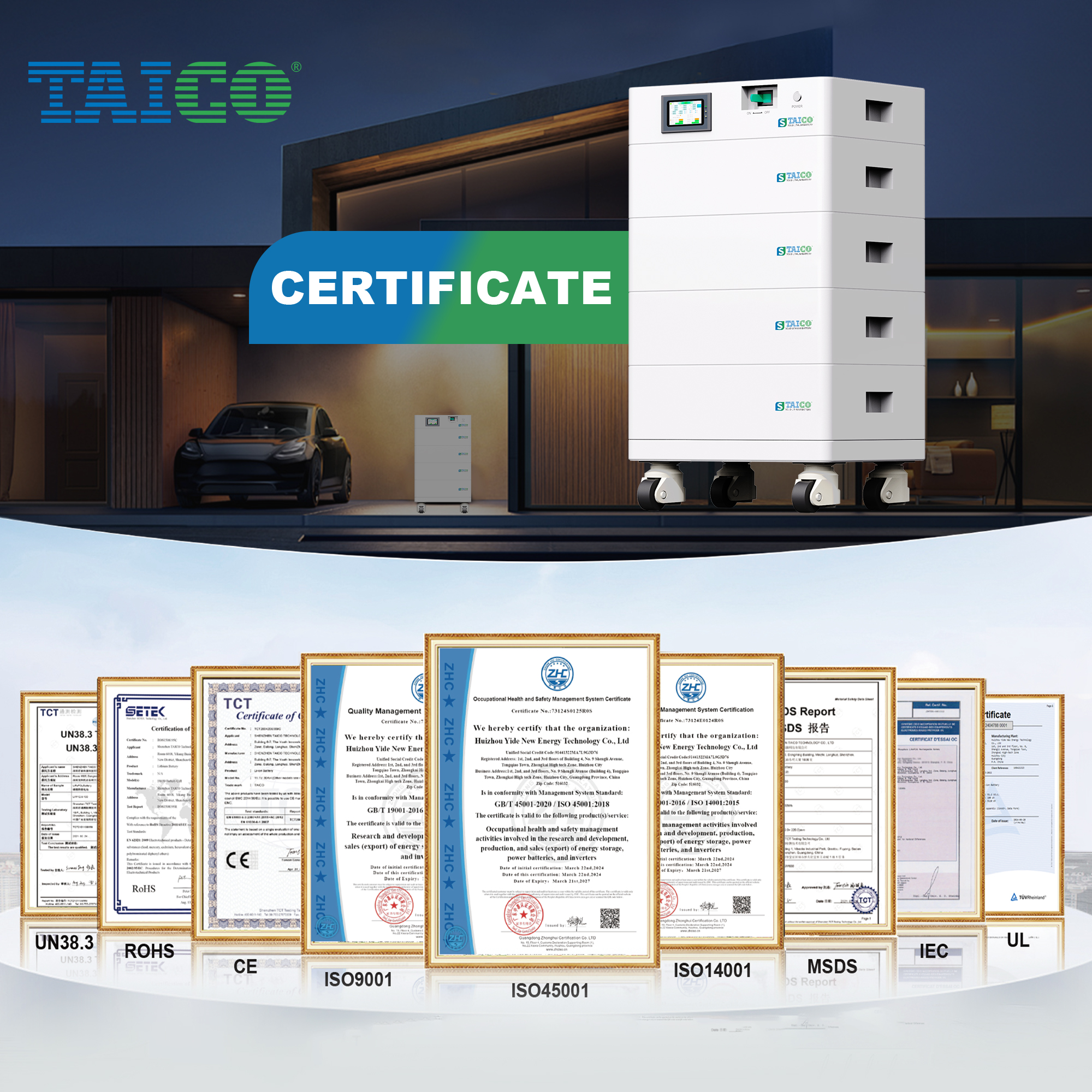
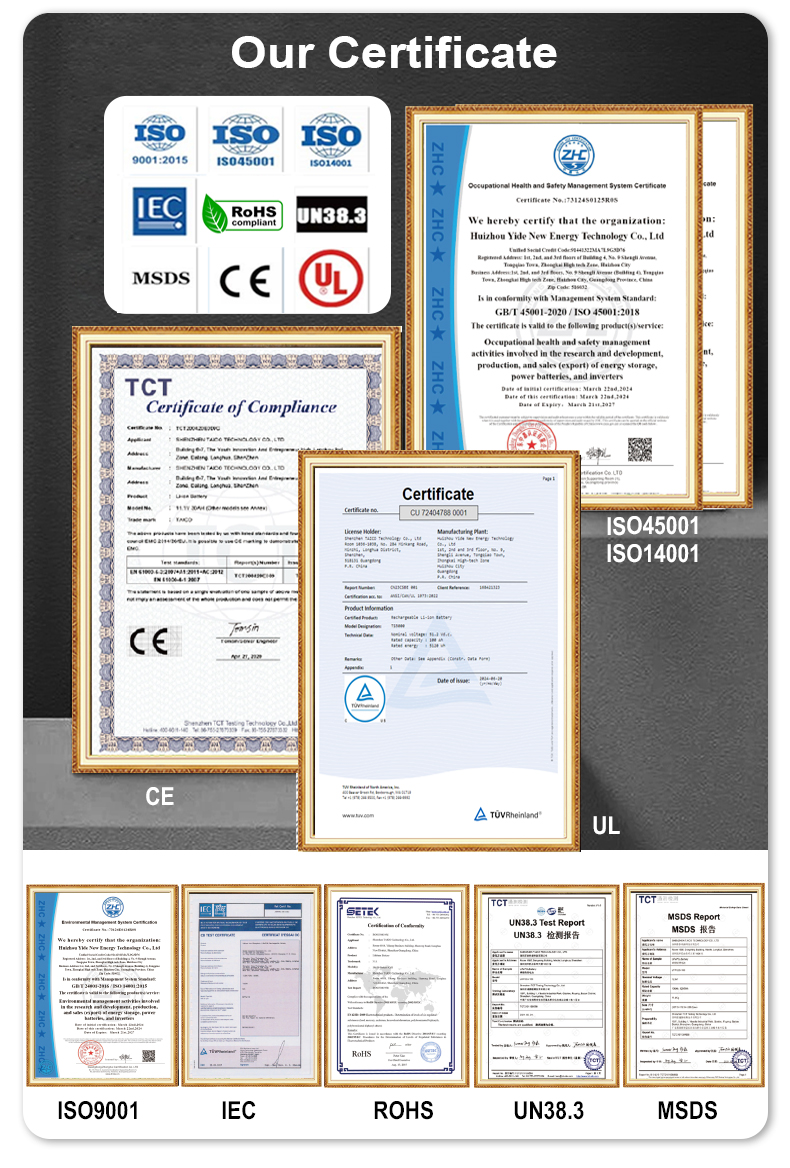
5. What certifications do these solid-state battery products hold?
Our battery systems are compliant with international standards, including UN38.3, UL1973, and IEC62619, ensuring global quality and safety compliance.
6. How is the battery performance monitored?
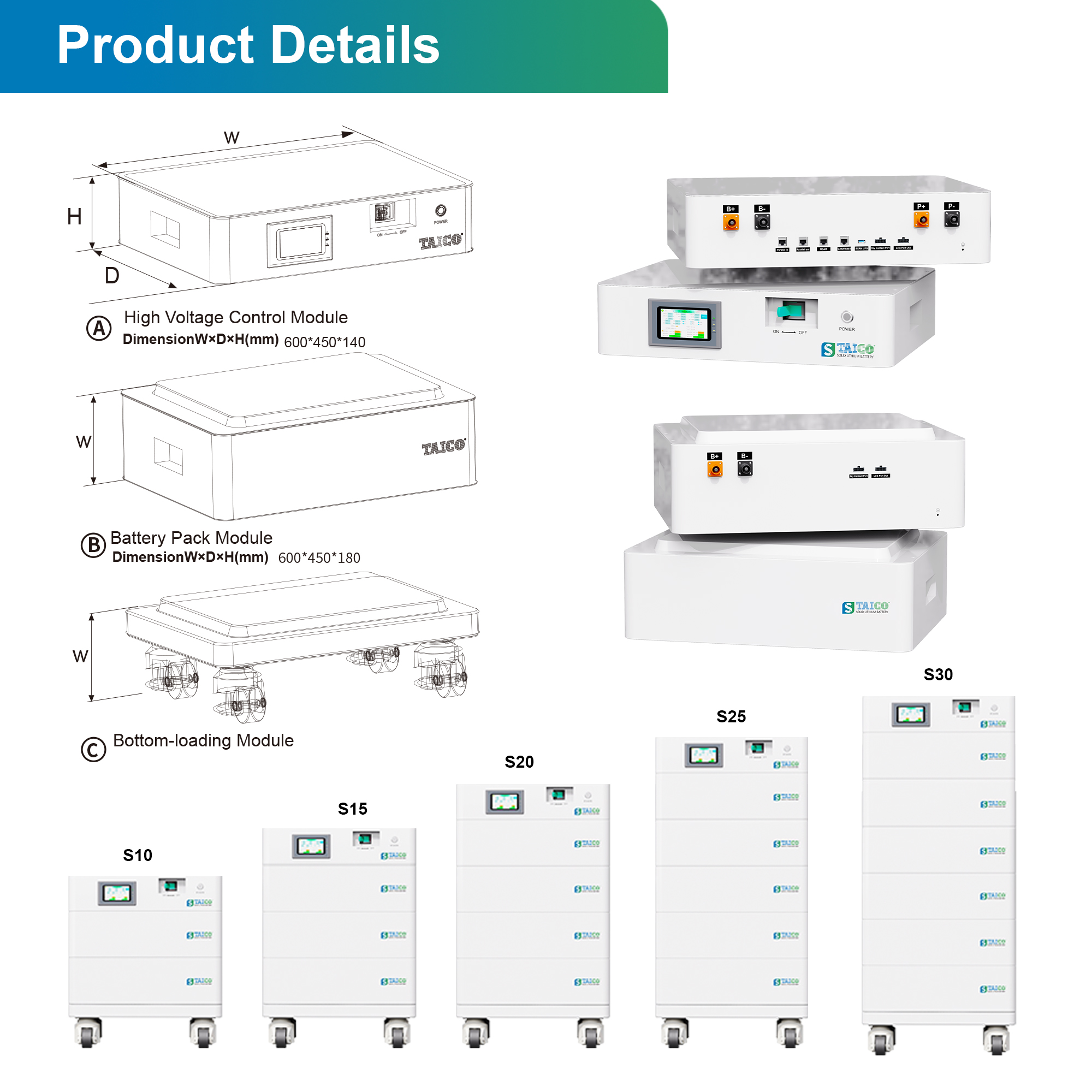
The units come equipped with an LCD display and multiple communication interfaces such as CAN2.0 and RS485 for real-time monitoring and system integration.
 Volt Power