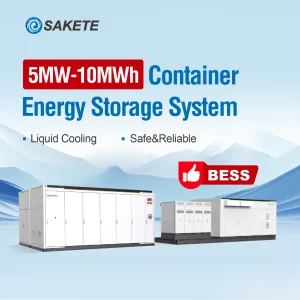
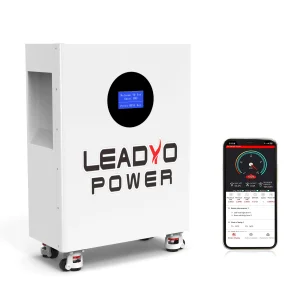
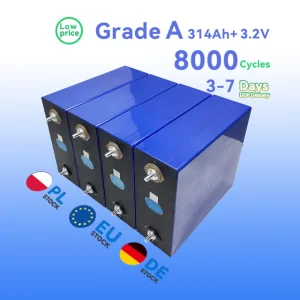
High-efficiency LiFePO4 systems engineered for reliability and longevity.
Leading the Transition to Sustainable Energy Management
Ningbo Volt Power Co., Ltd. is a professional China lithium battery manufacturer specializing in energy storage systems, solar batteries, and advanced power solutions for residential, commercial, industrial, and renewable energy applications. With a strong focus on innovation, safety, and energy efficiency, we provide reliable lithium battery technologies that help customers achieve sustainable and dependable power management.
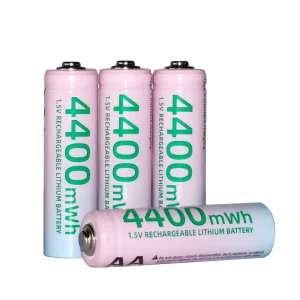
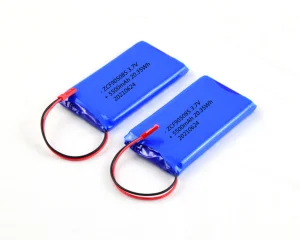
Our product portfolio includes lithium-ion batteries, lithium iron phosphate (LiFePO4) batteries, solar energy storage batteries, residential energy storage systems, commercial battery solutions, backup power systems, high-voltage battery packs, renewable energy storage solutions, and customized battery systems. Designed to meet the growing demand for clean energy and intelligent power management, our products are widely used in solar energy projects, telecommunications, industrial facilities, electric mobility applications, and off-grid power systems.
At Volt Power, we combine advanced battery engineering with modern manufacturing capabilities to deliver products that offer high energy density, long cycle life, excellent safety performance, and reliable operation. Our experienced research and development team continuously invests in battery innovation, energy storage technologies, and battery management systems to support the evolving needs of global energy markets.
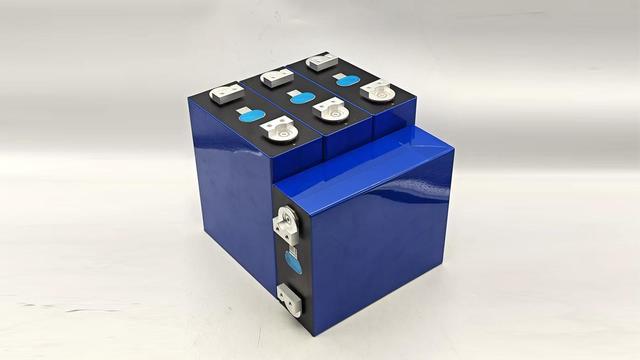
From LiFePO4 dominance to AI-driven Smart Grids
Modern Home Energy Storage Systems (HESS) are no longer passive battery banks. The integration of AI algorithms into Battery Management Systems (BMS) allows for predictive maintenance, SOC (State of Charge) precision within 1%, and real-time load balancing that extends battery life by 25% compared to traditional systems.
While LiFePO4 remains the industry standard for safety and cost-effectiveness (providing 6000-8000 cycles), the roadmap points towards semi-solid-state electrolytes. These offer higher energy density and a wider operating temperature range (-30°C to 60°C) without the risk of thermal runaway.
The convergence of Electric Vehicles (EV) and HESS is a primary focus. Bidirectional charging (Vehicle-to-Home) enables the EV battery to act as a secondary backup for the house, managed through a unified Cloud-EMS (Energy Management System).
Information Gain: Unlike basic consumer guides, industry whitepapers emphasize that the Total Cost of Ownership (TCO) is determined not by the initial price, but by the efficiency of the Round-Trip (AC-DC-AC) conversion and the degradation rate over 10 years.
Strategic deployment across diverse energy landscapes
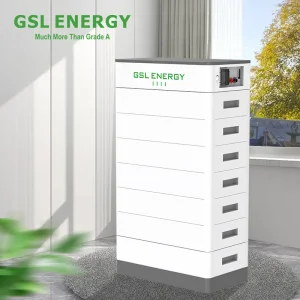
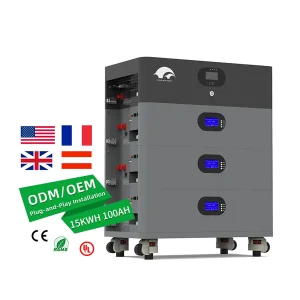
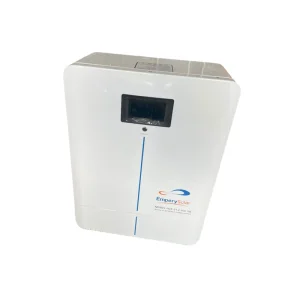
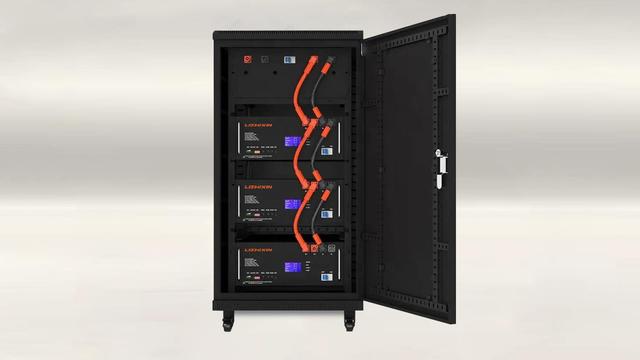
Focus on stackable, modular designs (5kWh to 30kWh) that allow homeowners to start small and expand. High-voltage (HV) systems are becoming preferred due to lower current losses and easier integration with hybrid inverters.
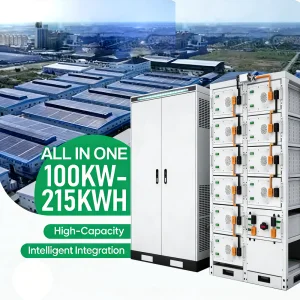
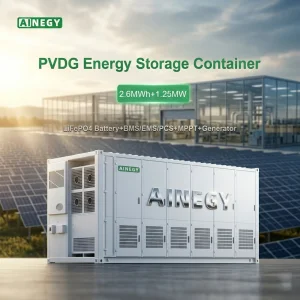
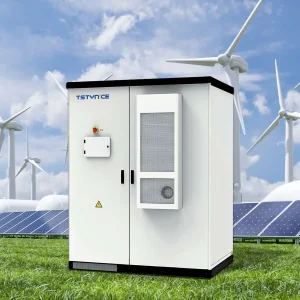
For B2B entities, ESS is a tool for Peak Shaving and Demand Charge Reduction. Our 100kWh-300kWh cabinets help factories avoid high tariff periods, delivering ROI in 3-5 years in high-cost energy markets.
Off-grid solutions for islands, telecommunications, and rural electrification. These require IP65/IP66 ratings and "Black Start" capabilities to ensure grid recovery after total power failure.
Supply Chain Resilience and Manufacturing Precision
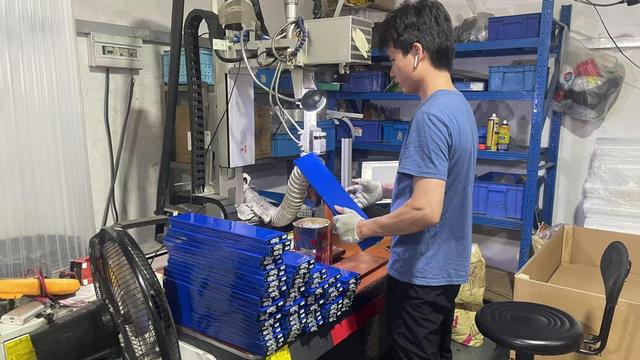
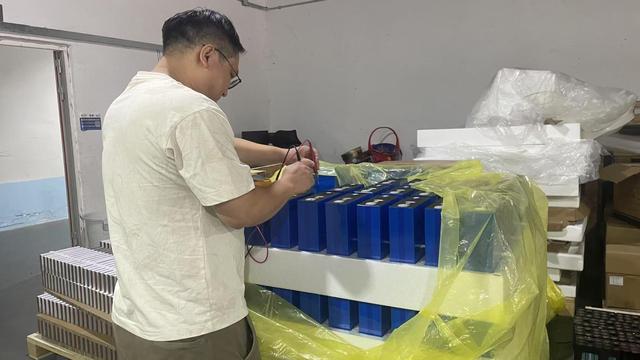
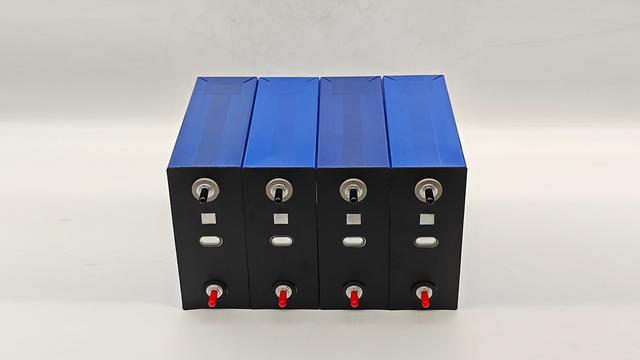
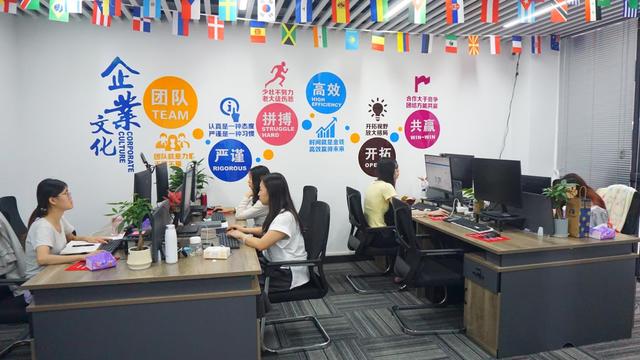
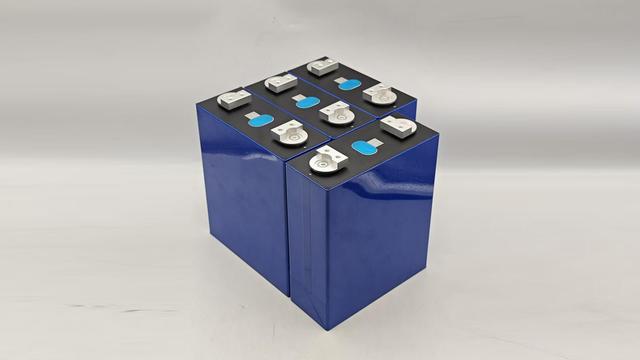
The dominance of Chinese manufacturers like Ningbo Volt Power in the energy storage sector is rooted in Supply Chain Vertical Integration. By controlling the flow from raw lithium processing to cell manufacturing and finally to system assembly, we ensure:
Navigating the Regulatory Landscape of Energy Storage
Our systems comply with UN38.3, CE-LVD, CE-EMC, UL1973, and IEC62619. Compliance is not just a checkbox; it's the foundation of insurance eligibility for residential and commercial installations.
Serving North America, Europe, and Australia, we provide remote diagnostic support and localized firmware updates to ensure compatibility with local grid codes (e.g., G98/G99 in the UK, AS4777.2 in Australia).
With warehouses in the EU, USA, and Poland, we offer DDP (Delivered Duty Paid) solutions, minimizing the administrative burden for distributors and solar installers.
Maximizing Value for EPCs, Distributors, and Private Labels
Ningbo Volt Power provides flexible OEM and ODM services. For global enterprises looking to source energy storage systems, we recommend focusing on three KPIs:
Expert answers for informed decision-making
From Marine applications to Industrial-scale storage
 Volt Power