High-performance lithium battery systems engineered for peak efficiency and long-cycle durability.
Leading the development of secure, intelligent, and highly optimized commercial and industrial solar power systems.
Ningbo Volt Power Co., Ltd. is a professional China lithium battery manufacturer specializing in energy storage systems, solar batteries, and advanced power solutions for residential, commercial, industrial, and renewable energy applications. With a strong focus on innovation, safety, and energy efficiency, we provide reliable lithium battery technologies that help customers achieve sustainable and dependable power management.
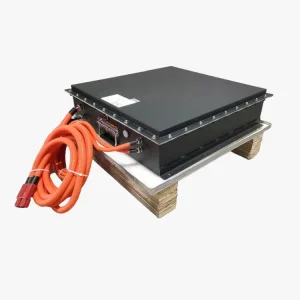
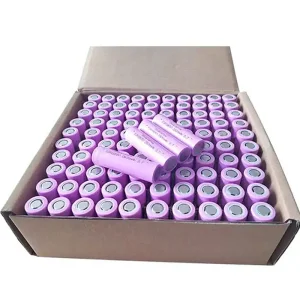
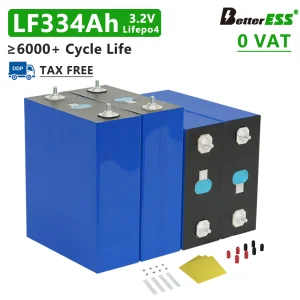
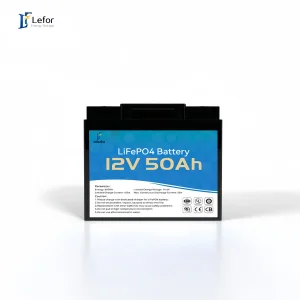
Our product portfolio includes lithium-ion batteries, lithium iron phosphate (LiFePO4) batteries, solar energy storage batteries, residential energy storage systems, commercial battery solutions, backup power systems, high-voltage battery packs, renewable energy storage solutions, and customized battery systems. Designed to meet the growing demand for clean energy and intelligent power management, our products are widely used in solar energy projects, telecommunications, industrial facilities, electric mobility applications, and off-grid power systems.
At Volt Power, we combine advanced battery engineering with modern manufacturing capabilities to deliver products that offer high energy density, long cycle life, excellent safety performance, and reliable operation. Our experienced research and development team continuously invests in battery innovation, energy storage technologies, and battery management systems to support the evolving needs of global energy markets.
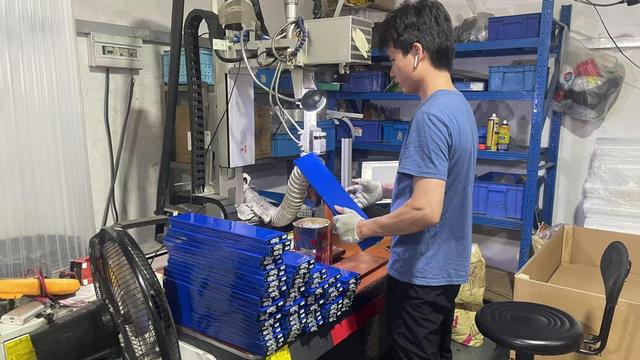
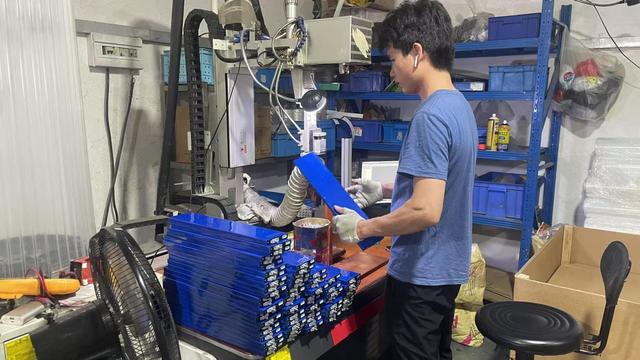
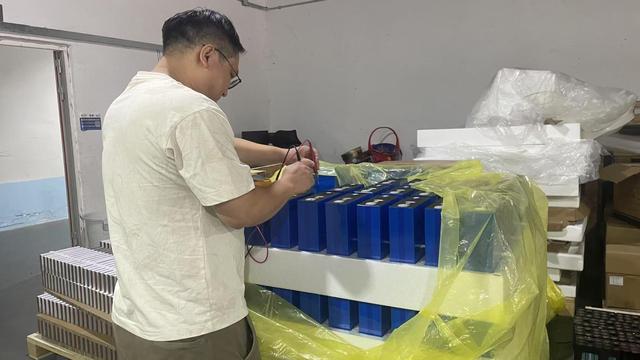
Quality and safety are fundamental to our operations. Our manufacturing facility operates under strict quality management procedures, covering material selection, cell integration, battery assembly, testing, and final inspection. Every battery system undergoes comprehensive performance and safety testing to ensure dependable operation under demanding conditions.
In addition to standard battery products, Ningbo Volt Power Co., Ltd. provides flexible OEM and ODM services for energy companies, distributors, project developers, equipment manufacturers, and private-label brands. Our customized solutions are designed to meet specific voltage, capacity, application, and performance requirements.
Serving customers across North America, Europe, Southeast Asia, Australia, the Middle East, and other international markets, Volt Power is committed to delivering high-quality lithium battery solutions, competitive value, and professional customer support. Our mission is to become a trusted global partner in energy storage technology, helping customers power a more efficient, sustainable, and energy-independent future.


Decarbonization, grid modernization, and the surging need for energy security are forcing a pivot toward smart utility-scale battery integration.
Commercial and Industrial (C&I) operations are moving aggressively toward high-capacity energy storage. The core drivers are clear: peak-shaving, dynamic load shifting, and safeguarding operations against volatile utility price spikes.
As centralized utility grids struggle with the variability of solar and wind generation, decentralized utility storage units act as virtual power plants (VPPs) that support local transmission frameworks.
Advancements in cell density, cell chemistry, and manufacturing automation have lowered the lifetime costs of lithium systems, making the replacement of diesel generators highly economical.
An analysis of cell chemistry developments, battery management topologies, and system safety systems.
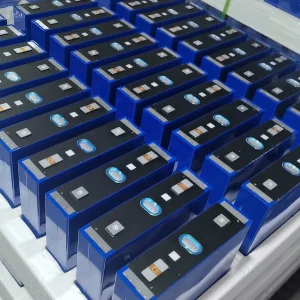
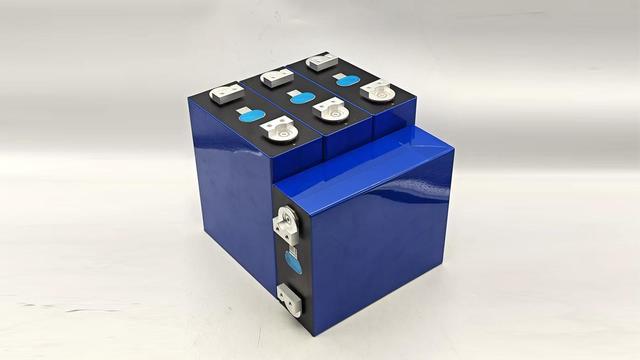
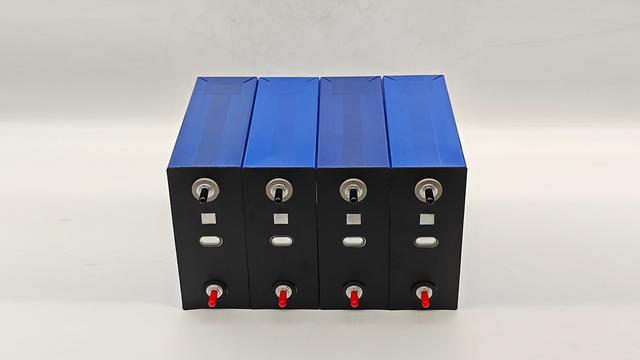
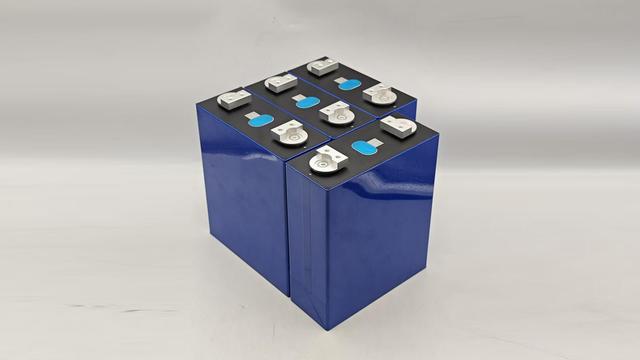
The global storage market is undergoing a transition from standard 280Ah cells to high-density 314Ah and 530Ah cells. This technology upgrade enables integration into standard containers, increasing total energy yield while reducing overall mechanical footprint requirements.
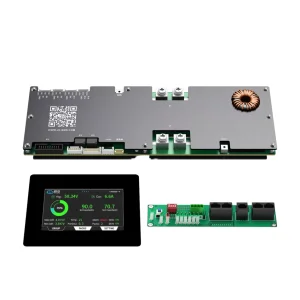
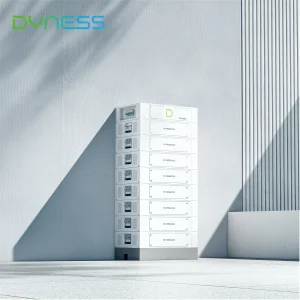
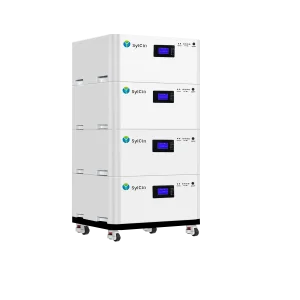
Modern high-voltage systems (like Dyness and Sylcin architectures) require sub-millisecond cell balancing. Active balancing PCBA topologies transfer energy from higher-charged cells to lower-charged cells, recovering otherwise lost capacity and preventing thermal hotspots.
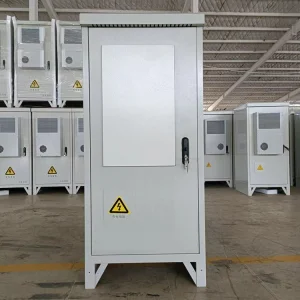
Safety is the primary consideration in commercial battery design. Manufacturers now combine cell-level vents, module-level structural aerogels, liquid-cooling loops, and cabinet-level fire suppression agents to halt thermal runaway before it starts.
How Volt Power customizes storage products to meet distinct regulatory frameworks and climate conditions globally.
Standards: UL9540A, UL1973, NFPA 855.
Systems deployed in North America emphasize electrical containment, outdoor-rated structural enclosures, and communication linkages with smart grids for localized capacity programs.
Standards: CE, IEC 62619, VDE-AR-N 4105.
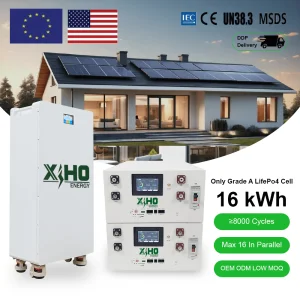
Focuses on residential stackable systems (5kWh to 30kWh) and dynamic tariff-matching software. The primary goal is optimization of high self-consumption yields and integration with localized EV charging assets.
Conditions: High Heat, High Humidity, Off-Grid.
Requires IP65 or IP66 outdoor enclosures, advanced tropicalization of circuit boards (BMS PCBA coating), and deep discharge tolerance for remote sites, telecom nodes, and mini-grids.
Conditions: Extreme Thermal Ranges, VPP Ready.
Requires cooling systems (HVAC / liquid cooling) to survive ambient desert temperatures above 45°C, while providing interface connectivity for local utility aggregator systems.
The technological trajectory of energy storage systems over the next five years.
As a leading exporter, Volt Power maintains a forward-looking product roadmap. Current efforts are focused on the integration of Sodium-ion technologies for low-temperature climates and backup systems where raw volumetric density constraints are less critical than overall capital costs. Additionally, the development of solid-state industrial battery systems is ongoing, aiming to bring safety and high energy configurations to market by the end of the decade.
Furthermore, standardizing cloud-connected BMS telematics allows fleet managers to monitor cell-level degradation, state-of-health (SoH) profiles, and thermal variations across thousands of scattered installation sites. This cloud analytics framework supports proactive warranty alerts, remote firmware updates, and optimal charge-discharge cycles based on local weather forecasting models.
Tailored engineering packages for complex application categories.
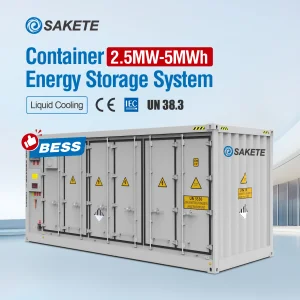
Designed for large-scale utility solar and wind farms, these liquid-cooled containers optimize thermal profiles, increase battery lifespan by up to 20%, and integrate with central PCS systems for rapid response grid injection.
Replacing legacy Lead-Acid (VRLA) batteries, our IP65-rated 12V and 48V LFP systems provide five times the life cycle capacity, reduce physical footprint requirements by 70%, and lower maintenance site visits to zero.
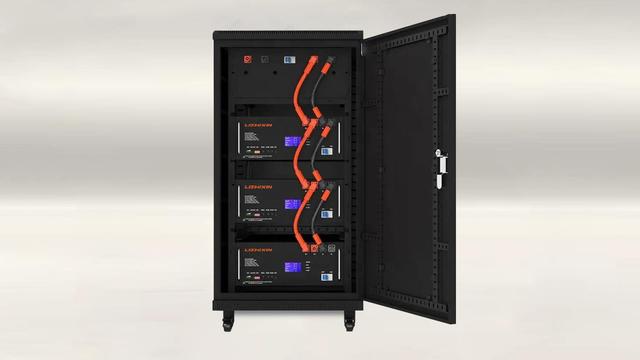
Tailored for high-demand factories and microgrid hubs, these stackable high-voltage systems (up to 800V DC) reduce cable loss, simplify installation, and offer modular expansion capability as site power requirements scale.
Deep engineering answers to help you navigate compliance, cycle life, and custom configuration specifications.
Explore our technical catalog of high-voltage cabinet arrays, off-grid kits, and high-capacity cells.
 Volt Power