As the global clean transition accelerates, wind power has established itself as a cornerstone of renewable energy generation. However, the inherent variability and unpredictability of wind resources pose severe challenges to power grids worldwide. Wind curtailment, frequency fluctuations, and grid stability issues often prevent developers from realizing the full financial and ecological potential of wind farms.
To transition from intermittent resource generation to stable, dispatchable, and predictable energy supply, global operators are pairing wind installations with high-capacity Battery Energy Storage Systems (BESS). In commercial and industrial scenarios, this integration enables grid operators to store excess off-peak generation, reduce peak charges, and guarantee power continuity. Ningbo Volt Power Co., Ltd. bridges the gap between wind energy capture and efficient system delivery. Our custom high-voltage lithium battery solutions serve as the primary stabilizer for combined wind, solar, and grid installations.
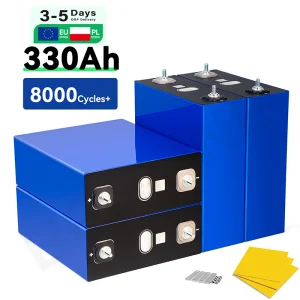
From raw lithium carbonate processing and cathode synthesis to prismatic cell assembly, China's ecosystem keeps material transit delays minimal and pricing highly competitive.
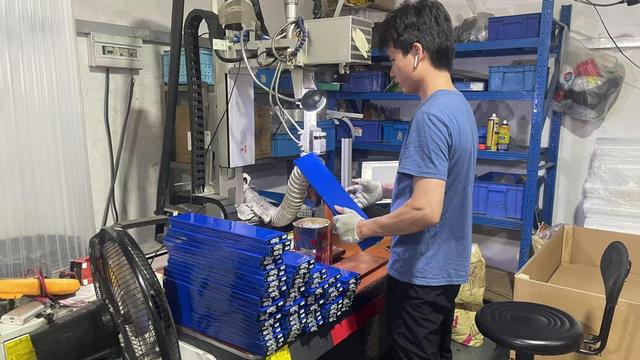
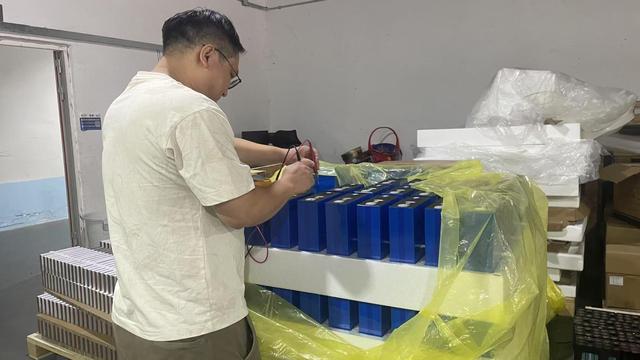
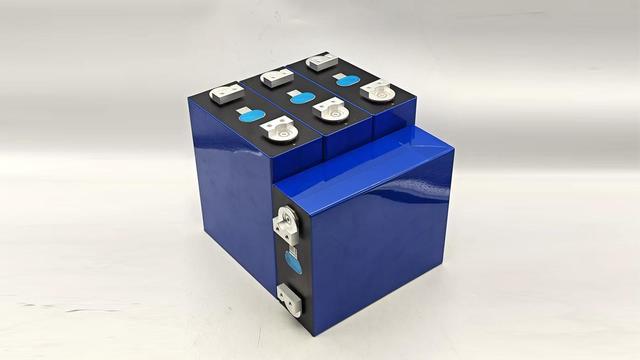
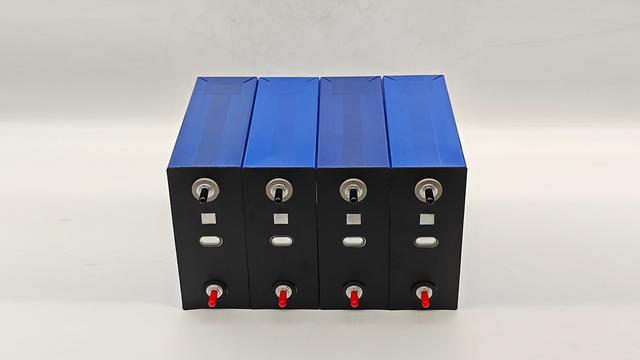
Every cell package undergoes strict internal resistance, capacity matching, and delta-V evaluation. Automated laser welding ensures connection reliability under high thermal stress.
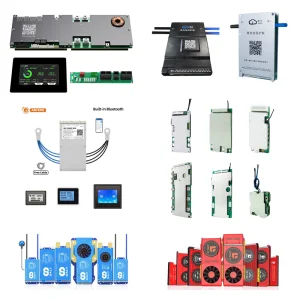
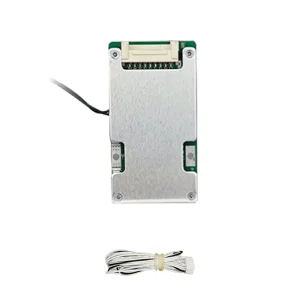
Integrating Daly BMS and JK BMS architectures with proprietary firmwares to guarantee high reliability, smart cellular health monitoring, and active dynamic balancing.
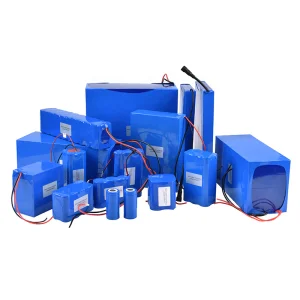
Operating from Ningbo, a global logistics hub, Ningbo Volt Power Co., Ltd. benefits from streamlined shipping operations. This strategic location enables prompt export of modular LiFePO4 configurations, containerized high-voltage battery storage, and custom battery packs to North America, Europe, and Asia.
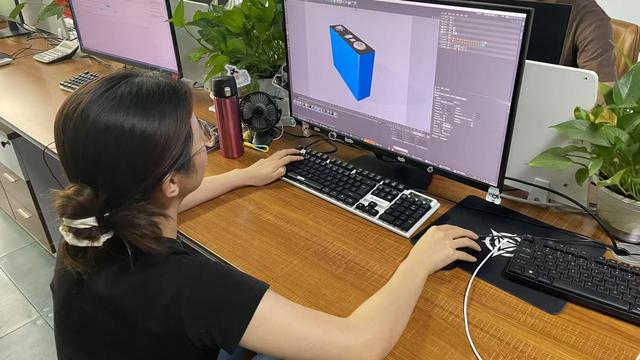
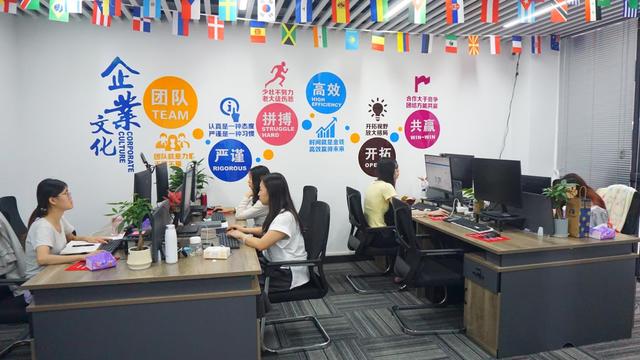
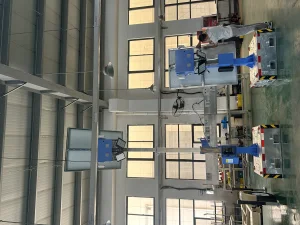
Take a virtual tour of our state-of-the-art manufacturing floors, precision testing clean rooms, warehousing facilities, and advanced lithium battery assembly lines.
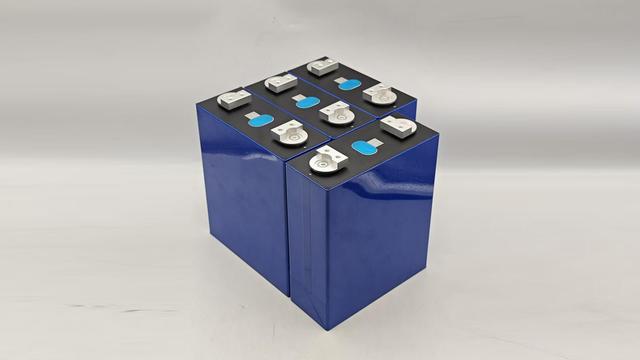
Modern energy grids require bespoke systems designed to address distinct environmental and electrical challenges. We offer targeted solutions optimized for specific localized applications:
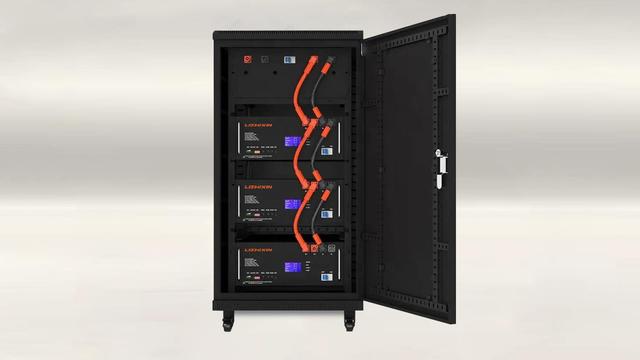
Perfect for remote agricultural hubs, islands, and mining sites. Integrating LiFePO4 storage (such as our 51.2V rack-mounted units) with solar panels and wind turbines mitigates power drops during calm weather, cutting generator reliance by up to 90%.
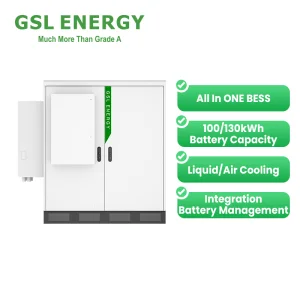
Factories using high-power machinery utilize our 100kW to 1MW+ BESS containers to draw power from wind turbines or the grid during low-cost hours. This energy is discharged during peak demand, protecting facility transformers and lowering energy costs.
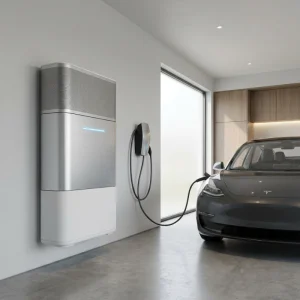
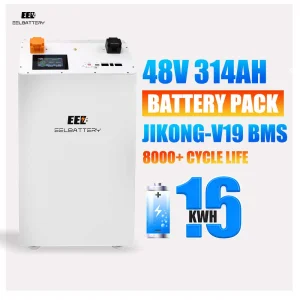
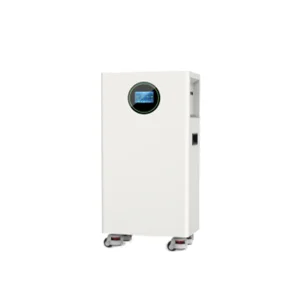
Homeowners pairing residential wind turbines with home battery systems (like our 15kwh to 30kwh vertical storage packs) can achieve up to 100% off-grid independence. These systems deliver backup power and manage grid outages automatically.
The storage landscape is evolving from low-capacity setups to grid-forming storage configurations. Procurement teams should monitor three key trends:
Purchasing clean energy products from overseas requires careful verification of certifications, safety compliance, and custom design options. Key parameters to monitor:
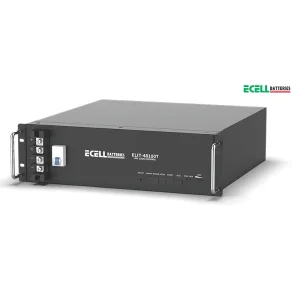
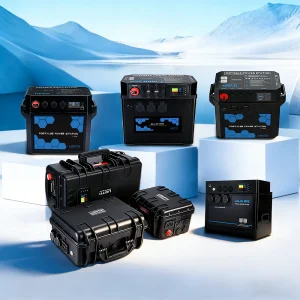
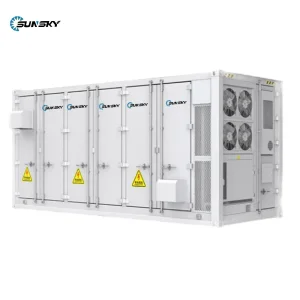
Wind energy output changes depending on atmospheric conditions, leading to active power spikes and frequency drops. Modern BESS installations integrate with wind farm telemetry systems, charging when generation exceeds grid capacity (or load demand) and discharging when the wind drops. This buffers the supply, providing grid-forming support and primary frequency regulation.
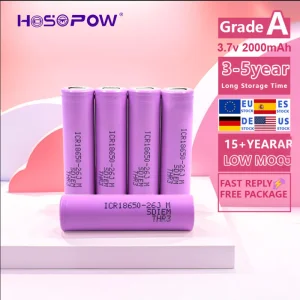
LiFePO4 provides superior thermal stability and cycle life. It does not release oxygen during thermal breakdown, reducing the risk of fire. Furthermore, LiFePO4 batteries routinely deliver over 6,000 charge-discharge cycles at 80% DOD, compared to around 1,500 to 2,000 cycles for NMC, which yields a lower levelized cost of storage (LCOS).
In high-voltage arrays, cell balancing is critical. The Smart BMS monitors individual cell voltages, temperatures, and state-of-charge (SoC). Active balancing redirects energy from higher-voltage cells to lower-voltage ones. This minimizes hot-spot risks, maximizes usable capacity, and prevents premature battery pack degradation.
Ningbo Volt Power Co., Ltd. analyzes the turbine’s peak power output, target autonomy period (hours/days), local climate patterns, and inverter compatibility. We then design the pack, selecting chemistry type, configuring the BMS communication interface, and tailoring containerized thermal management (liquid or air-cooled) for the operational environment.
For US markets, battery cells must comply with UL 1973, and full systems must undergo UL 9540A testing to evaluate thermal runaway risks. European markets require CE markings, IEC 62619 compliance, and battery passport tracking under the EU Battery Regulation. Safe shipping requires UN38.3 certification and MSDS reports.
 Volt Power