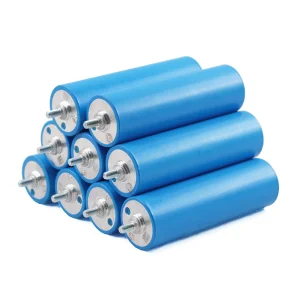
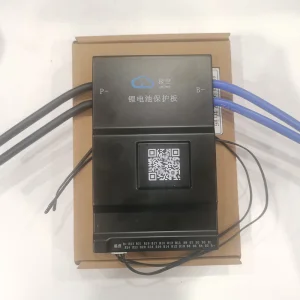
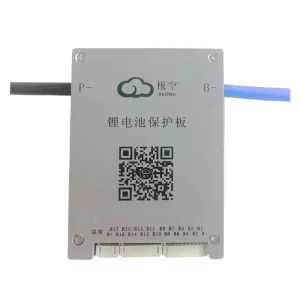
Explore our top-tier LFP power cells, custom electric mobility battery packs, smart BMS boards, and industrial production lines engineered for global infrastructure.
The global battery industry stands on the precipice of a material paradigm shift. Traditional lithium-ion chemistries, while functional, have neared their theoretical limits in terms of gravimetric energy density, charge-transfer kinetics, and thermal resilience. The integration of graphene—a single layer of carbon atoms arranged in a 2-dimensional honeycomb lattice—into battery anodes, cathodes, and separators has moved from experimental laboratories to active commercial and industrial (C&I) production lines.
Graphene’s extraordinary electron mobility (>200,000 cm²/Vs) and superior thermal conductivity (~5000 W/m·K) act as a catalyst when combined with traditional Lithium Iron Phosphate (LiFePO4) and Lithium Nickel Manganese Cobalt Oxide (NMC) chemistries. By establishing an interconnected 3D conductive network, custom OEM graphene-enhanced batteries achieve ultra-fast C-rates (exceeding 5C continuous charge/discharge) without triggering local hot-spots or accelerating solid electrolyte interphase (SEI) degradation.
"Graphene is not a replacement for Lithium; it is the ultimate electro-chemical enhancer. Adding engineered graphene structures to battery electrodes reduces internal impedance by up to 40%, enabling faster kinetics and longer cycle lives."
In the current global industrial landscape, the demand for custom OEM graphene-doped systems is surging across diverse sectors including electric mobility (high-drain electric bicycles and commercial EVs), telecom backup infrastructure (which demands robust high-temperature operation), and grid-scale containerized Energy Storage Systems (ESS). The ability to absorb and discharge energy quickly with minimal thermal signature positions graphene as the premium choice for volatile renewable energy integration schemes.
From Graphene Oxide (GO) reduction to structural integration within hybrid LFP and NMC matrices.
Depositing single-layer or few-layer graphene nanosheets onto cathode active powders (e.g., LFP) via advanced chemical vapor deposition (CVD) or dry-blending to increase electron conductivity.
Wrapping silicon particles inside graphene shells. The flexibility of graphene accommodates the 300% volume expansion of silicon during lithiation, preventing mechanical fracturing.
Utilizing high-purity graphene films as thermal spreaders within multi-cell modules, flattening temperature gradients across cell blocks and avoiding thermal runaway cascade.
A pioneering global authority in advanced lithium battery architectures and customized energy storage solutions.
Ningbo Volt Power Co., Ltd. is a professional China lithium battery manufacturer specializing in energy storage systems, solar batteries, and advanced power solutions for residential, commercial, industrial, and renewable energy applications. With a strong focus on innovation, safety, and energy efficiency, we provide reliable lithium battery technologies that help customers achieve sustainable and dependable power management.
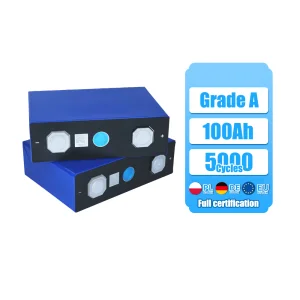
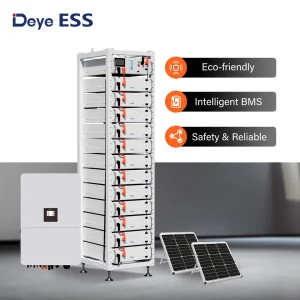
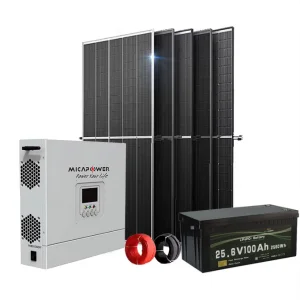
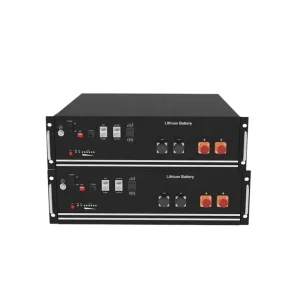
Our product portfolio includes lithium-ion batteries, lithium iron phosphate (LiFePO4) batteries, solar energy storage batteries, residential energy storage systems, commercial battery solutions, backup power systems, high-voltage battery packs, renewable energy storage solutions, and customized battery systems. Designed to meet the growing demand for clean energy and intelligent power management, our products are widely used in solar energy projects, telecommunications, industrial facilities, electric mobility applications, and off-grid power systems.
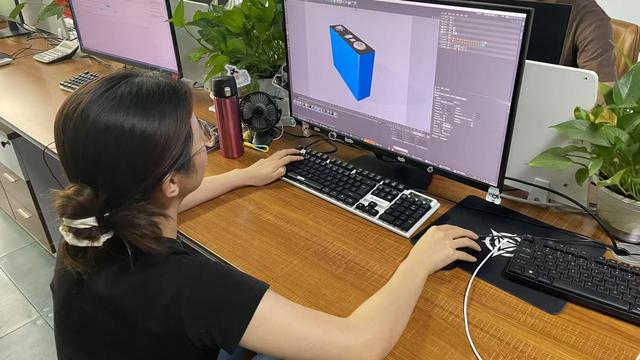
At Volt Power, we combine advanced battery engineering with modern manufacturing capabilities to deliver products that offer high energy density, long cycle life, excellent safety performance, and reliable operation. Our experienced research and development team continuously invests in battery innovation, energy storage technologies, and battery management systems to support the evolving needs of global energy markets.
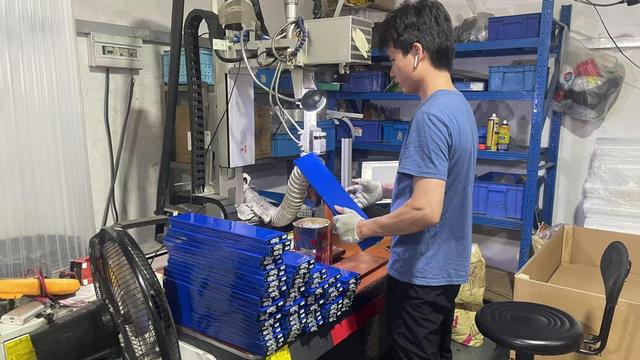
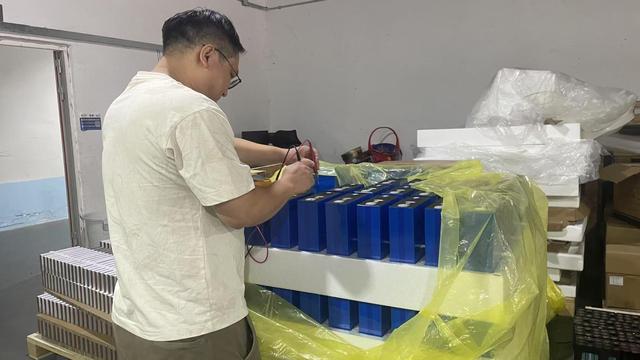
Quality and safety are fundamental to our operations. Our manufacturing facility operates under strict quality management procedures, covering material selection, cell integration, battery assembly, testing, and final inspection. Every battery system undergoes comprehensive performance and safety testing to ensure dependable operation under demanding conditions.
In addition to standard battery products, Ningbo Volt Power Co., Ltd. provides flexible OEM and ODM services for energy companies, distributors, project developers, equipment manufacturers, and private-label brands. Our customized solutions are designed to meet specific voltage, capacity, application, and performance requirements.
Serving customers across North America, Europe, Southeast Asia, Australia, the Middle East, and other international markets, Volt Power is committed to delivering high-quality lithium battery solutions, competitive value, and professional customer support. Our mission is to become a trusted global partner in energy storage technology, helping customers power a more efficient, sustainable, and energy-independent future.
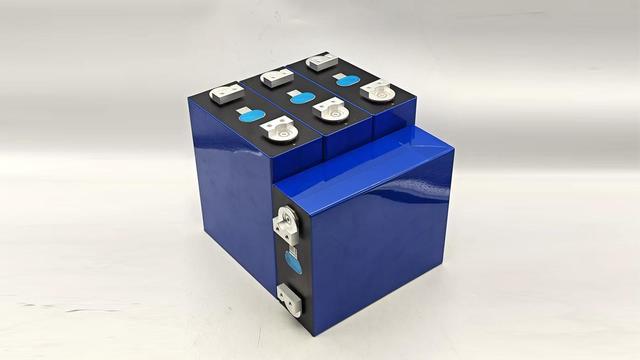
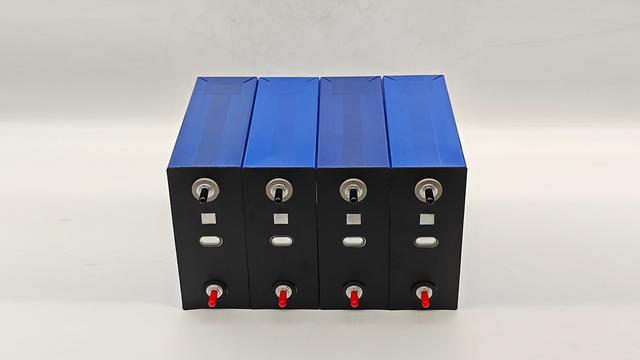

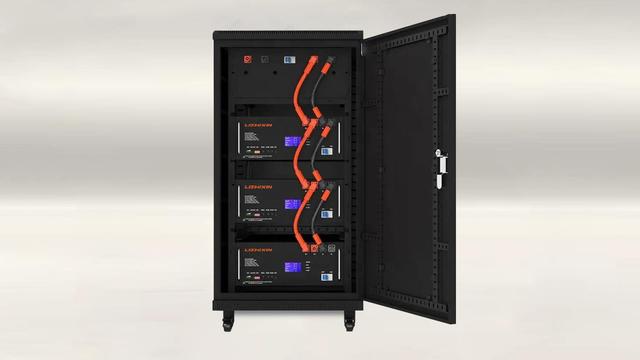
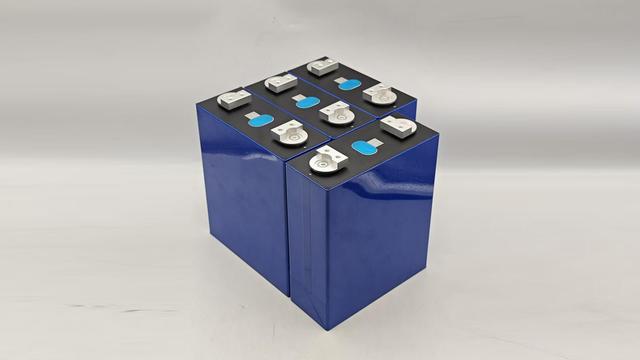
Targeted configurations designed to meet municipal, utility, and heavy enterprise application criteria.
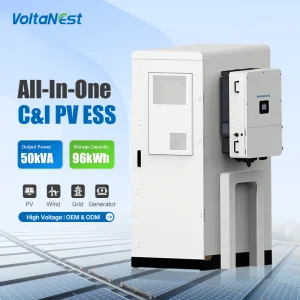
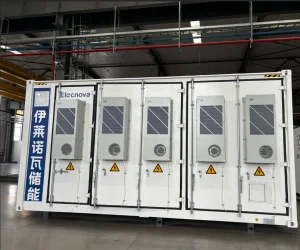
Integrating 3MWh+ containerized battery systems with wind and solar infrastructure. Graphene additives buffer the intermittent grid spikes, stabilizing transient active power variations and enhancing system longevity.
Continuous power solutions for critical communications. Transitioning from legacy AGM cells to high-density, smart-monitored LiFePO4 packs containing graphene components that run safely at extreme ambient temperatures (+55°C) without external HVAC cooling.
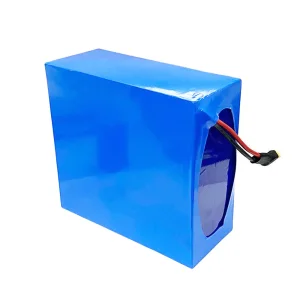
Custom 52V, 60V, 72V pack assemblies for light electric vehicles, mopeds, and delivery bicycles. The integrated graphene material facilitates 30-minute rapid charging cycles while maintaining safe pack temperatures during high-current urban climbs.
Get professional answers directly from our engineering team regarding material science, customization process, and safety compliance.
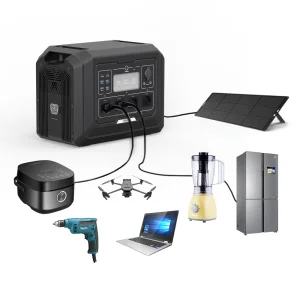
From portable backup generator systems to containerized grid storage modules, Volt Power delivers unmatched performance across scale.
 Volt Power