🌐 Industrial Status: As the world accelerates toward "Net Zero 2050," the demand for zero-emission batteries has evolved from a niche environmental requirement to a critical industrial backbone. In 2024, the global energy storage market is witnessing an unprecedented transition from traditional lead-acid systems to advanced Lithium Iron Phosphate (LiFePO4) and Solid-State technologies. This shift is driven by the urgent need for grid stability, the electrification of commercial transport, and the decentralization of energy production.
From the European Union's "Green Deal" to North America's "Inflation Reduction Act," regulatory frameworks are now mandating higher energy density, longer cycle lives, and ethically sourced raw materials. As a leading exporter, we provide the technical bridge between these stringent global standards and high-efficiency manufacturing.
Ningbo Volt Power Co., Ltd. is a professional China lithium battery manufacturer specializing in energy storage systems, solar batteries, and advanced power solutions.
With a focus on safety and energy efficiency, we provide reliable lithium technologies that help customers achieve sustainable power management.
Serving North America, Europe, Southeast Asia, and Australia, we are committed to delivering high-quality solutions and professional support.
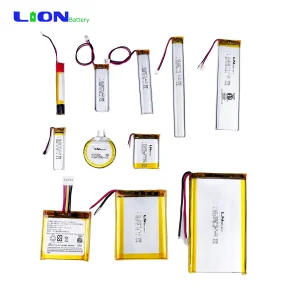
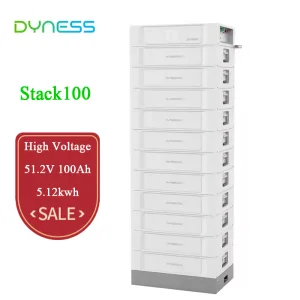
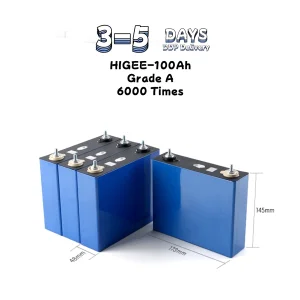
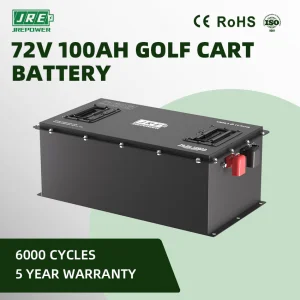
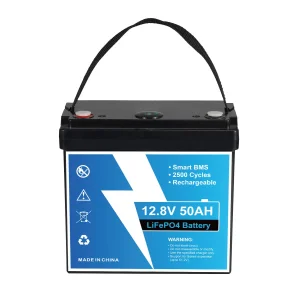
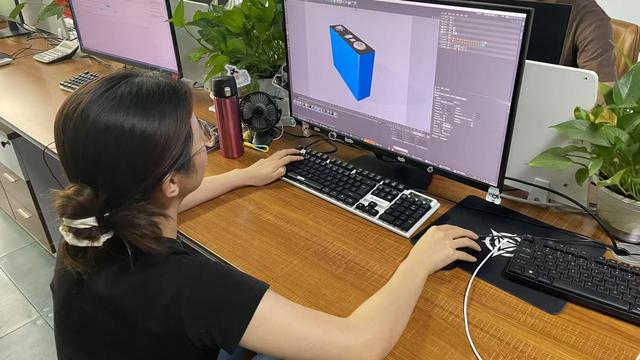
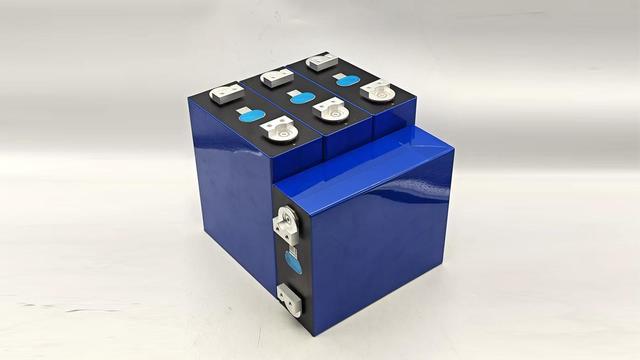
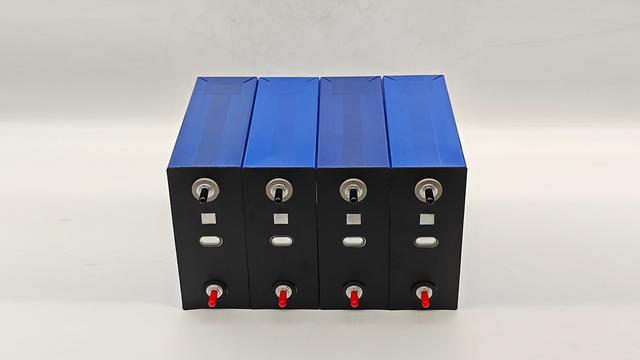
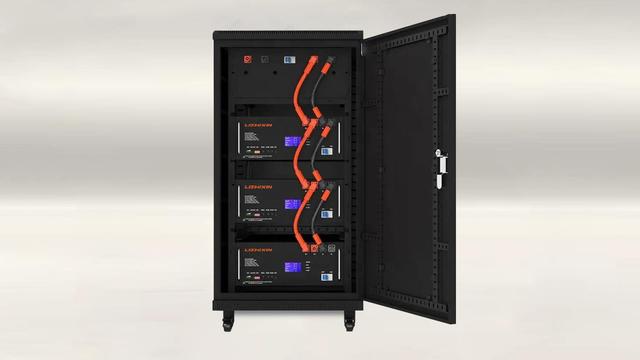
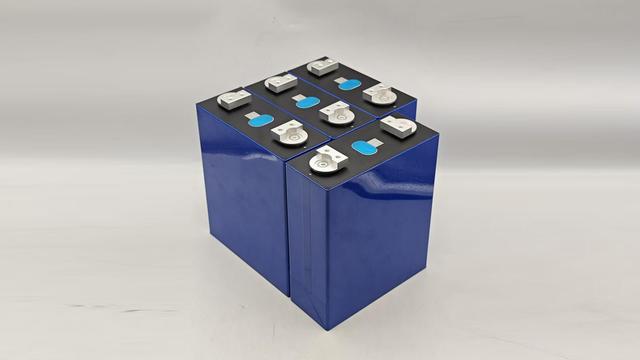
Our product portfolio includes lithium-ion batteries, lithium iron phosphate (LiFePO4) batteries, solar energy storage batteries, residential energy storage systems, commercial battery solutions, backup power systems, high-voltage battery packs, and renewable energy storage solutions. At Volt Power, we combine advanced battery engineering with modern manufacturing capabilities to deliver products that offer high energy density and long cycle life.
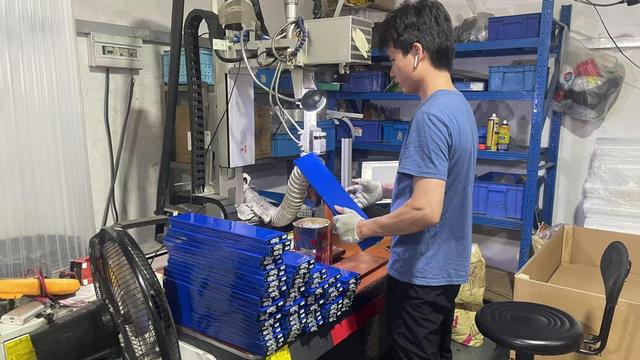
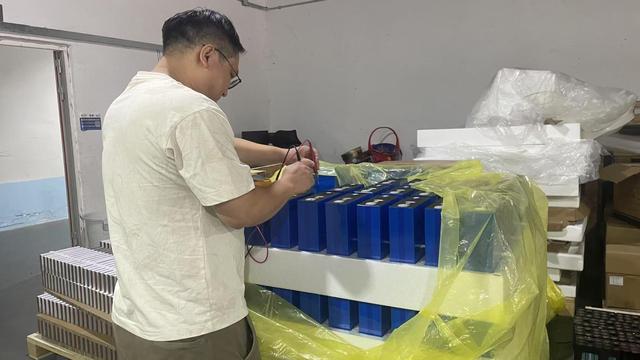
Every battery system undergoes comprehensive performance and safety testing. We operate under strict quality management procedures, covering material selection, cell integration, battery assembly, and final inspection.
China's dominance in the zero-emission battery sector is not just about scale; it's about ecosystem synergy. At our Ningbo facility, we leverage several key localized advantages:
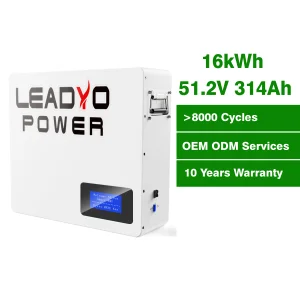
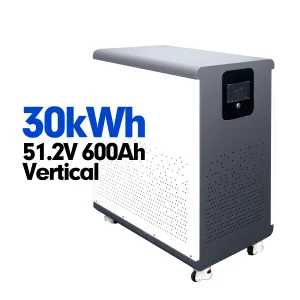
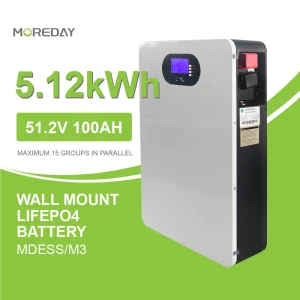
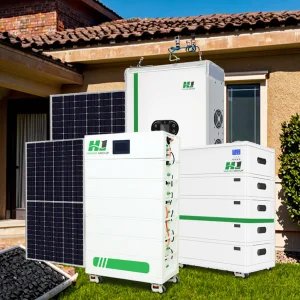
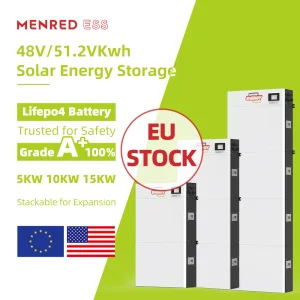
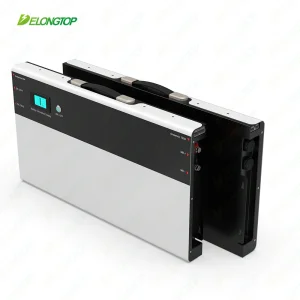
Wall-mounted Powerwalls (5kWh-20kWh) allow homeowners in Europe and North America to store excess solar energy, mitigating rising electricity costs and providing backup during grid failures.
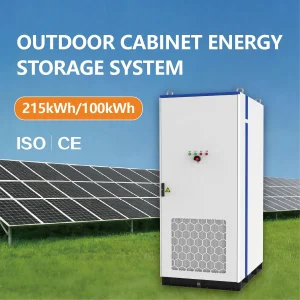
Containerized BESS (Battery Energy Storage Systems) for factories to reduce demand charges by discharging during peak hours, significantly lowering the Total Cost of Ownership (TCO).
Custom LiFePO4 packs for golf carts, marine vessels, and RVs, offering 3x the lifespan and 50% less weight compared to traditional lead-acid batteries.
The zero-emission battery sector is moving toward Smart Integration. Future trends include:
Predictive algorithms that monitor cell health at a granular level to prevent thermal runaway before it occurs.
Batteries that not only power the device but also sell energy back to the grid during peak demand.
Focus on "Second-Life" applications where EV batteries are repurposed for stationary home storage.
Professional buyers and EPC contractors prioritize three core factors when selecting a Chinese OEM partner:
UL1973, CE, UN38.3, and IEC62619 are non-negotiable for entry into Tier-1 markets.
Seamless communication with major inverters like Victron, SMA, Growatt, and Deye.
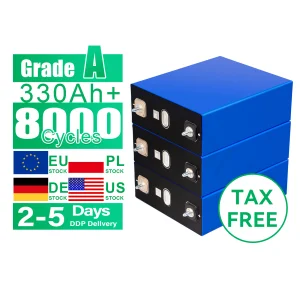
Localized warehousing (e.g., our Poland and EU stock) to eliminate long sea-freight waits.
A: While NMC offers higher energy density (better for small EVs), LiFePO4 (LFP) is superior for stationary storage due to its thermal stability, safety, and significantly higher cycle life (6000+ vs 1500 cycles). LFP also avoids the use of Cobalt, making it a more ethical and sustainable choice.
A: Yes. For regions like Northern Europe or Canada, we offer customized packs with integrated self-heating films. These systems use a small portion of the charging current to warm the cells to optimal operating temperatures (above 0°C) before initiating high-current charging.
A: High voltage systems (typically >200V) reduce the current required to deliver the same power. This minimizes heat loss in the cables, increases overall system efficiency, and allows for faster charging/discharging rates in commercial applications.
A: We utilize OCV (Open Circuit Voltage) testing, internal resistance matching, and capacity grading. Every cell used in our modules has a documented history and is matched within a very tight tolerance (±5mV) to ensure pack balance.
 Volt Power