Explore our elite selection of ultra-high-rate battery systems, high-voltage commercial BESS modules, and custom integration packs engineered for immediate power response.
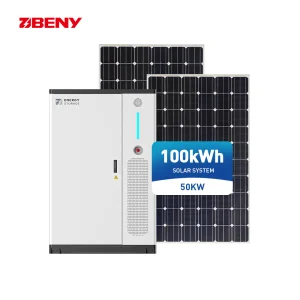
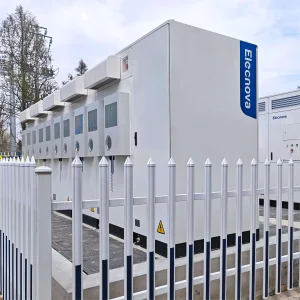
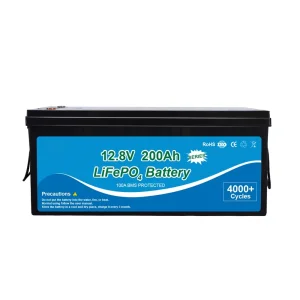
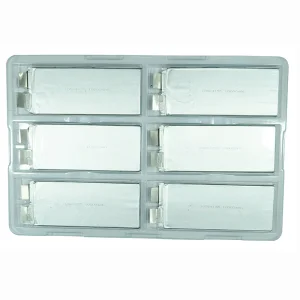
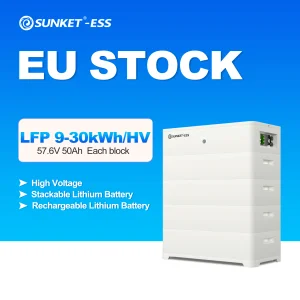
Ningbo Volt Power Co., Ltd. is a professional China lithium battery and energy storage technology manufacturer, specializing in industrial-grade energy storage systems, solar batteries, and advanced power solutions for residential, commercial, industrial, and high-intensity renewable energy applications. Recognizing the paradigm shift toward high-power density, fast frequency regulation, and long-duration storage, we have integrated ultra-capacitor (supercapacitor) engineering and hybrid energy storage systems (HESS) directly into our core product architecture.
With a strong focus on innovation, safety, and energy efficiency, we provide reliable lithium battery technologies and ultra-capacitor integration configurations that assist customers in achieving sustainable and dependable power management. By pairing the rapid charging, massive power output, and exceptional cycle life of ultra-capacitors with the sustained energy delivery of lithium iron phosphate (LiFePO4) chemistries, we offer high-voltage battery stations and hybrid systems that eliminate the historical trade-off between power and energy.
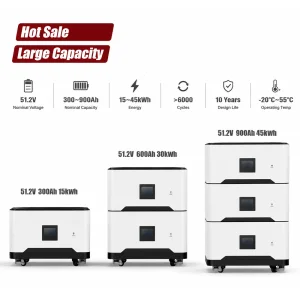
Our expansive product portfolio encompasses lithium-ion batteries, lithium iron phosphate (LiFePO4) packs, high-voltage battery banks, solar energy storage batteries, commercial/industrial (C&I) backup units, and customized energy storage systems. Our units are widely deployed across global networks, serving telecommunications, grid frequency stability projects, drone and UAV operations, high-torque industrial machinery, marine auxiliary units, and residential backup markets.
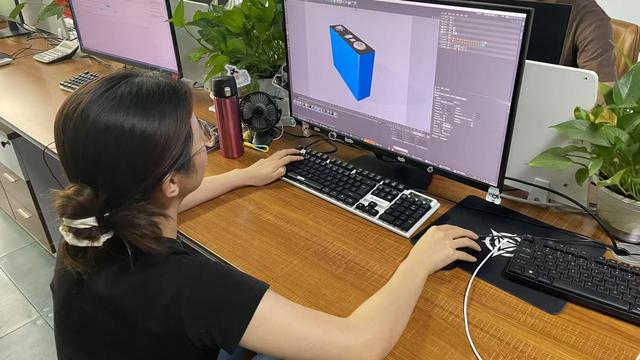
Volt Power operates as a comprehensive, end-to-end OEM and ODM manufacturer. We oversee every element of design, from electrochemical cell selection, structural pack integration, and custom thermal mitigation systems to smart battery management system (BMS) engineering. By doing so, we ensure that every system leaving our factory is optimized for safety, durability, and maximum capacity retention under challenging operational conditions.
Examining the technological divergence, hybrid convergence, and future trajectory of power-critical industries.
Electric Double-Layer Capacitors (EDLCs) utilize electrostatic charge storage to deliver hundreds of thousands of times the power density of traditional batteries. The latest industry developments focus on integrating graphene, carbon nanotubes, and lithium-ion capacitors (LiCs). These materials elevate the energy density of capacitors while maintaining sub-millisecond discharge rates, making them suitable for grid stabilization and heavy industrial operations.
Modern electrical infrastructure demands both immediate power delivery and sustained backup energy. Combining lithium-ion batteries (high energy density) with ultra-capacitors (high power density) creates Hybrid Energy Storage Systems (HESS). This configuration protects the lithium batteries from the degradation associated with high-current pulses, extending system lifetimes by up to 300% and lowering overall project costs.
With wind and solar representing a growing share of global generation, grids face significant volatility. Ultra-capacitors respond dynamically within milliseconds to frequency anomalies, providing virtual inertia that stabilizes microgrids and utility-scale grids. This prevents voltage sags and grid failures before longer-duration battery systems or diesel generators activate.
Key criteria utilized by EPC contractors, system integrators, and industrial engineers for evaluating energy storage partners.
B2B procurement professionals evaluating OEM/ODM ultra-capacitor manufacturers focus on technical performance metrics, safety certifications, and supply chain reliability. Unlike standard consumer battery packs, industrial energy units operate in harsh environments under continuous cycle demands. Consequently, modern design verification requires a rigorous analysis of Equivalent Series Resistance (ESR), operating temperature thresholds, and BMS communication protocols.
| Performance Indicator | Standard Ultra Capacitor (EDLC) | Lithium Iron Phosphate (LiFePO4) | Volt Power Hybrid Solution (HESS) |
|---|---|---|---|
| Cycle Life (100% DoD) | 500,000 to 1,000,000+ Cycles | 4,000 to 8,000 Cycles | Hybridization protects batteries, yielding 15,000+ equivalent cycles |
| Specific Power (W/kg) | Up to 10,000 W/kg | 500 to 1,500 W/kg | Optimized high-rate delivery (~5,000 W/kg dynamically) |
| Specific Energy (Wh/kg) | 4 to 10 Wh/kg | 140 to 180 Wh/kg | Balancing sustained storage (~110 Wh/kg overall system) |
| Charging Time | Milliseconds to Seconds | 1 to 4 Hours | Dual-rate charging (capacitor buffers load, batteries fill steadily) |
| Temperature Range | -40°C to +85°C | -20°C to +60°C | Custom liquid/forced-air systems match -40°C to +65°C demands |
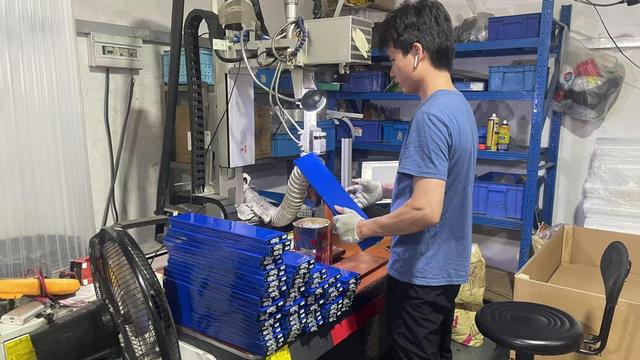
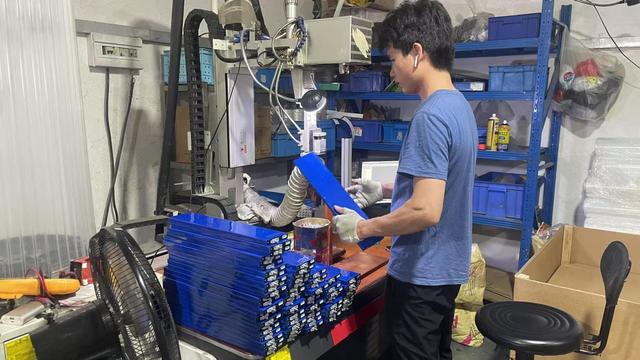
Volt Power combines advanced battery engineering with modern manufacturing capabilities to deliver high-quality, high energy density solutions. Located in Ningbo, a prominent industrial hub, our manufacturing facility operates under strict quality management procedures, covering material selection, cell integration, battery assembly, testing, and final inspection.
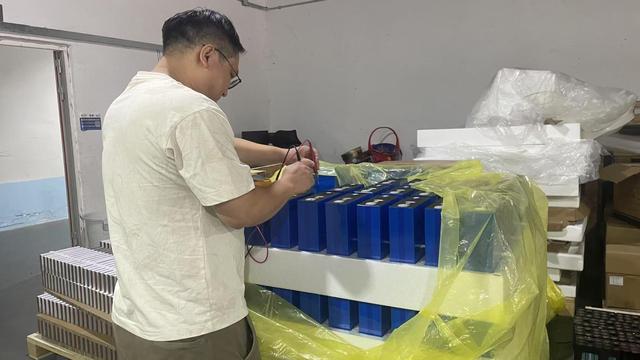
Our Factory 4.0 model leverages fully automated cell-matching systems and laser-welding lines to maintain low internal contact resistance. We control relative humidity down to a dew point of -50°C during cell assembly and electrolyte filling. Every battery and ultra-capacitor bank undergoes performance testing, high-temperature aging, and safety verification under demanding conditions before shipping.
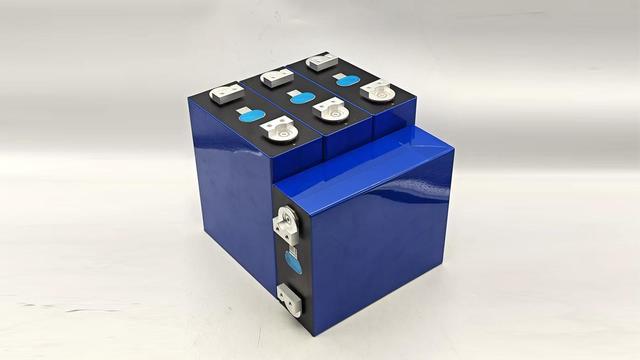
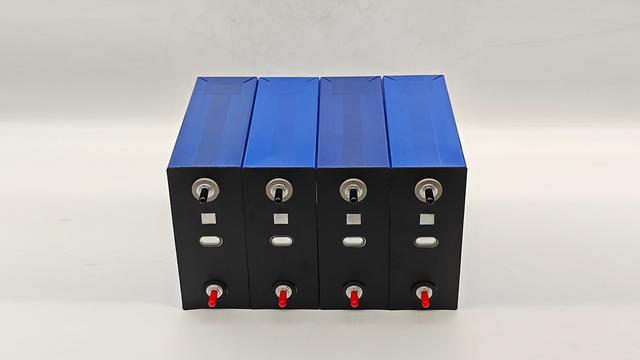
From remote wind farms to urban rail transit systems, our integrated power systems deliver reliability globally.
When high winds trigger safety cut-outs, wind turbine blades must feather instantly to prevent mechanical damage. Our ultra-capacitor modules supply instant backup energy to the blade pitching motors, maintaining operation even during total power grid loss.
In heavy electric transit buses and harbor cranes, deceleration releases significant energy in short bursts. Volt Power hybrid battery/capacitor configurations capture this high-current energy and redistribute it for subsequent acceleration cycles.
For large-scale computing centers, even a brief interruption in power can result in data corruption. Our high-voltage battery stations integrated with capacitor banks supply seamless bridging power during the transition between grid outages and diesel generator start-ups.
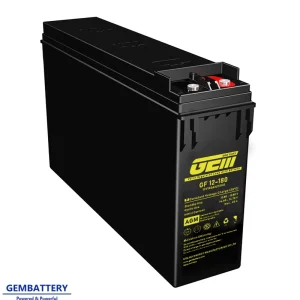
Operating base transceiver stations (BTS) in extreme climates requires battery packs resistant to temperature-induced capacity loss. Our front-terminal lead-acid replacement batteries and hybrid capacitor modules deliver sustained performance under challenging environmental conditions.
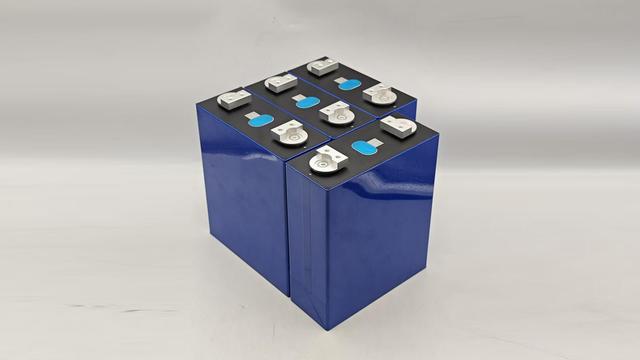
Detailed answers to technical questions concerning ultra-capacitors, lithium batteries, and custom energy systems integration.
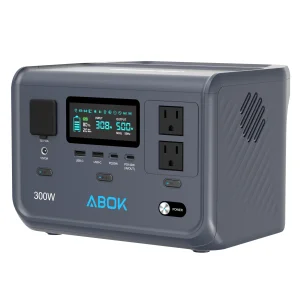
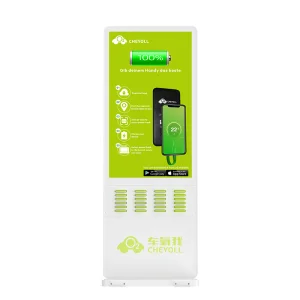
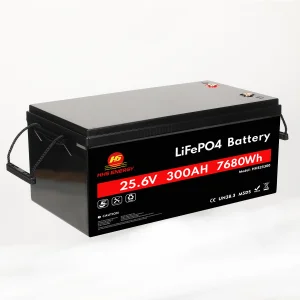
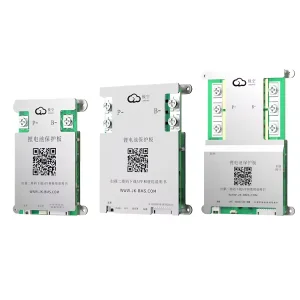
Select from our specialized power components, smart active balancing BMS systems, high-capacity cells, and portable power stations.
 Volt Power