Ensuring continuous data collection with high-reliability power systems.
A Comprehensive Guide for B2B Procurement and Industrial Scaling.
In 2024, environmental monitoring has transitioned from a regulatory "check-box" to a core strategic asset for global enterprises. With the escalation of ESG (Environmental, Social, and Governance) reporting requirements in the EU, North America, and Southeast Asia, companies are now mandated to provide transparent, real-time data on air quality, water contamination, soil health, and noise pollution.
Top 10 Environmental Monitoring Systems Supplier & Exporters are no longer just selling sensors; they are providing comprehensive data ecosystems. These systems must operate in harsh environments—from the high-salinity coasts of Australia to the extreme heat of the Middle East—requiring industrial-grade power backup and intelligent telecommunications integration.
The technological trajectory of environmental monitoring is evolving through four distinct phases:
For procurement directors at multinational corporations, the search for the right supplier involves evaluating "Total Cost of Ownership" (TCO) rather than just the initial price. The Top 10 suppliers distinguished themselves through three key pillars:
High-density air quality grids that integrate directly into urban traffic and health management platforms.
Explosion-proof monitoring systems for oil & gas and chemical sectors that meet ATEX/IECEx certifications.
Automated sampling and analysis for desalination plants and wastewater facilities.
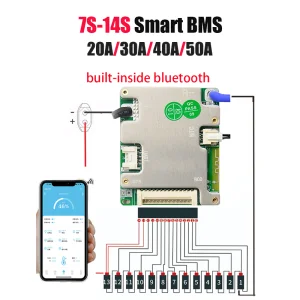
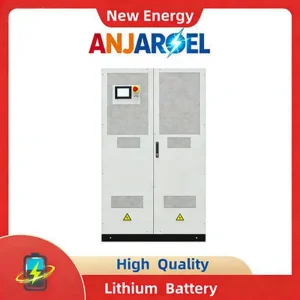
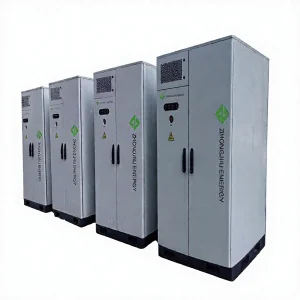
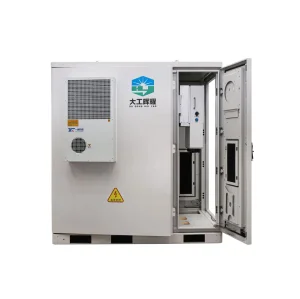
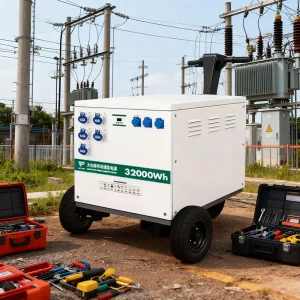
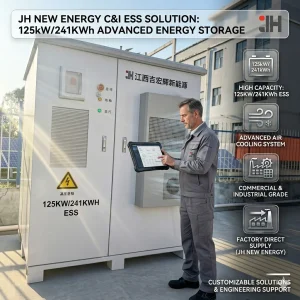
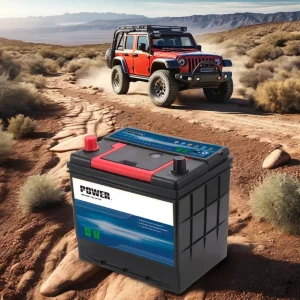
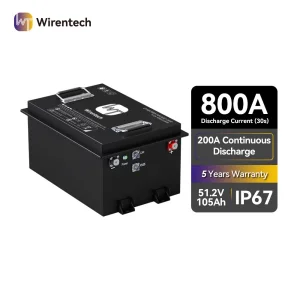
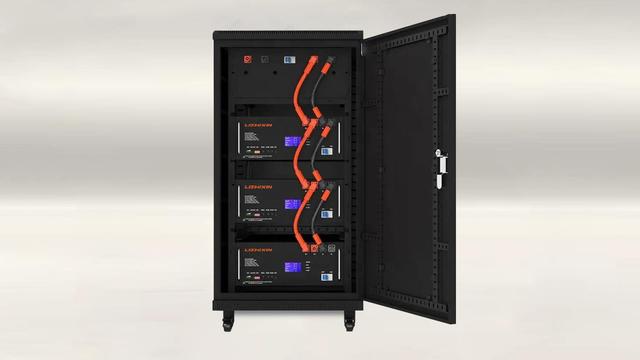
Integration with Energy Storage Systems (ESS) to ensure 24/7 monitoring even in remote areas without grid access.
Blockchain-backed data logging to prevent manipulation of environmental reports during audits.
Powering the sensors that monitor our world.
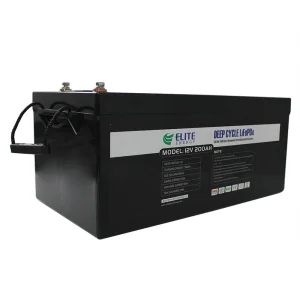
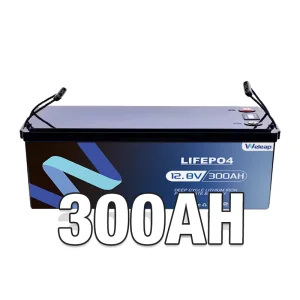
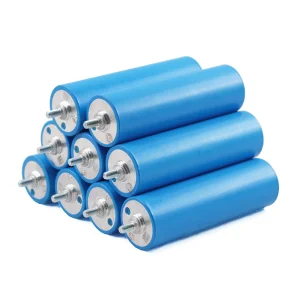
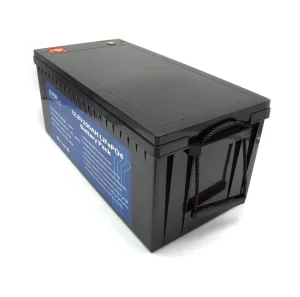
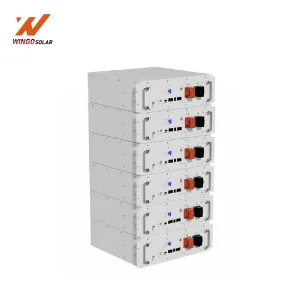
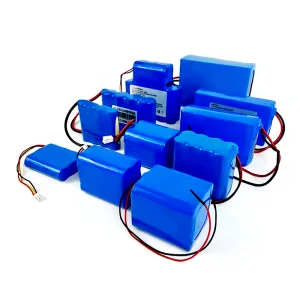
Ningbo Volt Power Co., Ltd. is a professional China lithium battery manufacturer specializing in energy storage systems, solar batteries, and advanced power solutions for residential, commercial, industrial, and renewable energy applications. While environmental monitoring systems collect the data, Volt Power provides the reliable energy required to keep those systems operational under the most demanding conditions.
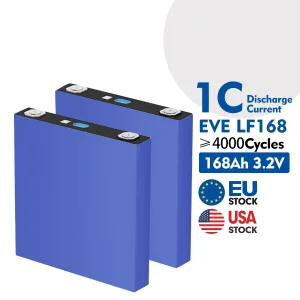
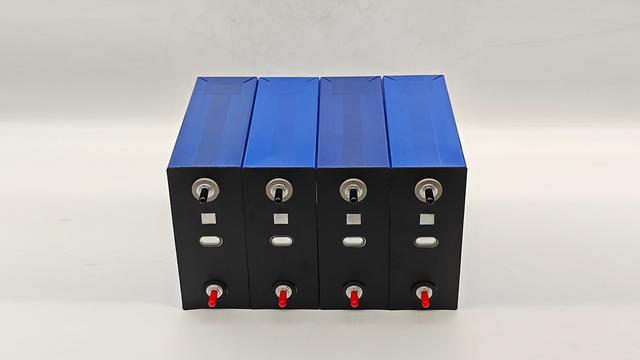
Our product portfolio includes lithium-ion batteries, lithium iron phosphate (LiFePO4) batteries, solar energy storage batteries, and residential energy storage systems. Designed to meet the growing demand for clean energy and intelligent power management, our products are widely used in solar energy projects, telecommunications, and industrial facilities.
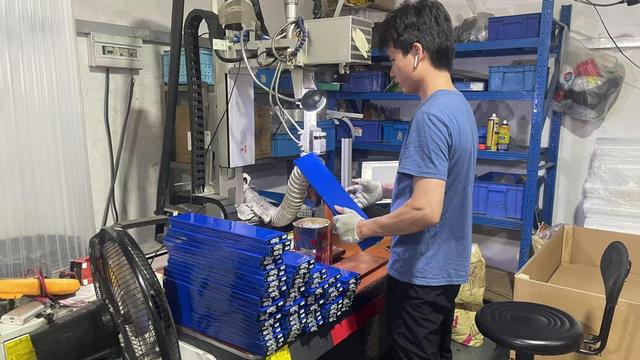

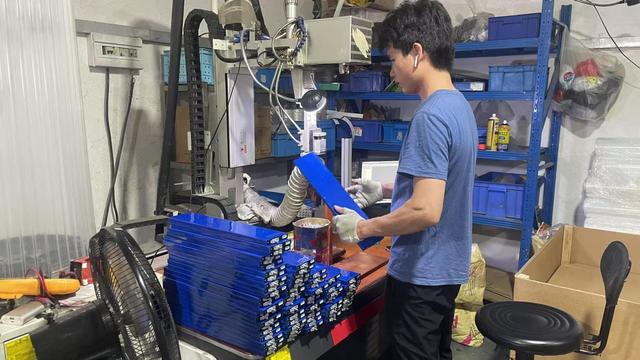
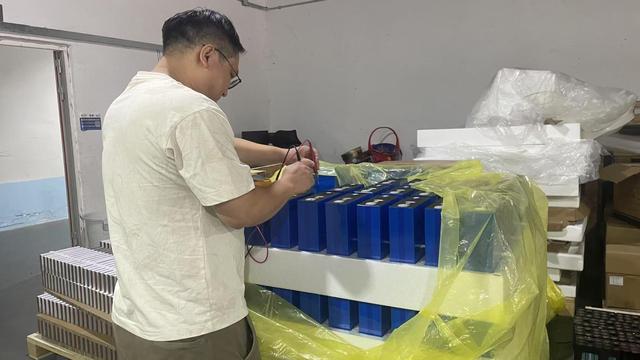
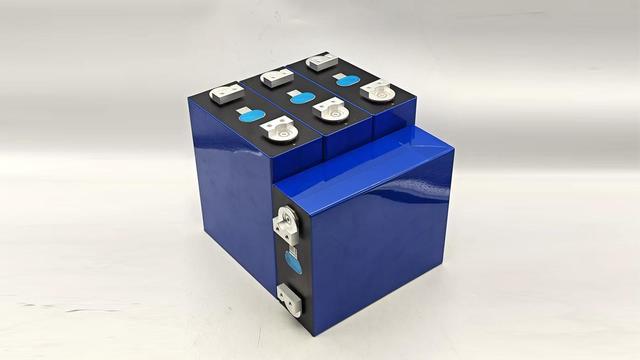
At Volt Power, we combine advanced battery engineering with modern manufacturing capabilities. Every battery system undergoes comprehensive performance and safety testing. We offer flexible OEM and ODM services for energy companies and environmental project developers, ensuring that specific voltage, capacity, and performance requirements are met for remote monitoring deployments.


Navigating the complexities of international environmental standards.
Entering international markets requires deep knowledge of local regulations. Top exporters provide comprehensive support for:
Explore our full range of rechargeable cells and industrial storage units.
 Volt Power