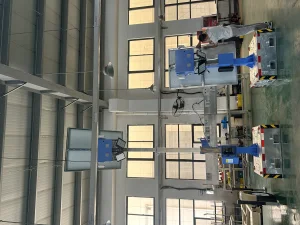
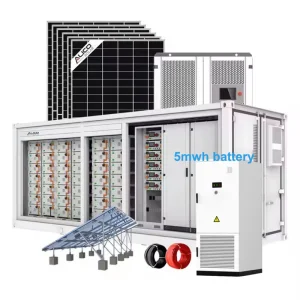
Explore our flagship tier-1 energy storage systems engineered for maximum volumetric efficiency, long cycle life, and absolute operational safety.
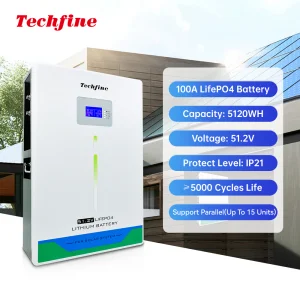
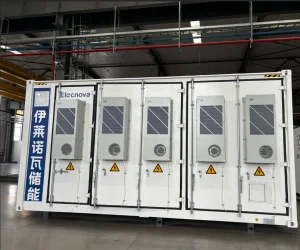
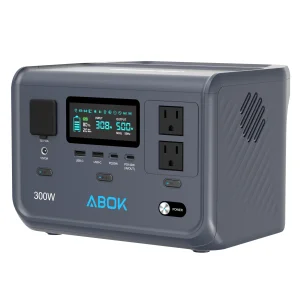
In the rapidly advancing landscape of electrochemical energy storage, energy density serves as the definitive engineering metric dictating economic viability, physical footprint, and operational range. Energy density is evaluated across two critical dimensions: Gravimetric Energy Density (measured in Watt-hours per kilogram, Wh/kg), which determines system weight, and Volumetric Energy Density (measured in Watt-hours per liter, Wh/L), which determines spatial occupancy. For tier-1 procurement managers, project developers, and system integrators, selecting top-trusted battery energy density suppliers requires an intimate understanding of cathode chemistry evolutions, cell-to-pack (CTP) structural innovation, and thermal balance management.
Over the past decade, Lithium Iron Phosphate (LiFePO4 or LFP) and Nickel Manganese Cobalt (NMC) chemistries have experienced exponential performance leaps. Historical LFP prismatic cells yielded energy densities in the range of 100–120 Wh/kg. Today, advanced manufacturing breakthroughs—such as synthetic graphite anodes with silicon-carbon (Si-C) composite doping, ultra-thin current collectors, and high-packing-density cathode formulations—have elevated commercial LiFePO4 cells beyond 160–185 Wh/kg at the cell level, while maintaining superior thermal stability up to 500°C without exothermal runaway risk.
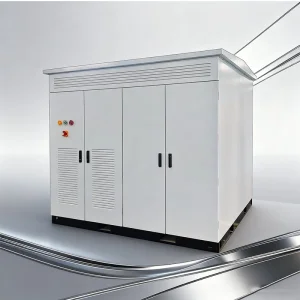
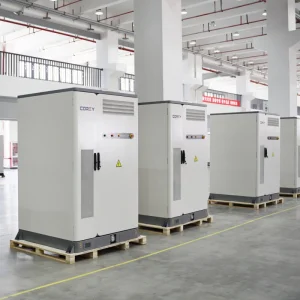
While EV applications prioritize Wh/kg to reduce curb weight, stationary Utility-Scale and Commercial & Industrial (C&I) Energy Storage Systems (BESS) prioritize Volumetric Energy Density (Wh/L) and Cell-to-Pack Integration Efficiency. Modern CTP 3.0 containerized designs eliminate intermediate module housings, boosting system-level volumetric energy density by over 40% and enabling 3.4MWh to 5MWh energy storage capacities within standard 20-foot ISO intermodal containers.
To assist procurement directors in evaluating trade-offs between longevity, safety, and energy packing efficiency, the matrix below outlines current commercial benchmarks across leading lithium formulations:
| Battery Chemistry / Structure | Cell Energy Density (Wh/kg) | Volumetric Density (Wh/L) | Cycle Life (80% DOD) | Thermal Runaway Onset (°C) | Primary Industrial Use Case |
|---|---|---|---|---|---|
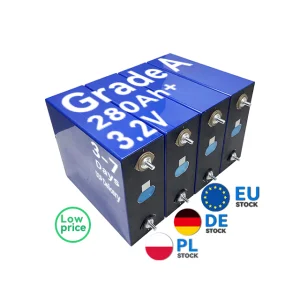
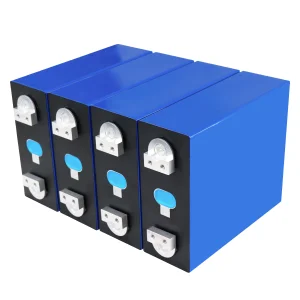
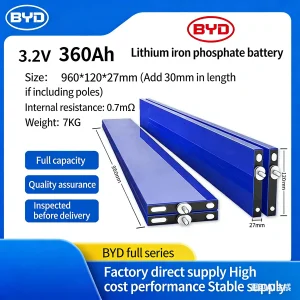
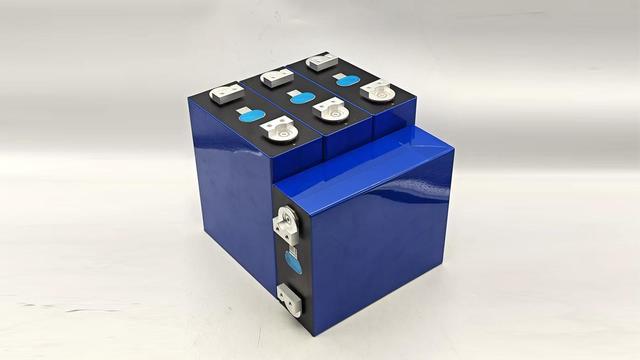
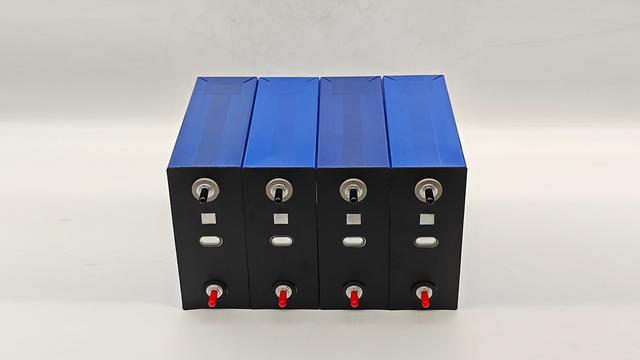
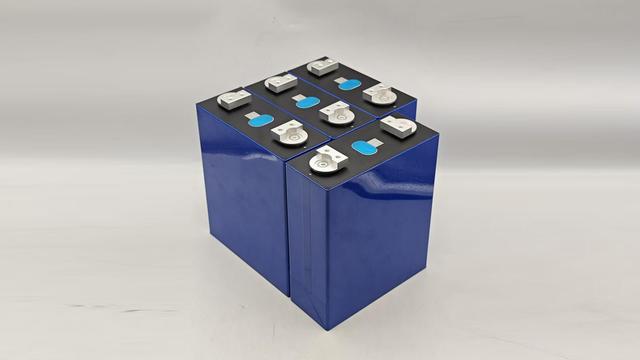
| Advanced Prismatic LiFePO4 (314Ah / 360Ah) | 165 - 185 Wh/kg | 350 - 410 Wh/L | 6,000 - 10,000 Cycles | ~270°C to 300°C | Grid Energy Storage, C&I BESS, Heavy Mobility |
| High-Blade LiFePO4 Cells | 170 - 190 Wh/kg | 380 - 430 Wh/L | 7,000 - 9,000 Cycles | ~270°C | Space-Constrained Commercial Units, RV, Marine |
| NMC High-Nickel (811 Formulations) | 250 - 300 Wh/kg | 600 - 750 Wh/L | 2,000 - 3,500 Cycles | ~210°C | High-Performance Passenger EVs, Aerospace |
| Next-Gen Semi-Solid State (LFP/NMC) | 300 - 360 Wh/kg | 700 - 850 Wh/L | 4,000 - 6,000 Cycles | >350°C | Emerging Commercial Aviation, Military, Premium ESS |
| Traditional Lead-Acid / AGM (Baseline) | 30 - 50 Wh/kg | 70 - 90 Wh/L | 500 - 1,200 Cycles | Thermally Vulnerable | Legacy Backup Power, UPS (Phasing Out) |
When global enterprises purchase high-density battery equipment, technical decision-makers must navigate the classic engineering trilemma: balancing high energy density, rigorous thermal safety, and Levelized Cost of Storage (LCOS). Over-indexing on energy density without evaluating safety certification or degradation physics frequently results in accelerated capacity loss, high maintenance overheads, or severe regulatory compliance hurdles.
Enterprise procurement mandates multi-layer safety validation including UL1973, UL9540A thermal runaway propagation testing, IEC62619, and UN38.3 transport certification to guarantee zero failure rates in high-density configurations.
Higher volumetric energy density directly translates to reduced real estate requirements, minimal shipping container counts, reduced balance-of-plant (BOP) cabling, and significantly lower civil installation expenditure.
High-density battery packs require active cell balancing microcontrollers capable of monitoring millivolt variances, internal resistance changes, and localized temperature gradients in real time.
Leading international energy companies, renewable project developers, and industrial facilities are shifting their sourcing parameters away from raw upfront cell cost ($/kWh) toward total lifecycle yield ($/kWh/cycle). By sourcing high-density prismatic cells (e.g., EVE MB31 314Ah, Cornex 314Ah, or Blade formats), integrators achieve superior return on investment through 8,000+ deep cycles, minimal capacity fade, and simplified active liquid cooling integration.
China currently accounts for over 75% of global lithium-ion battery manufacturing capacity and more than 85% of global LiFePO4 production. This dominance is not merely a product of scale, but the result of deep vertical supply chain integration—ranging from precursor chemical processing and cathode synthesis to automated cell winding, laser tab welding, and AI-driven quality inspection.
The Industry 4.0 transformation within Chinese battery manufacturing facilities has set unprecedented global quality control benchmarks. Automated Production Lines leverage computer vision (AOI) to inspect coating thickness down to sub-micron tolerances, while automated aging chambers conduct 100% capacity grading and electrochemical impedance spectroscopy (EIS) on every single cell prior to module assembly.
Direct ownership and strategic joint ventures in raw material refining (Lithium, Iron Phosphate, Synthetic Graphite) buffer Chinese manufacturers against global commodity volatility, delivering guaranteed pricing stability for enterprise buyers.
Fully automated smart factories employ robotic assembly and continuous laser welding, maintaining cell-level defect rates below single-digit parts per million (PPM), essential for high-voltage stack security.
With established supply networks for enclosures, liquid-cooling plates, and specialized BMS hardware, Chinese manufacturers reduce product development cycles from years to weeks.
As renewable energy penetration accelerates across North America, Europe, Australia, Southeast Asia, and the Middle East, high-density energy storage systems have transitioned from optional back-up assets to core grid-stabilization infrastructure.
North America & Europe: Regulatory mandates (such as FERC Order 841 in the US and EU Renewable Energy Directives) incentivize commercial entities to install on-site BESS for peak shaving, demand charge reduction, and virtual power plant (VPP) participation. High volumetric energy density is paramount due to stringent municipal building codes and high land acquisition costs.
Southeast Asia & Middle East: Rapid industrialization, combined with harsh environmental conditions, requires robust, high-density battery energy systems equipped with advanced thermal management. Microgrid installations in remote islands, desert mining operations, and telecom infrastructure demand long-duration storage with minimal heat-induced performance degradation.
High-density lithium batteries are tailored across diverse engineering domains, each presenting distinct physical, mechanical, and electrical constraints:
Configured in 20ft or 40ft ISO enclosures, utilizing 314Ah / 360Ah high-density prismatic cells with central liquid-cooling units, aerosol fire suppression, and smart HVAC control for grid frequency regulation and solar smoothing.
Compact, high-density 48V/51.2V 100Ah/200Ah modules designed for sleek wall-mounting or server-rack integration, delivering continuous emergency backup and self-consumption optimization for smart homes.
High-voltage (300V - 400V) IP67 saltwater-proof lithium packs engineered to withstand continuous vibration, wave impact, and humid marine atmospheres with zero maintenance requirements.
Standardized 19-inch rack-mounted LiFePO4 batteries engineered for high ambient temperature tolerance, remote SNMP monitoring, and ultra-fast charging capability.
Custom 48V/51.2V high-discharge LiFePO4 battery packs replacing heavy lead-acid batteries, providing 3x the range and 5x the service lifespan with half the pack weight.
Modular, high-energy-density portable units certified under ADR and UN38.3 standards for emergency field ops, outdoor construction, and off-grid mobile work sites.
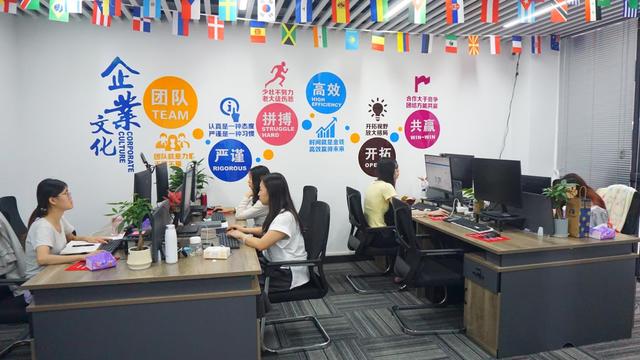
Ningbo Volt Power Co., Ltd. is a professional China lithium battery manufacturer specializing in energy storage systems, solar batteries, and advanced power solutions for residential, commercial, industrial, and renewable energy applications. With a strong focus on innovation, safety, and energy efficiency, we provide reliable lithium battery technologies that help customers achieve sustainable and dependable power management.
Our product portfolio includes lithium-ion batteries, lithium iron phosphate (LiFePO4) batteries, solar energy storage batteries, residential energy storage systems, commercial battery solutions, backup power systems, high-voltage battery packs, renewable energy storage solutions, and customized battery systems. Designed to meet the growing demand for clean energy and intelligent power management, our products are widely used in solar energy projects, telecommunications, industrial facilities, electric mobility applications, and off-grid power systems.
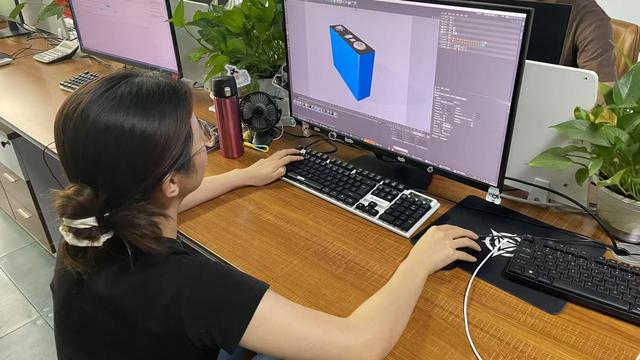
At Volt Power, we combine advanced battery engineering with modern manufacturing capabilities to deliver products that offer high energy density, long cycle life, excellent safety performance, and reliable operation. Our experienced research and development team continuously invests in battery innovation, energy storage technologies, and battery management systems to support the evolving needs of global energy markets.
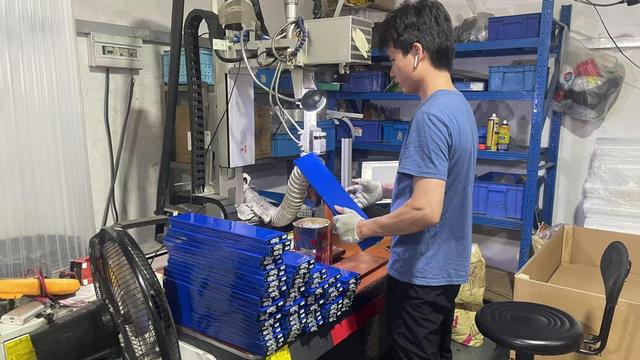
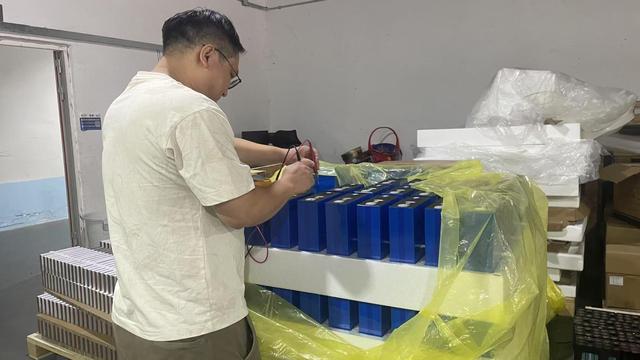
Quality and safety are fundamental to our operations. Our manufacturing facility operates under strict quality management procedures, covering material selection, cell integration, battery assembly, testing, and final inspection. Every battery system undergoes comprehensive performance and safety testing to ensure dependable operation under demanding conditions.
In addition to standard battery products, Ningbo Volt Power Co., Ltd. provides flexible OEM and ODM services for energy companies, distributors, project developers, equipment manufacturers, and private-label brands. Our customized solutions are designed to meet specific voltage, capacity, application, and performance requirements.
Serving customers across North America, Europe, Southeast Asia, Australia, the Middle East, and other international markets, Volt Power is committed to delivering high-quality lithium battery solutions, competitive value, and professional customer support. Our mission is to become a trusted global partner in energy storage technology, helping customers power a more efficient, sustainable, and energy-independent future.
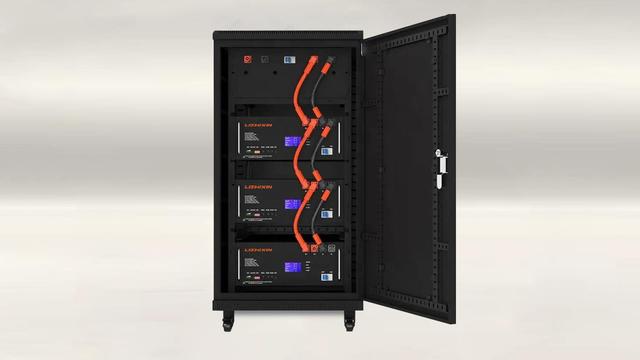
Get expert answers to critical questions regarding battery energy density, procurement compliance, degradation factors, and OEM services.
Gravimetric energy density measures total electrical energy per unit of mass (weight), which is critical for mobile applications such as electric vehicles and drones. Volumetric energy density measures total electrical energy per unit of volume (space occupied), which is the dominant consideration for stationary Commercial & Industrial (C&I) and Utility-scale battery energy storage systems (BESS) where physical footprint, enclosure sizing, and installation footprint dictate project capital expenditure.
While NMC chemistries offer higher gravimetric density (up to 300 Wh/kg), LiFePO4 provides drastically superior thermal stability (thermal runaway threshold at ~270°C vs ~210°C for NMC), exceptional calendar life (up to 15-20 years), higher cycle counts (6,000–10,000 deep cycles), and significantly lower material costs. For stationary systems where weight is non-critical, LFP yields a far lower Levelized Cost of Storage (LCOS) and unmatched intrinsic safety.
Ningbo Volt Power integrates Tier-1 Grade A prismatic cells (such as 314Ah/360Ah high-density formats) coupled with custom micro-processor BMS architecture. Our systems feature active thermal management (liquid cooling plates), short-circuit proof busbar connections, cell-level isolation barriers, and automated fire-suppression mechanisms. Every batch is rigorously certified under UN38.3, UL1973, and CE standards prior to dispatch.
Under standard operating conditions (0.5C charge/discharge at 25°C with 80% Depth of Discharge), our high-density LiFePO4 prismatic cell series retains over 80% of nominal capacity after 6,000 to 8,000 cycles. With active liquid cooling maintaining optimal ambient cell temperature, operational service life regularly exceeds 15 years of daily peak-shaving operations.
Yes. We offer complete turnkey OEM/ODM engineering services including custom enclosure metalwork, customized battery management system (BMS) communication protocol integration (CANbus, RS485, Modbus TCP), custom high-voltage stack engineering (up to 1000V+), private labeling, and regional certification support for global project developers.
Higher volumetric density allows more kilowatt-hours (kWh) of capacity to be packed into standard ocean shipping containers or hazardous-material pallet configurations. This reduces freight cost per kWh by up to 25–30%, minimizes port handling complexity, and significantly lowers inland transportation costs for project developers.
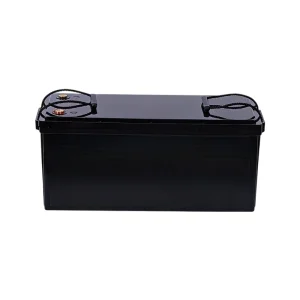
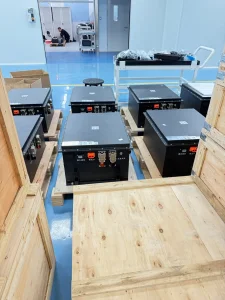
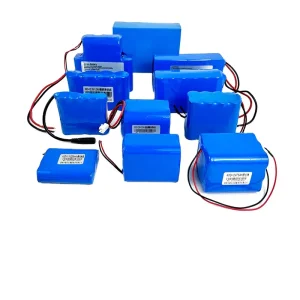
From high-voltage industrial cabinets to marine battery systems and customized power packs.
 Volt Power