Volt Power
1 / 5
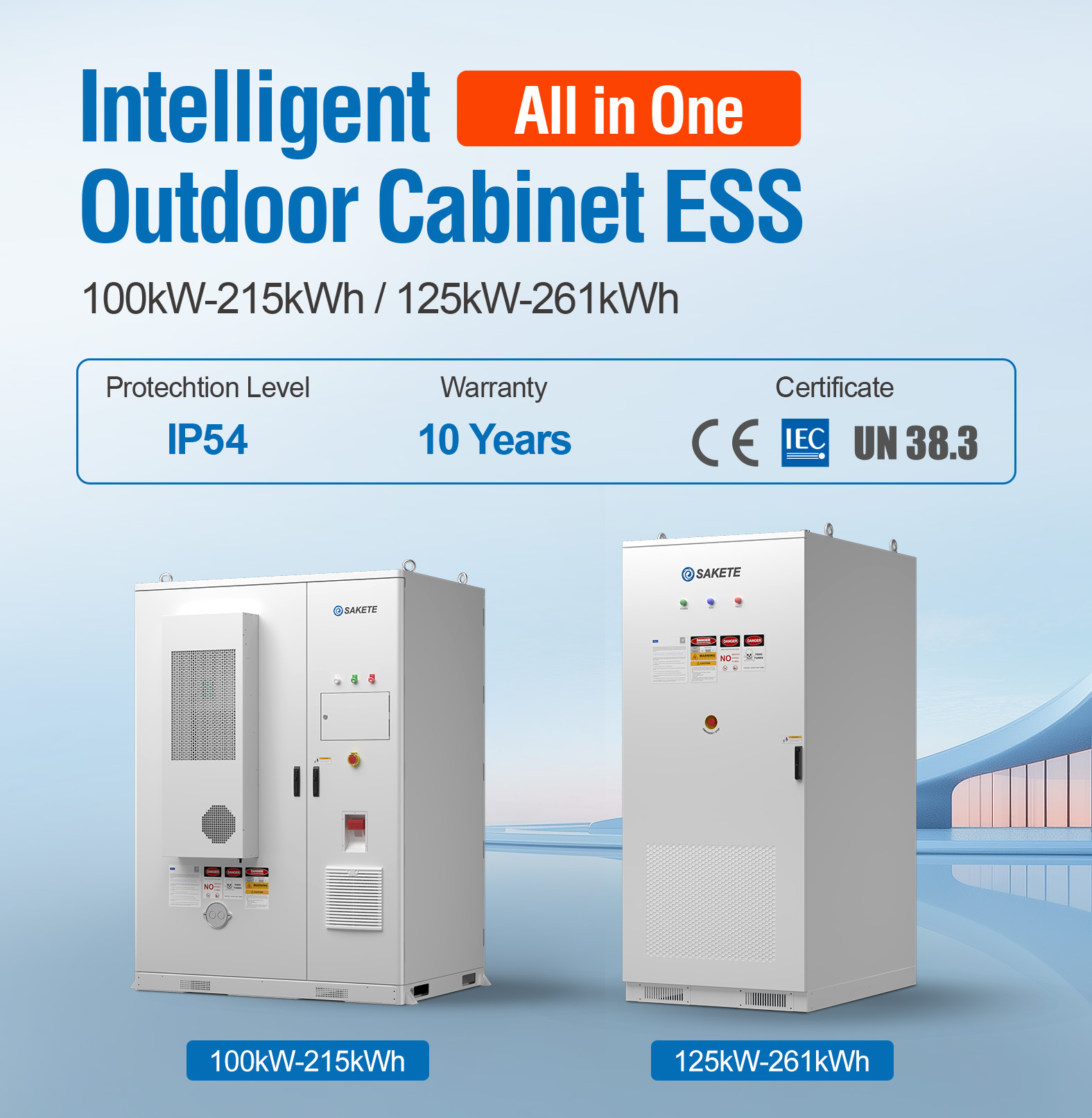
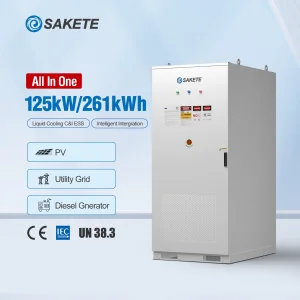
| Model | SKTESS215-100K | |
| DC Specifications | ||
| DC Side | Battery Type | LiFePO4 |
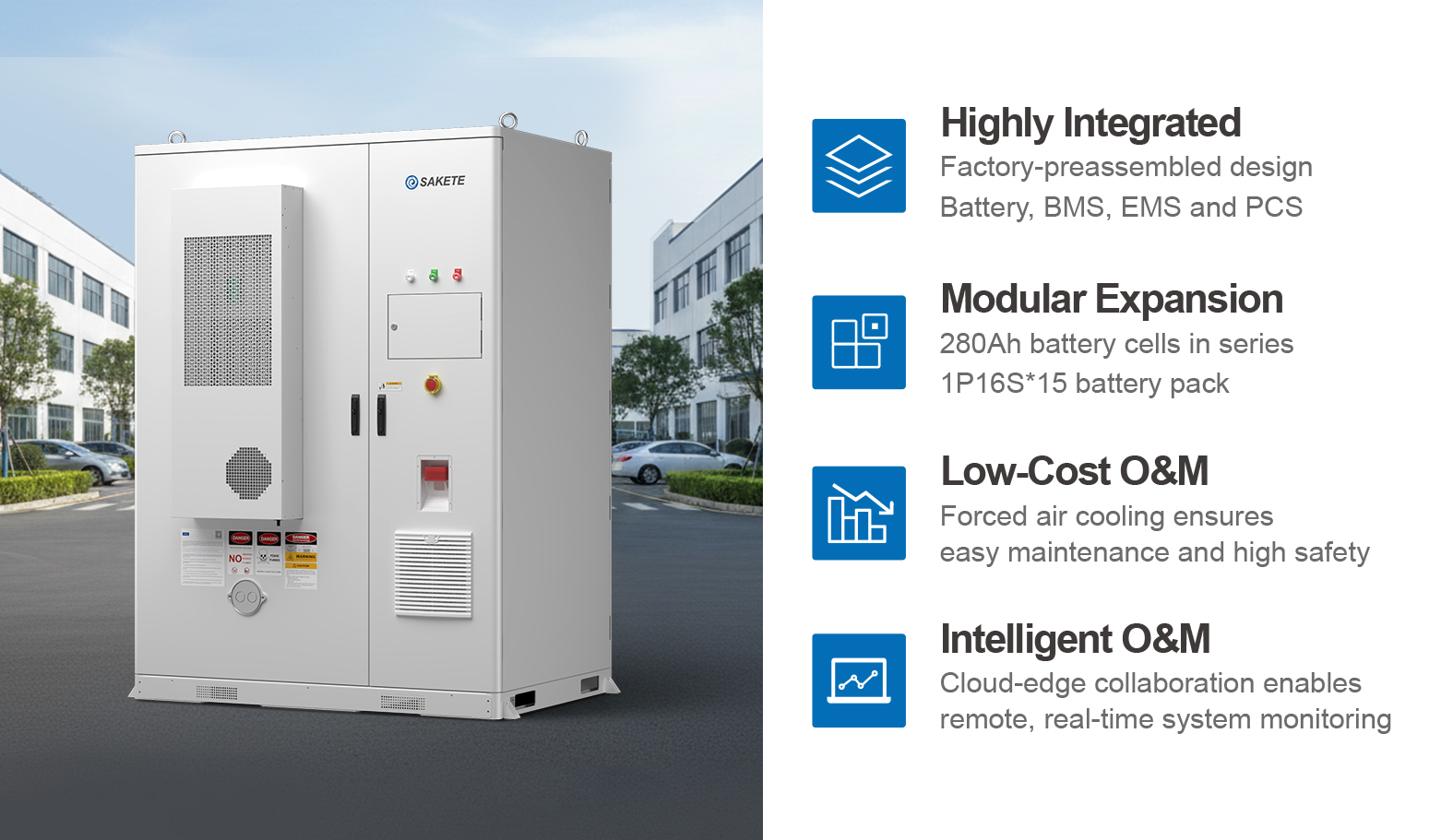
| Battery Capacity | 280Ah | |
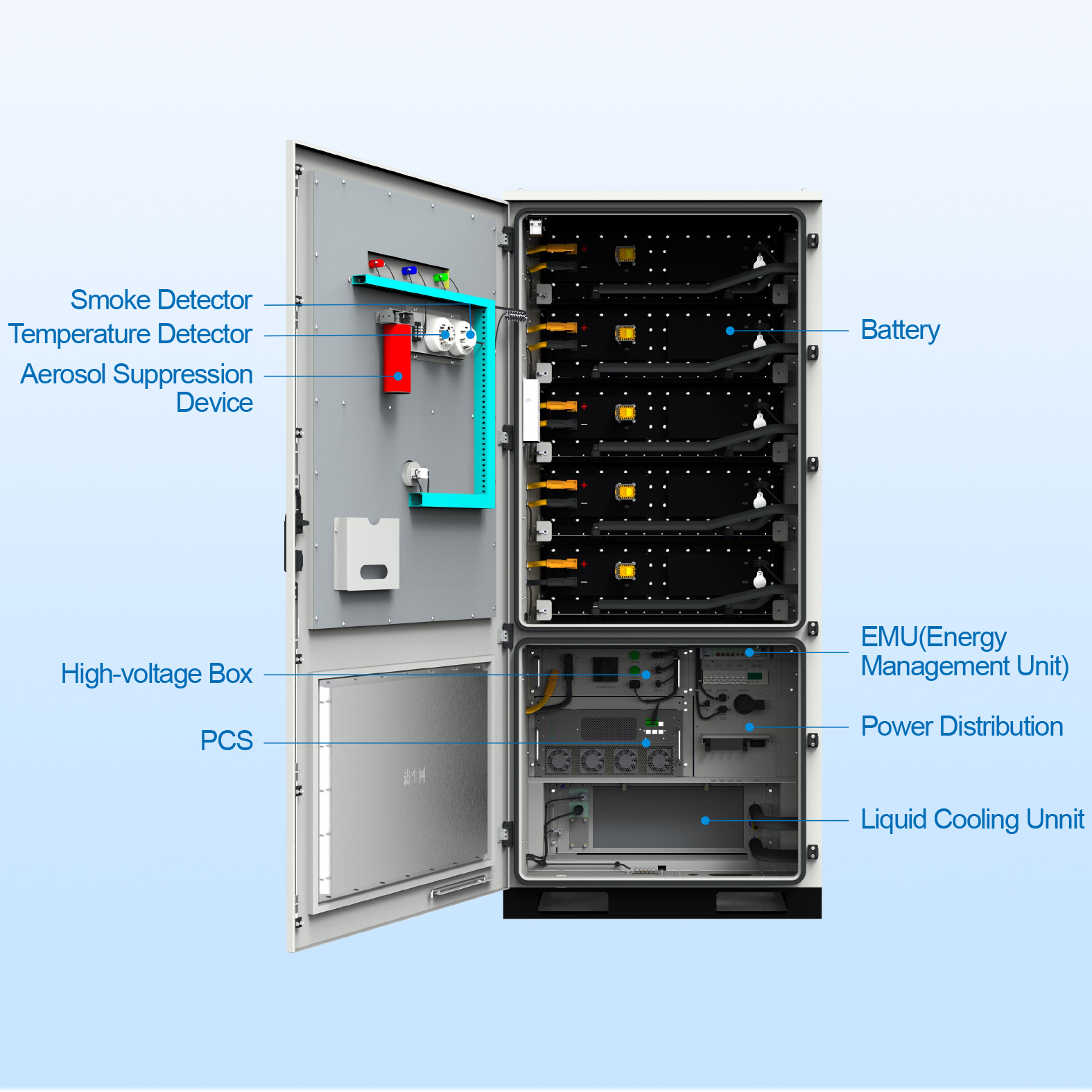
| Pack Configuration | 1P16S*15 | |
| Nominal Capacity | 215.04kWh | |
| Nominal Voltage | 768V | |
| Operating Voltage Range | 672~852V | |
| Max. Continuous Charge/Discharge Current | 140A | |
| Charge/Discharge Rate | 0.5C | |
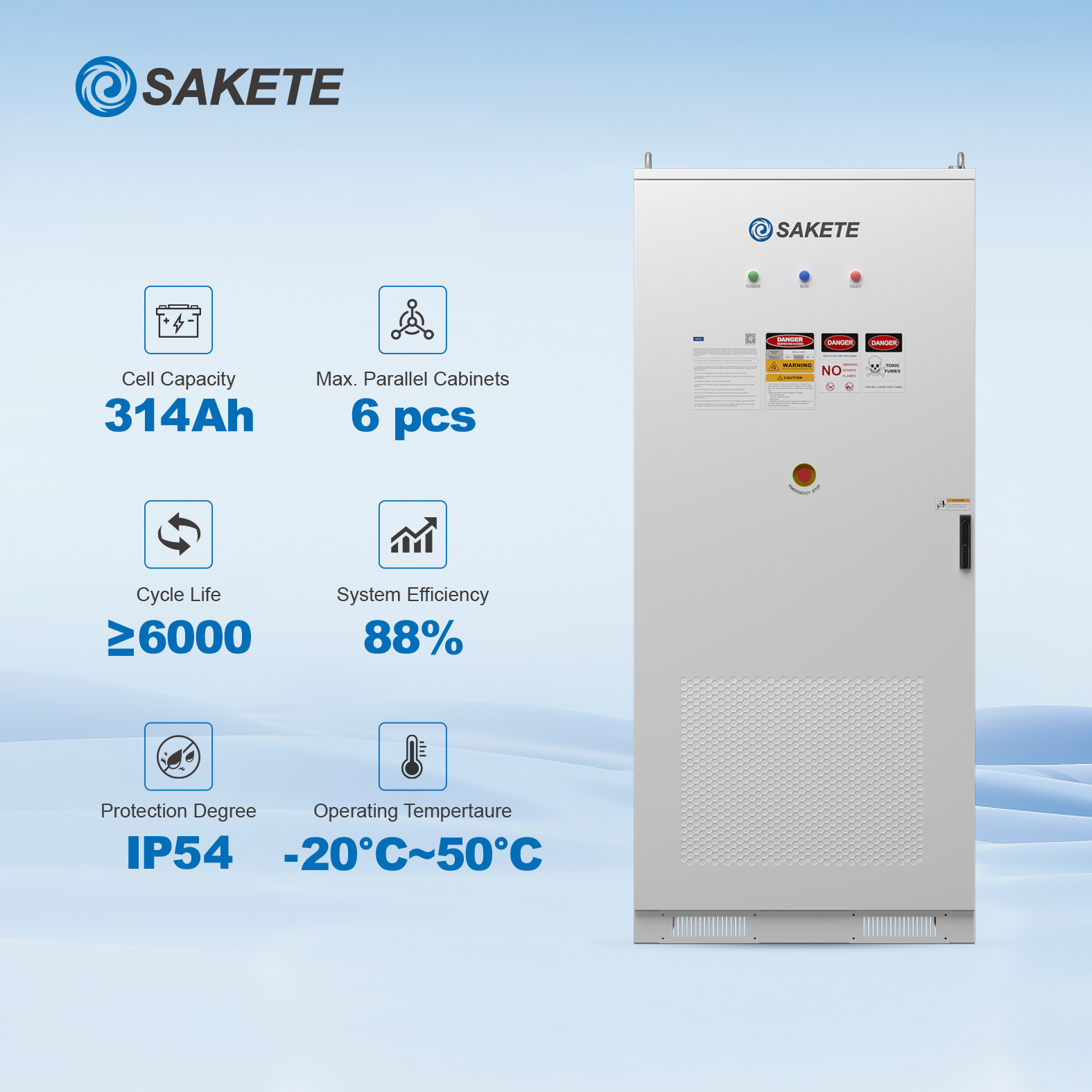
| Cycle Life | ≥ 6000 cycles / 5 Years (@25°C ±2°C, 0.5C/0.5C, 70% EOL) | |
| Standard Charge/Discharge Current | 140A | |
| AC Output Specifications | ||
| AC Side | Rated Charge / Discharge Power | 105kW |
| Max Charge/ Discharge Power | 115.5kW | |
| Maximum Overload Capacity | 110% Long-Term | |
| Rated Charge / Discharge Current | 152A | |
| Max Charge/ Discharge Current | 167A | |
| Rated Output/ Grid Voltage | 230V/400V | |
| Allowed Grid Voltage Range | 650~950±15% | |
| Allowed Grid Frequency | 50 /60Hz | |
| Voltage Harmonic Distortion | <3%@Linear Load | |
| Grid Type | (3W+PE) Three-phase three-wire / (3W+N+PE) Three-phase four-wire | |
| Power Factor | ≥0.99 -1 Leading ... 1 Lagging | |
| Cooling Method | Intelligent Air Cooling | |
| System General Parameters | ||
| System | Ingress Protection | IP54 |
| Anti-Corrosion Grade | C3 (C4 Optional) | |
| Max. System Efficiency | 88% | |
| Charge Operating Temperature | 0°C~45°C | |
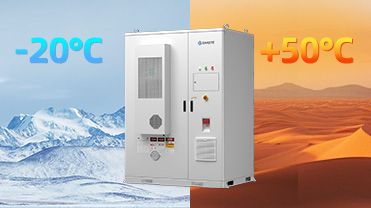
| Discharge Operating Temperature | -20°C~50°C | |
| Operating Temperature Range | -20°C~50°C | |
| Relative Humidity | 5%~85% (No Condensing) | |
| Max. Working Altitude | 4000m (>2000m derating) | |
| Communication | CAN/RS485/Ethernet | |
| Cooling | Air Cooling | |
| Dimension | 1630×1365x2250mm | |
| Net Weight | 2000Kg | |
| Max. Parallel | 6 pcs (off-grid) | |
| System Certification | IEC 61000 , IEC 62619 | |
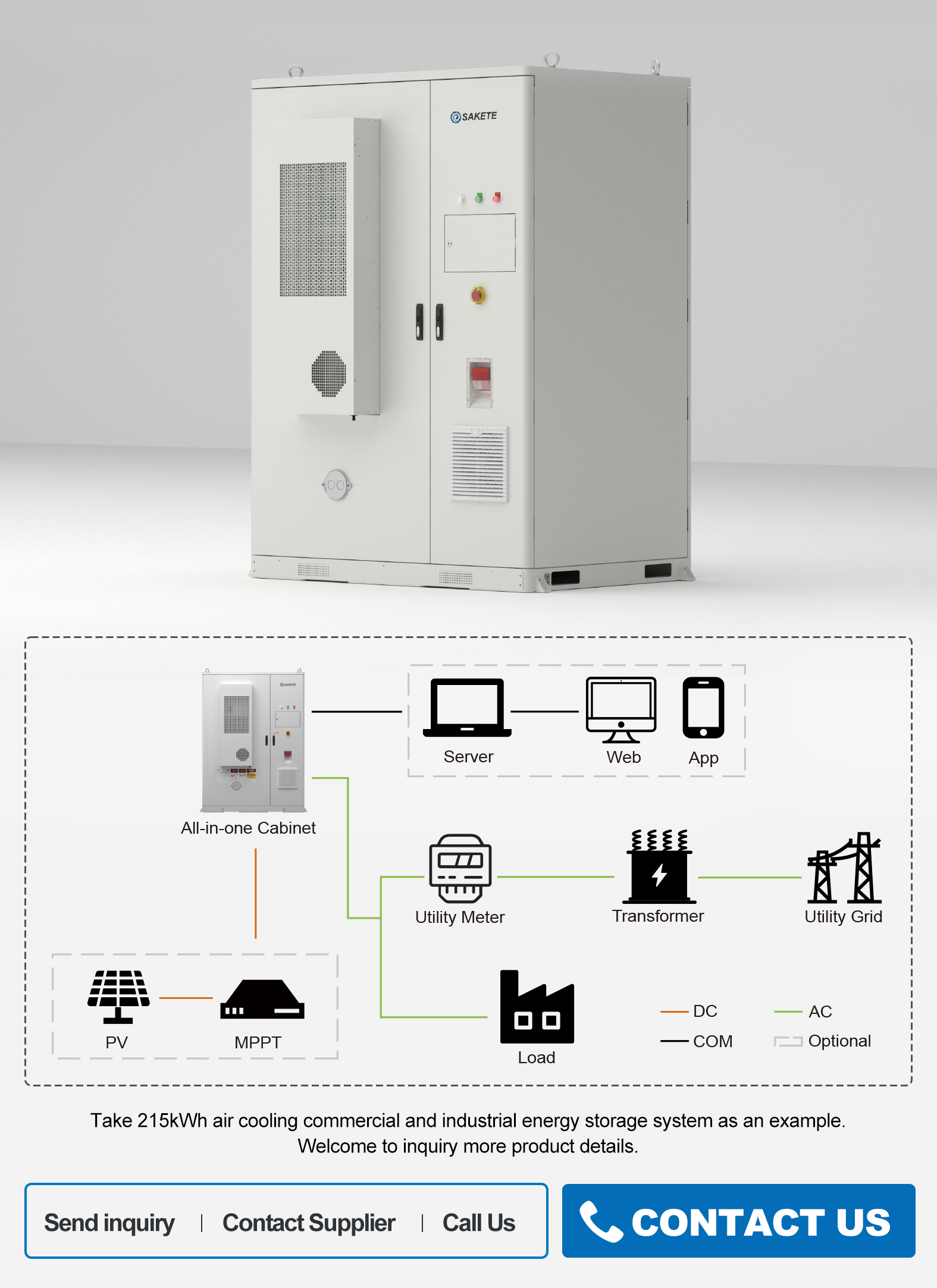
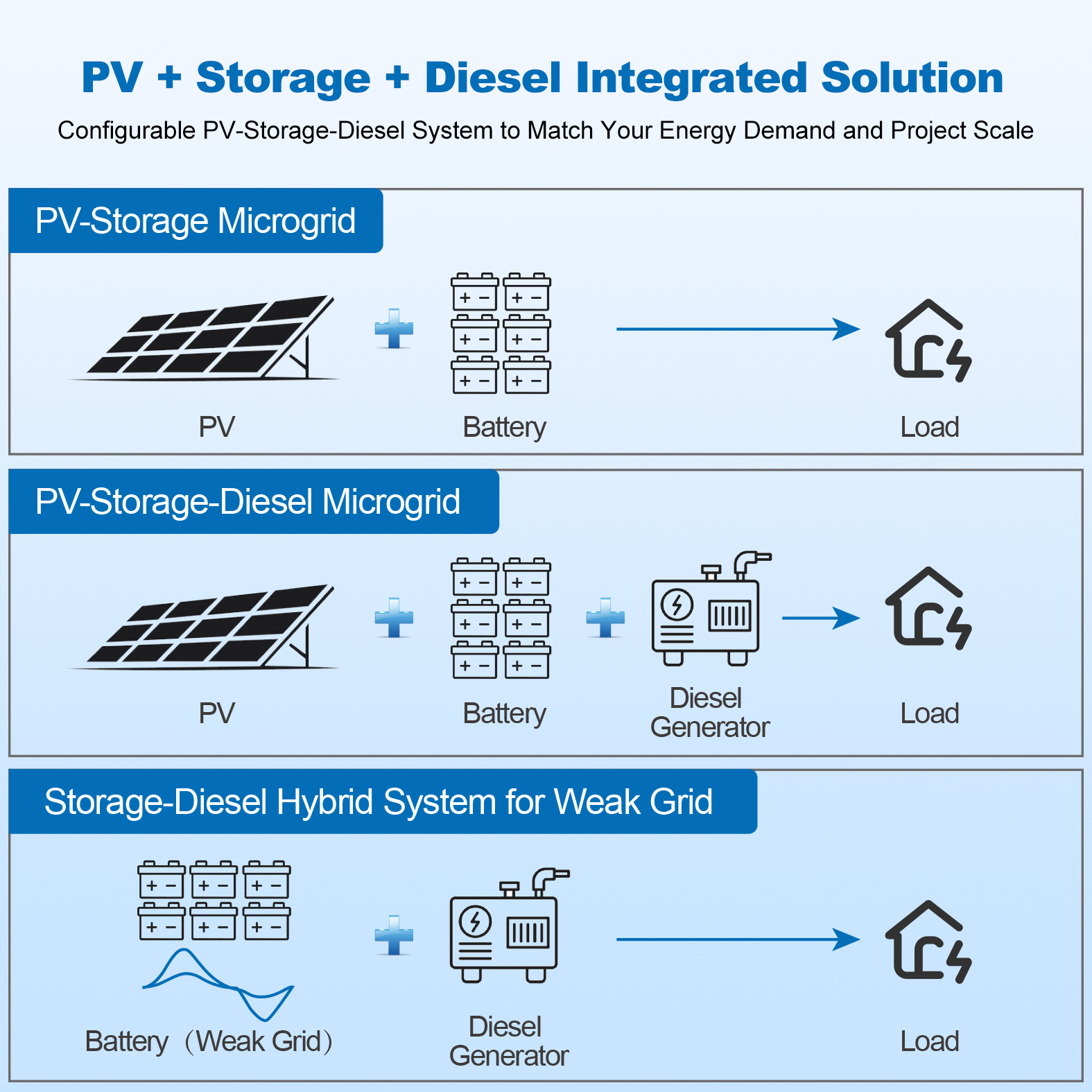
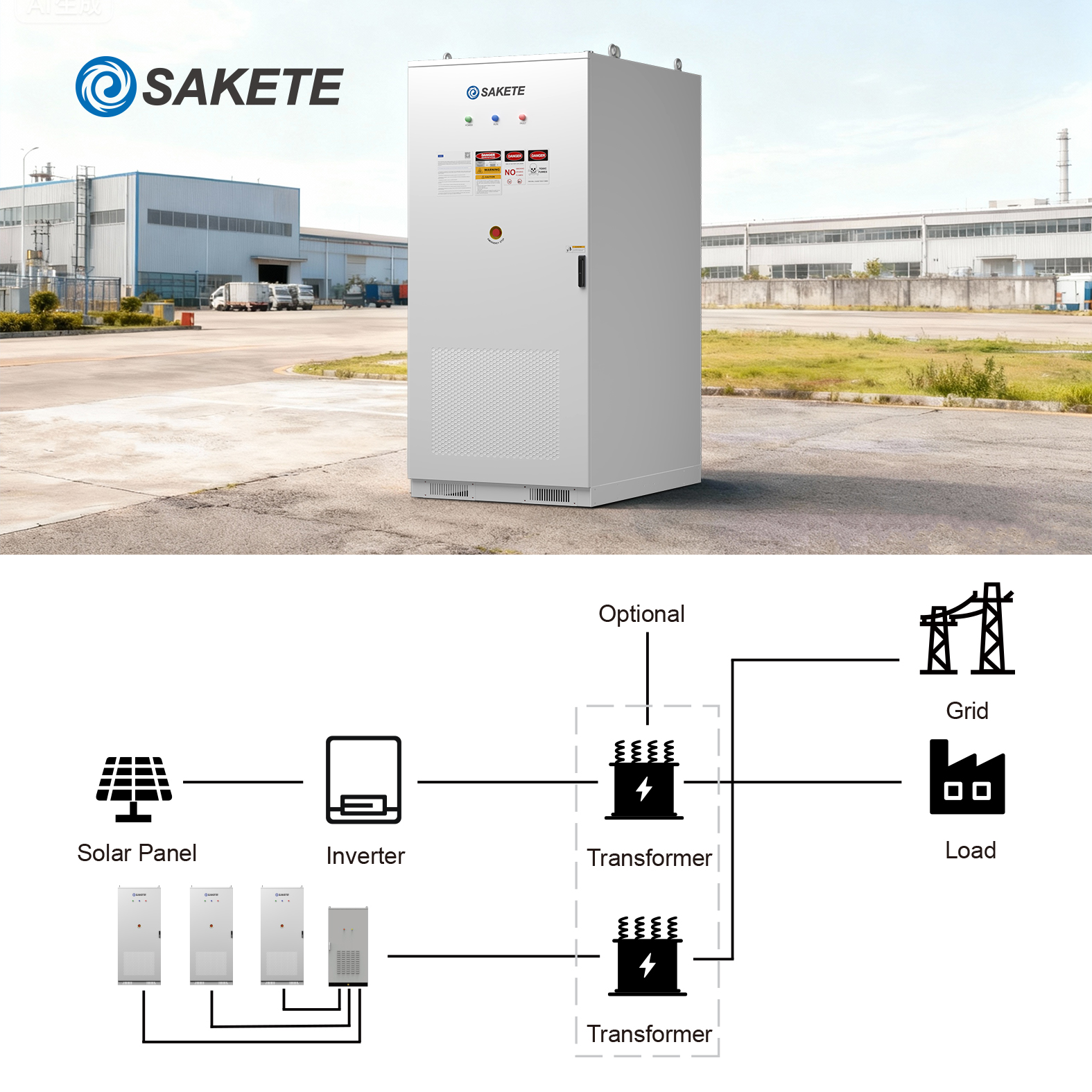
Operating Mode: Solar energy is prioritized for storage in batteries. Excess power supplies the load. When solar energy is insufficient, stored energy powers the load.
Application Scenarios: Addresses small-scale power supply needs in remote areas.
Application Value: Addressing electricity needs in remote areas and enhancing power usage efficiency.
Operating Mode: Photovoltaic energy is prioritized for storage in batteries, with surplus power supplying loads. When PV output is insufficient, stored energy first powers loads, and if insufficient, a diesel generator then supplies power to loads.
Application Scenarios: Addresses medium-scale power supply needs in remote areas such as islands, large villages, and factories in areas with weak electrical infrastructure.
Application Value: Solves the challenges of constructing grid-connected power facilities and high electrification costs in areas without electricity or with weak electrical infrastructure, providing continuous power supply.
Operating Mode: Energy storage enables rapid response to load power fluctuations, ensuring the diesel engine consistently operates at optimal efficiency.
Application Scenarios: Addresses power supply needs in areas with weak electrical infrastructure, such as construction sites, oil drilling rigs, and large villages.
Application Value: Maximizes diesel engine efficiency, reduces engine wear, lowers fuel costs, and rapidly accelerates return on investment.