Explore our elite tier of commercial energy storage systems and high-density deep cycle batteries engineered for ultimate reliability.
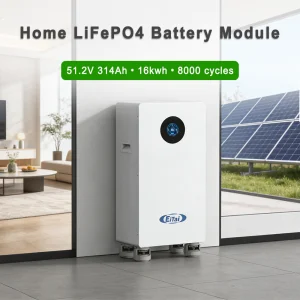
As the global market transitions from traditional energy paradigms to high-efficiency, zero-emission systems, the demand for lithium battery chemistry has risen exponentially. Consumer electronics, microgrids, telecom base stations, and electric mobility projects all require a delicate balance of safety, high energy density, thermal performance, and certification compliance.
Ningbo Volt Power Co., Ltd. stands at the forefront of this industrial transformation. As a leading manufacturer and exporter in China, we deliver high-performance lithium-ion (Li-ion) and Lithium Iron Phosphate (LiFePO4) battery architectures designed to withstand extreme environments while delivering optimal energy utilization.
“Modern battery integration requires more than raw capacity. True value lies in smart Battery Management Systems (BMS), structural safety, thermal management, and reliable global supply chain networks.”
For international buyers, sourcing from China presents major opportunities alongside unique compliance hurdles. Finding a reliable supplier with strong OEM/ODM capabilities, certified manufacturing pipelines, and localized technical support is key to project success. This whitepaper explains the current technology paths, macro applications, compliance frameworks, and manufacturing standards that position Volt Power as a premier manufacturing partner.
Decoupling battery chemistries: How material science influences safety, reliability, and lifecycle durability across high-demand applications.
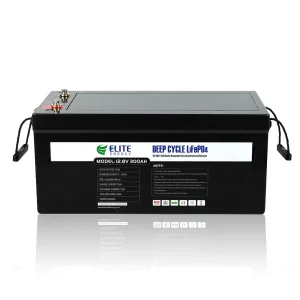
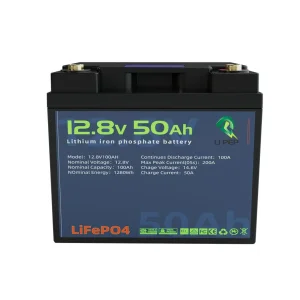
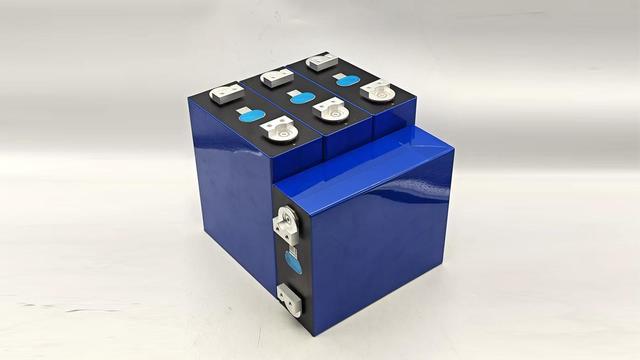
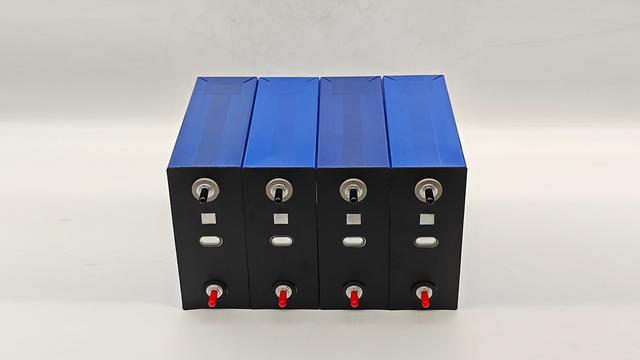
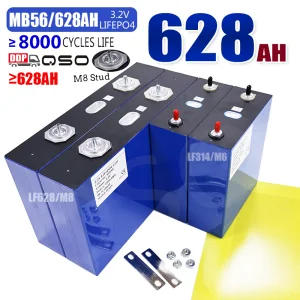
Highly stable thermal structure with a thermal runaway temperature threshold exceeding 270°C. Known for exceptionally low degradation rates, offering over 6000–8000 full charge-discharge cycles. Ideal for grid storage, RV caravans, marine crafts, and heavy industrial battery arrays.
Every Ningbo Volt Power pack features integrated active balancing circuitry. Monitors individual cell voltages, state-of-health (SoH), state-of-charge (SoC), and operates dynamic thermal cut-offs. Protects against overcurrent, overvoltage, short circuits, and localized thermal spikes.
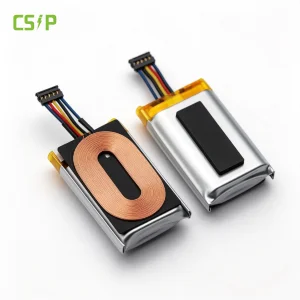
Specifically engineered for custom consumer electronics requiring high energy density and thin form factors. Offers customizable physical capacities ranging from 500mAh to 10000mAh, optimizing volumetric efficiency for portable devices, wearable tech, and specialized industrial tools.
Our research and development pipeline continues to optimize cell structure design. We focus on decreasing internal resistance through direct laser welding of tabs and high-precision mechanical assembly. In addition to premium energy density, our focus remains on structural shell engineering—featuring IP65 and IP67 weatherized enclosures designed to isolate vibration, drop impacts, and prevent internal moisture corrosion.
B2B energy solution procurement involves complex regulatory, logistics, and reliability factors. International buyers must navigate strict safety certifications, volatile global freight regulations for hazardous materials, and technical integration requirements.
Volt Power optimizes the international purchasing process by providing comprehensive engineering and shipping solutions:
Our production pipeline operates under ISO 9001 and ISO 14001 frameworks, with strict quality controls applied at every step:
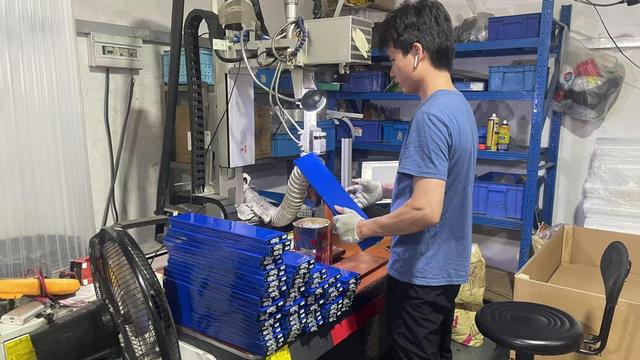
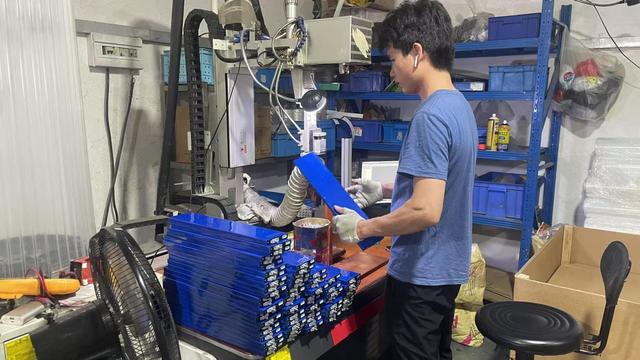
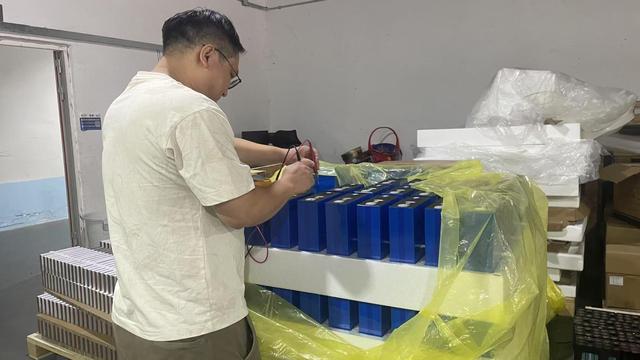
Our modern manufacturing facility covers material selection, cell integration, battery assembly, testing, and final quality control. By using automated assembly systems, we reduce human error, maintain uniform pressure distributions across cell stacks, and ensure precise contact resistances during welding.
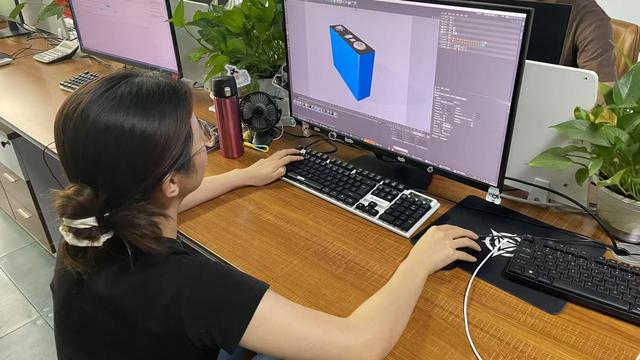
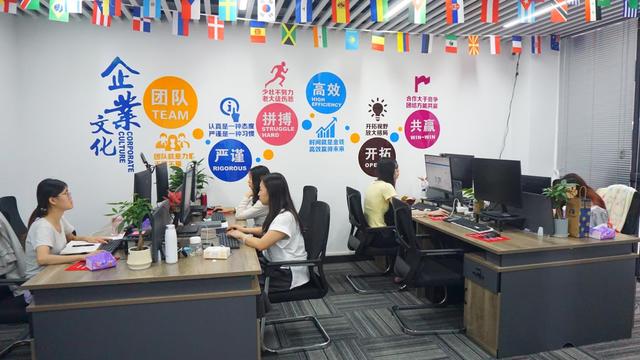
Our experienced engineering team continuously invests in battery management systems (BMS) and cell chemistry optimization. This dedication ensures that our customized OEM/ODM battery configurations meet the evolving demands of our clients across North America, Europe, Australia, and Asia.
Advanced Production Equipment & Facilities:
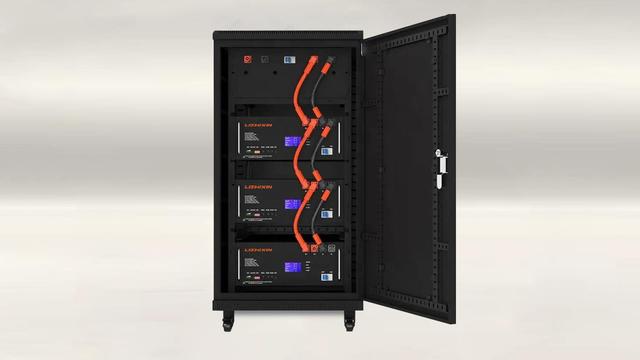
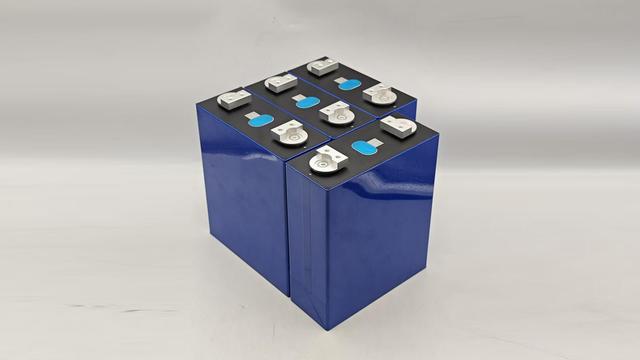
Providing customizable battery architectures for energy utilities, consumer electronics, and telecom infrastructure worldwide.
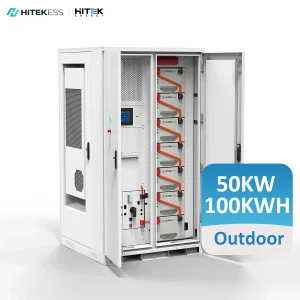
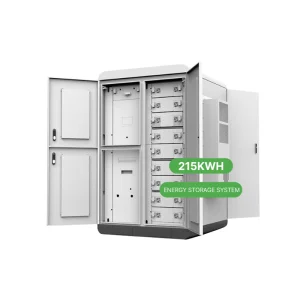
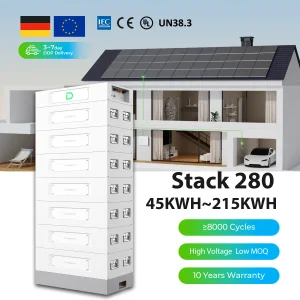
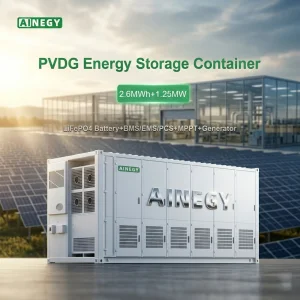
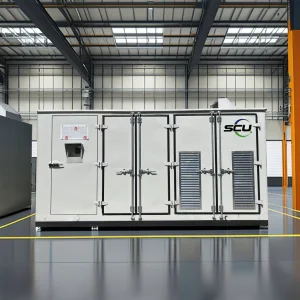
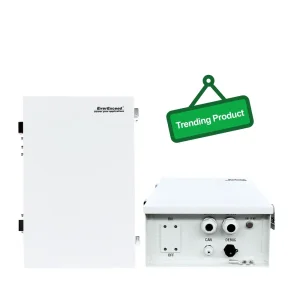
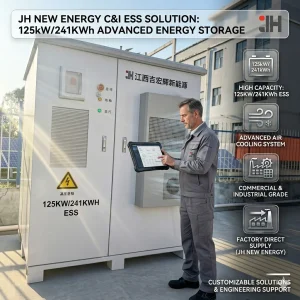
Helping organizations manage load shifting, peak demand reduction, and microgrid backup. Our modular containerized energy systems scale from 50kW to multiple megawatts, integrating seamlessly with hybrid solar arrays.
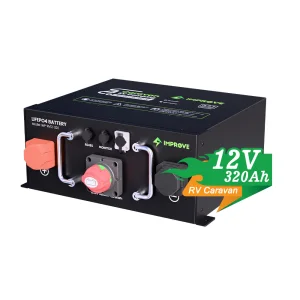
Engineered for caravans, marine vessels, AGVs, and golf carts. These batteries replace heavy lead-acid options, providing 4x the energy density and built-in LED displays to monitor real-time battery status.
Providing reliable backup power for telecommunication arrays in remote, harsh environments. Rated to IP65, these batteries support fast-charging and maintain stable voltages across temperature fluctuations.
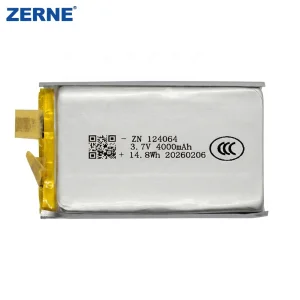
Premium components, pouch cells, and large-scale backup systems designed for international markets.
Answers to common engineering, logistics, and compliance questions from international battery buyers.
Our battery packs and cells carry relevant international certifications, including CE, UN38.3 (essential for shipping), MSDS, and select UL/IEC compliance options (like IEC 62619 for industrial applications and UL 1973/9540A for residential/commercial energy storage). We work closely with buyers to provide the specific certification documentation needed for their target markets.
Traditional passive balancing dissipates excess energy as heat, which can lead to thermal stress. Our active balancing system redistributes charge between cells during the charging process. This keeps all cells at a uniform state of charge, reducing localized capacity degradation and extending the overall pack life by up to 30%.
Lead times depend on the complexity of the design. Standard industrial configuration orders typically ship within 30 to 40 days of design approval. Highly customized engineering configurations requiring custom enclosure molds, proprietary BMS programming, or specialized certification compliance may require 60 to 90 days.
Our container solutions are pre-assembled and tested at the factory before shipping as standard shipping containers (e.g., 20ft or 40ft formats). Upon arrival, they are positioned on-site, connected to the local utility grid or solar inverter array, and commissioned by localized technical integration partners or guided by our remote engineering team.
 Volt Power