The global transition toward renewable energy has shifted from "alternative" to "imperative." As of 2024, the solar storage battery sector is no longer just an accessory to photovoltaic panels; it is the heart of the modern smart grid. According to IEA reports, the global installed capacity of Battery Energy Storage Systems (BESS) is projected to grow tenfold by 2030.
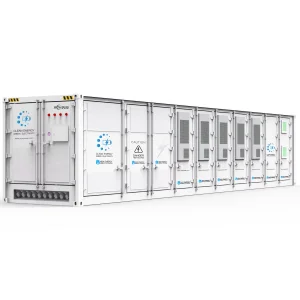
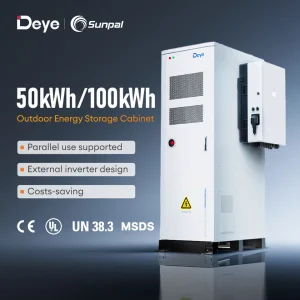
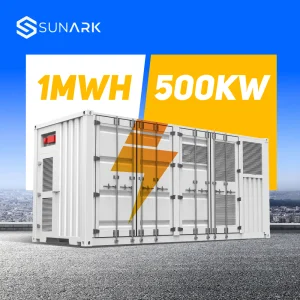
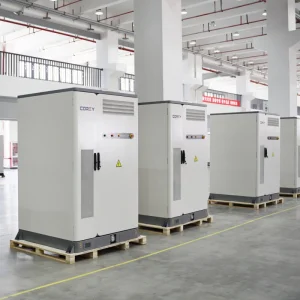
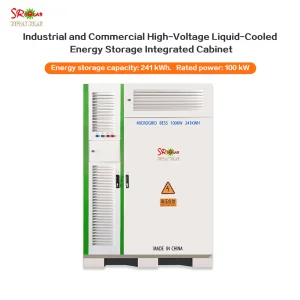
Industrial and commercial sectors are leading this charge. With the rising Levelized Cost of Electricity (LCOE) from traditional grids and the volatility of energy markets, manufacturers and large-scale facilities are turning to high-capacity lithium iron phosphate (LiFePO4) solutions. This shift is driven by the need for peak shaving, load shifting, and uninterrupted power supply (UPS) capabilities. In regions like Europe and North America, regulatory mandates for carbon neutrality are further accelerating the deployment of containerized ESS solutions, ranging from 1MWh to over 2.4MWh configurations.
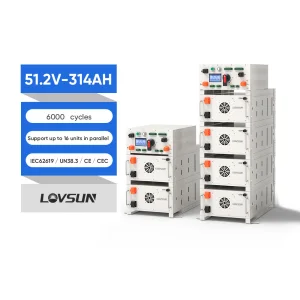
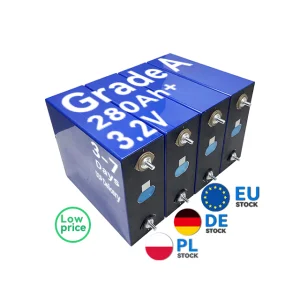
Lithium Iron Phosphate remains the "Gold Standard" for stationary storage due to its exceptional thermal stability and long cycle life. Future roadmaps indicate a move toward higher energy density within LFP cells, with some manufacturers like Ningbo Volt Power already integrating Class A 314Ah cells to maximize space efficiency.
While still in the early stages of industrial application, semi-solid-state batteries represent the next frontier. They promise to eliminate the risk of electrolyte leakage and fire hazards, making them ideal for high-density urban residential environments.
Modern BESS are becoming "intelligent." AI algorithms now predict cell degradation, optimize charging cycles based on weather forecasts, and enable Virtual Power Plant (VPP) participation, allowing battery owners to sell energy back to the grid during peak demand.
Ningbo Volt Power Co., Ltd. stands as a professional China lithium battery manufacturer at the intersection of innovation and industrial reliability. Specializing in energy storage systems, solar batteries, and advanced power solutions, the company serves residential, commercial, and industrial (C&I) sectors worldwide.
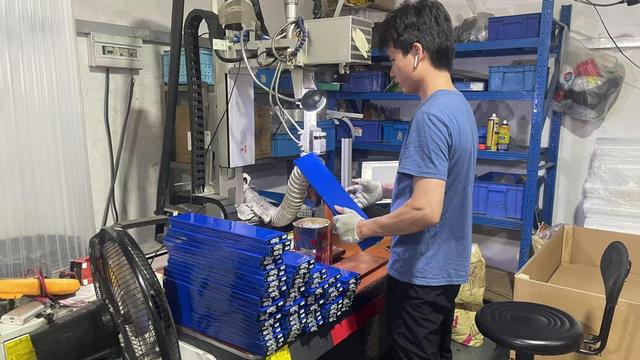
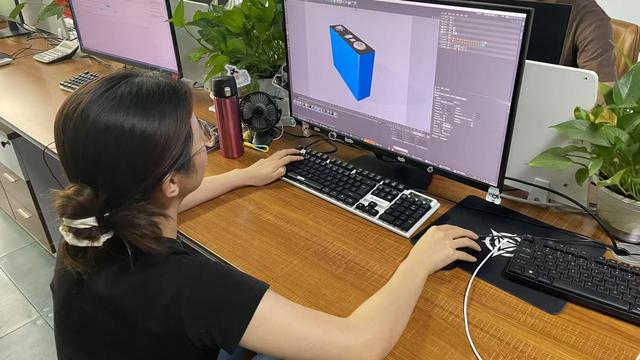
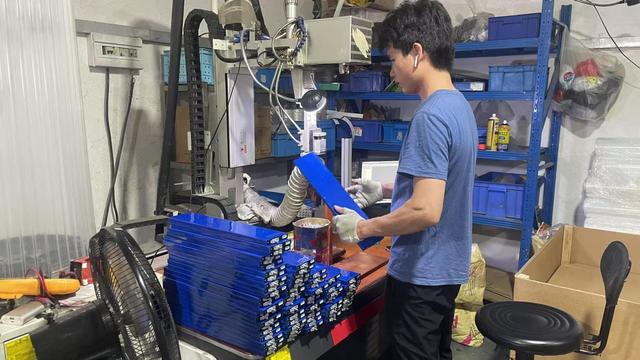
Their product portfolio is comprehensive, featuring lithium-ion batteries, lithium iron phosphate (LiFePO4) packs, and high-voltage systems. Designed to meet the growing demand for clean energy, these products are utilized in telecommunications, industrial facilities, and off-grid power systems. At Volt Power, the combination of advanced battery engineering and modern manufacturing ensures products with high energy density, long cycle life, and unparalleled safety performance.
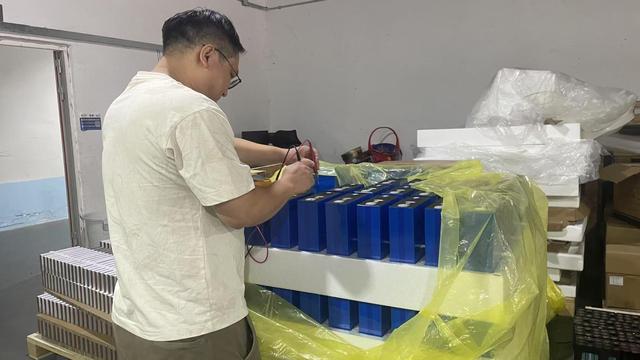
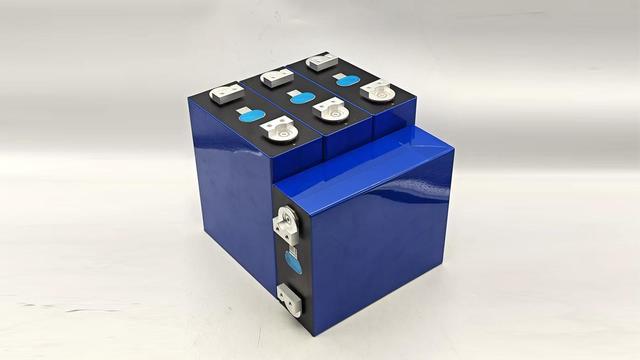
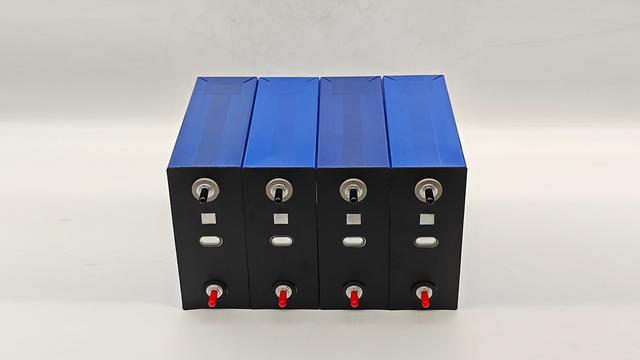

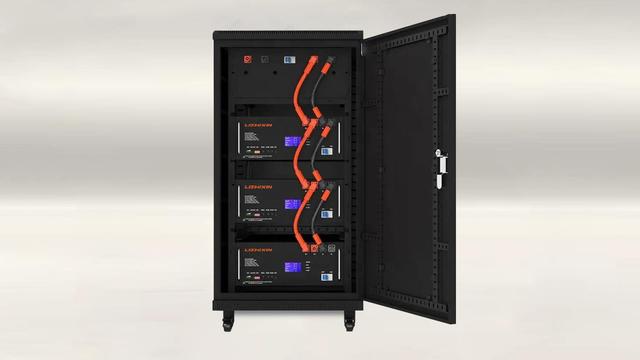
Quality and safety are the bedrock of their operations. The manufacturing facility operates under strict quality management protocols, covering everything from material selection to final high-demand condition testing. For companies seeking bespoke solutions, Volt Power offers robust OEM and ODM services, tailoring voltage, capacity, and performance to specific project needs.
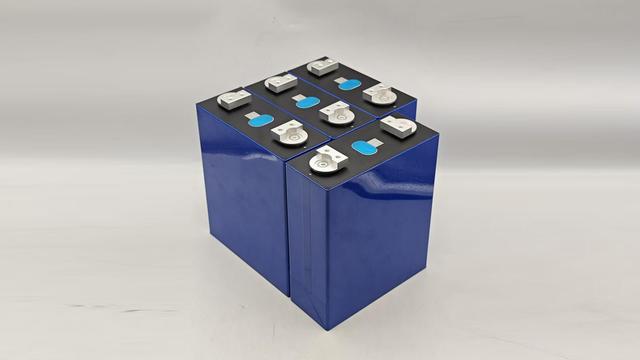
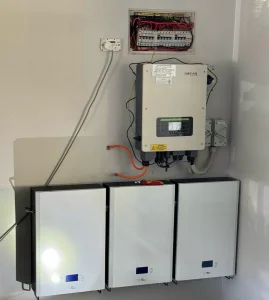
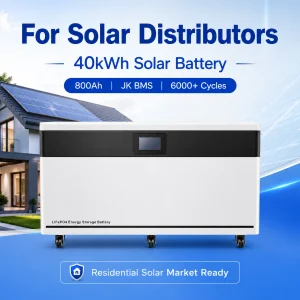
Focus on residential self-consumption and grid frequency regulation. Wall-mounted systems like the 10kwh LiFePO4 series are highly popular for home backup.
Emphasis on off-grid microgrids and industrial cooling. High-temperature resistance and rugged containerized BESS are critical for mining and remote communities.
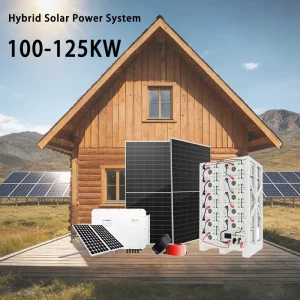
Addressing island power instability and industrial growth. Hybrid systems combining solar, storage, and diesel backup ensure 24/7 factory uptime.
True competitive advantage in the solar storage market comes from holistic solutions. Manufacturers are now becoming "Solution Providers."
 Volt Power